




















-
The 5-Minute Ski Warm Up Routine to do in your Hotel Room and get the best from your Ski Holiday
Feel Ready, Loose, and Confident Before You Even Step Outside

Get loose for skiing A short physical, and mental, ski warm up routine will make all the difference to those first turns on your ski holiday – whether you last skied last year or last week!
You’ve finally arrived in resort. The snow is perfect, the first lift is calling — and your body?
Still half asleep, slightly stiff from travel, and not entirely sure where its balance went.Most skiers step into their ski boots cold, tight, and under-caffeinated. But with just five minutes in your hotel/chalet room, you can completely transform how your first run feels and get more from your ski holiday!
This isn’t a workout.
It’s a simple ski warm up routine designed to wake up your muscles, sharpen your balance, and make you feel like a skier before you even zip up your jacket.🎿 Why a Ski Warm Up Matters
Skiing isn’t just about fitness — it’s a skill sport.
The first few runs of the day are when most people get hurt, mostly because cold muscles and sleepy reflexes can’t react quickly enough to snow conditions or other skiers.A quick pre-ski warm up supports:
-
Up to 50% lower injury risk
-
Improved balance and control
-
Instant confidence — that calm feeling of “I’ve got this”
Whether you’re staying in a ski chalet, hotel, or mountain apartment, these movements fit anywhere.
🧘♂️ Step 1: Wake Up Your Core (60 seconds)
You don’t need space — just stand beside your bed.
Moves:
-
Torso Twists – 10 each side
Why: Activates your core and improves upper–lower body separation for smoother turns. -
Arm Swings – 10 forward, 10 back
Why: Releases shoulder tension so your pole plants feel natural.
Mindset: Slow breathing, gentle movements. You’re waking up, not working out.
🦵 Step 2 – Activate Your Legs (2 Minutes)
Your legs are your suspension system. Get them responsive before you step outside.
Moves:
-
Mini Squats – 15 slow reps
Feel: Weight centred, knees tracking softly over toes. -
Lunges – 5 each side
Feel: A stretch through your hip flexors — especially needed after long flights or transfers. -
Heel Raises – 15 reps
Feel: Pressure through the ball of your foot, just like when balancing on skis.
Tip: Do this part barefoot to fire up your proprioception (body awareness).
🦶 Step 3 – Switch On Your Ankles & Balance (90 Seconds)
Stiff ankles equal clumsy skiing. Let’s change that.
Moves:
-
Ankle Circles – 5 each direction
-
Single-Leg Balance – 30 seconds each side
Variation: Close your eyes for the last 10 seconds to challenge your balance.
You’ll feel tiny micro-adjustments in your supporting leg — just like the adjustments you make on snow.
🧠 Step 4 – Visualise Your First Run (60 Seconds)
This is the secret the best skiers never skip.
Close your eyes and imagine:
-
The sound of your skis on the snow
-
Your weight shifting smoothly edge to edge
-
Yourself skiing relaxed, fluid and confident
Mental rehearsal boosts performance and control by up to 15% — ideal before a big ski holiday day.
☕ Step 5 – Bonus Hotel Room Mobility While the Kettle Boils
-
These small habits loosen everything up:
-
10 gentle hip circles
-
10 slow toe touches
-
A light march in place while waiting for your coffee
It’s not a “session.” It’s intentional movement — and your body loves it.
-
❄️ The Payoff: Start Your Ski Day Ready, Warm and Confident
By the time you reach the lift:
-
Your muscles are warm
-
Your balance reflexes are awake
-
Your mind is focused
This means your first run feels smooth and enjoyable — not stiff or survival-mode.
Perfect if you’re gearing up for a ski holiday, staying in ski chalets, or preparing for a week of mountain adventure.
🧠 Ski Warm Up Benefits at a Glance
-
Injury risk reduction: up to 50%
-
Improved control and coordination: around 10–12%
-
Performance boost from visualisation: up to 15%
-
Time required: under 5 minutes
🏔️ The Takeaway
You don’t need a gym, special kit, or a long stretching session.
Just five focused minutes before breakfast can completely change how you ski.The best skiers warm up before the first run — not after the first fall.
Start small, start early, and your body will thank you all week.There’s a lot more tips and pre-ski warm up routines on Youtube – check them out. Here’s a good one from The Warren Smith Ski Academy!
If you’re wondering how to incorporate ski fitness into your working day, check out Train Like a Skier on your Commute
-
-
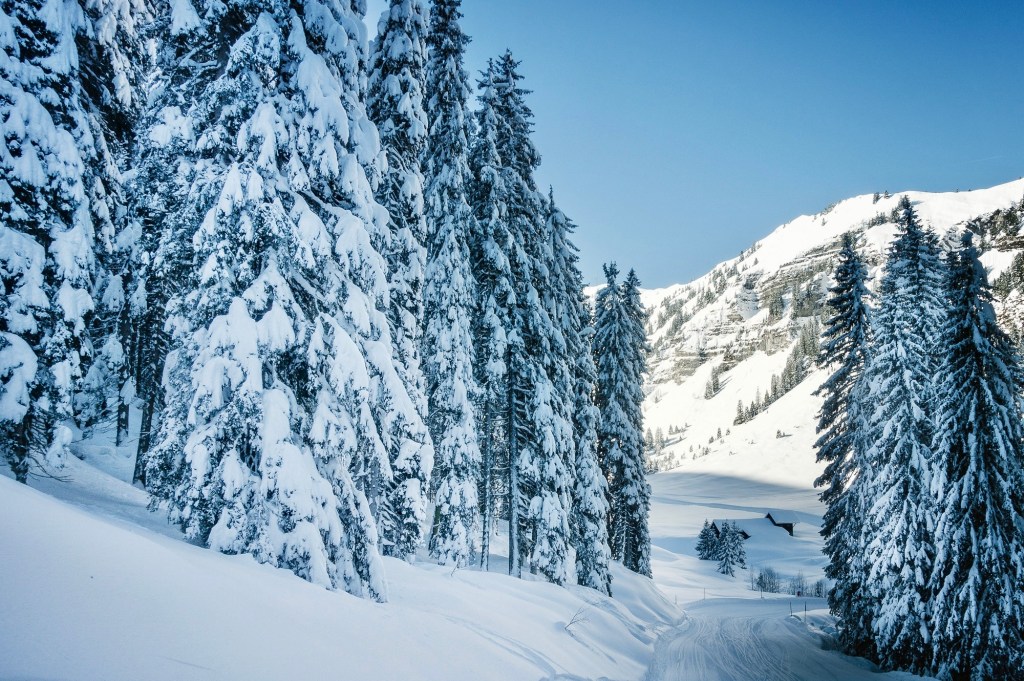
Lots of Fresh Snow in the Alps — And More Is On The Way
Winter has arrived properly in the Alps. A series of heavy snowfalls has transformed the mountains over the last few days, and with more forecast in the next 48 hours, conditions are shaping up for excellent early-season skiing. Resorts across the region are reporting excellent coverage on upper slopes — great news for anyone planning ski holidays or looking at mountain accommodation for the coming weeks.
Where the Snow Has Landed
Snowfall has been particularly strong across high-altitude areas. Tignes and Val Thorens opened up on 22nd November to perfect conditions! Many resorts are now looking at a strong early-season base. Lower elevations have also seen snow, with snow down to the valleys even at Geneva airport over last weekend.
What This Means for Early Ski Holidays
This new snowfall brings several benefits for skiers and snowboarders:
-
A stable, early-season snow base that will improve piste quality.
-
Better conditions for ski schools, families, beginners and intermediate skiers.
-
High-altitude resorts will have great opening conditions, and some resorts are even hoping to open early.
If you’re considering a pre-Christmas ski holiday or looking to book a last minute break, this weather is exactly what you want to see.
More Snow on the Way
Forecasts indicate another active system moving through the Alps in the next two days. This could deliver a further substantial top-up — especially on north-facing slopes — reinforcing the excellent conditions. If temperatures remain cold, this new snow will settle well and set up a promising launch for the 2025/26 ski season. For an in-depth round up of snow and weather, check out the latest bulletin on WeathertoSki.co.uk
A Great Time to Plan Your Trip
Snow always drives demand, and with availability still good across many resorts, now is a strong moment to look at ski chalets, apartments, and other mountain accommodation options. Some of our wonderful Chalets Direct members are already reporting an uptick in enquiries as the early-season outlook improves.
Whether you’re planning a quick weekend, a family Christmas trip, or a longer holiday in January, the latest snowfall is a clear sign: winter has arrived in the French Alps — and it’s definitely time to get planning.
-
-
Ski Confidence Tips: Tame Your Tigers Before You Hit the Slopes
Skiing is one of the most exhilarating sports on the planet—but it also brings its fair share of nerves. Whether you’re a beginner facing your first blue run or a seasoned skier wanting to push into steeper terrain, confidence is often the difference between a shaky descent and an unforgettable day in the mountains.

Jim Lawless – https://jimlawless.com/ To help skiers build real, lasting confidence, we’re borrowing wisdom from Jim Lawless, author of Taming Tigers, the powerful mindset framework that helps people challenge fear, move through discomfort, and achieve meaningful goals. Because the truth is simple:
If you can tame your tigers off the slopes, you’ll ski with far more confidence on them.
What “Taming Tigers” Means for Skiers
In Taming Tigers, Jim Lawless talks about the “tigers” that hold us back—fear, self-doubt, limiting beliefs, and the voice that tells us “don’t” when we want to say “let’s go.”
For skiers, these tigers often sound like:
-
“What if I fall?”
-
“Everyone else is better than me.”
-
“I’m too old / too unfit / too inexperienced.”
-
“I can’t ski that slope.”
By recognising these thoughts not as truths, but as tigers to tame, you will allow your mind to compartmentalise these thoughts giving you the mental freedom to build confidence, capability, and enjoyment.
1. Start Off the Slopes: Build the Mindset
Taming Tigers Rule #4 is “Act Boldly Today”—don’t wait until you feel confident. Build confidence by taking intentional, manageable action.
Off-the-slope mindset work includes:
Rewriting your inner script:
Replace fear-led automatic thoughts with constructive ones such as;
-
“I can do this at my pace.”
-
“Every run builds my skill.”
-
“Falling is part of progress.”
- “Feeling nervous is good. I am alert”
This is the psychological equivalent of tuning your skis—smooth, responsive, and ready.
Visualising success:
Elite athletes do this constantly. Visualise yourself skiing smoothly, controlling your turns, breathing calmly.
Your brain doesn’t distinguish mental rehearsal from real practice.2. Build Physical Confidence Before You Travel
Physical confidence feeds mental confidence. Even small improvements can make you feel more capable on snow. You will trust yourself more.
Try simple off-slope training:
-
Balance exercises: standing on one leg, wobble board and bosu work.
-
Core strength: planks, dead bugs, rotations.
-
Leg conditioning: squats, lunges, step-ups.
-
Mobility: hips, ankles, thoracic spine.
You don’t need an athlete’s programme—you just need to feel ready.
This is where taming the “I’m not strong enough” tiger becomes transformative.
Check out our ski fitness tips.3. Break Big Tigers Into Small, Manageable Cubs
Jim Lawless is clear: you don’t defeat tigers in one leap—you tame them step by step.
Apply this on snow:
-
Instead of “I must ski the whole red run,” start with mastering one section turn by turn.
-
Instead of “I need perfect parallel turns,” focus on the process of feeling balanced in each turn.
-
Instead of trying to keep up with your group, ski at your pace. Experiment with singing to yourself!
Small wins accumulate quickly. Before you know it, you’re skiing terrain that once felt impossible.
4. Choose the Right Environment (and People)
Your skiing environment matters enormously. A calm, supportive atmosphere can dramatically accelerate confidence.
Warm up your muscles and fire up central nervous system before the first turns – .
Look for:
-
Quiet slopes at the beginning or end of the day
-
Beginner-friendly areas with wide blue runs
-
Easy access to lifts so the day starts smoothly
-
Instructors who understand mindset as much as technique
Travelling with the right friends or family helps too—people who build you up, not pressure you.
5. Work With a Coach or Instructor Who Gets It
The best ski instructors aren’t just teaching technique—they teach confidence.
A good instructor will:
-
Help you breathe and relax
-
Break skills down into manageable steps
-
Support you in taming your personal tigers
-
Celebrate progress, not perfection
If you can, book a private lesson early in your holiday. It sets the tone for the entire week.
6. Celebrate Courage, Not Perfection
Jim Lawless says that “taming a tiger” is any act where you move through fear toward growth.
So:-
If you skied a steeper section today → that’s a tiger tamed.
-
If you took a lesson after years away → tiger tamed.
-
If you put your skis back on after a wobble → tiger MASSACRED.
Confidence grows not from being perfect but from showing up.
7. Build a Confidence Ritual Before Each Run
A strong ritual quiets tigers instantly. Try:
-
One deep breath
-
Feeling the ski through the sole of your foot.
-
Activate your ankles, knees and hips.
-
Two positive thoughts
-
Visualise the first three turns
This takes 10 seconds and can change your entire descent. Don’t self judge, just trust the process.
8. Remember: Confidence Is a Skill, Not a Personality Trait
No one is born a confident skier—not even the experts.
Confidence is built through:
-
repetition
-
reflection
-
support
-
learning
-
and above all, the willingness to tame those tigers—again and again.
If you commit to the process, your confidence will grow every single day you’re on snow.
Final Thoughts: The Mountain Rewards the Brave

Ski with Confidence You don’t have to ski fast, stylishly, or flawlessly to enjoy your holiday.
You only need to show up with willingness, curiosity, and a few tigers ready to be tamed.When you practise confidence off the slopes—mentally, physically, and emotionally—you arrive on the mountain ready to ski with more freedom, control, and joy.
If you want a ski holiday where you can build confidence at your own pace, explore our collection of ski chalets and mountain accommodation—perfect for relaxed days, supportive environments, and skiing your way.
-
-
Ski Holidays with Heart – The Chalets Direct Difference
In a world of algorithms and automated bookings, it’s easy to forget what travel is really about — people. And when it comes to planning unforgettable ski holidays, real human expertise makes all the difference.
At Chalets Direct, we’ve been helping skiers and snowboarders connect directly with mountain hosts and local experts since 1999. From the start, we set out to do things differently from the big booking platforms — because the best ski holidays begin with genuine connections, not automated systems.
🏠 Built by Skiers, for Skiers
Chalets Direct was founded — and is still run — by passionate mountain lovers with decades of experience across the ski industry. From ski instruction and tour operations to property management and resort life, our founders have lived every side of the mountain experience.
That deep, insider knowledge shaped Chalets Direct into something unique:
a platform where ski chalets and mountain accommodation are presented with honesty, expertise, and a focus on community rather than automation.🤝 A Community Behind Every Chalet and Mountain Stay
We don’t think of our property owners as “advertisers.”
We call them members — because they’re part of a thriving community of independents offering some of the most characterful ski chalets and mountain stays across the Alps.These are people who know when the snow is best on the upper slopes, where to find the perfect fondue, and how to welcome guests after a long day on the mountain.
For you, that means something real: a direct link to the people who care most about your ski holiday experience.
💬 The Solutions Room — Your Path to the Right Mountain Accommodation
Want to plan your ski trip without endless searching and comparing?
Try the Solutions Room — where you describe your ideal ski holiday, and real people who know and love the resorts respond with tailored ideas and offers.It’s like having a team of local experts helping you plan your trip — quickly, personally, and with true mountain know-how.
🌍 Ski Holidays With Heart — Find Chalets and Stays that Matter
A great ski trip should feel personal, not processed. Whether you’re searching for family-friendly chalets, self-catered apartments, or luxury mountain accommodation, Chalets Direct helps you connect directly with the people behind the properties.
Because the true magic of ski holidays isn’t just in the snow.
It’s in the people who live in the mountains, the stories they share, and the memories they help create.❄️ Join the Chalets Direct Community
👉 Plan your next ski holiday in the Solutions Room.
👉 Discover ski chalets and mountain accommodation from independent ski companies across the Alps on Chalets Direct.Just some of our experts!
-
Don’t Hit the Slopes Without Tuned Skis: Here’s why…
The Importance of Skiing on Well-Tuned Skis

© GoranJakus | Dreamstime.com Understanding the Tuning Process — and How It Transforms Performance, Safety, and Feel
This weekend sees the first slalom races of the FIS Ski World Cup in Levi, Finland. Mikaela Shiffrin will be hoping to bring home her 102nd World Cup victory. In the men’s event on Sunday, there are four British competitors – Dave Ryding, Laurie Taylor, Billy Major and making his debut, Luca Carrick-Smith. Conditions are likely to be bullet-proof ice.
When you watch great skiers their skiing looks effortless. They carve cleanly, release smoothly, and seem glued to the snow yet free to flow.
What many recreational skiers don’t realise is that a big part of that magic doesn’t just come from the skier — it comes from the tuning.
Tuning is the invisible art that transforms a ski from an unwieldy plank into a precise, responsive instrument.
Let’s look at what ski tuning really involves, and how each step changes how your skis perform and feel under your feet.🔧 1. Base Flattening — The Foundation of Predictability
What it is:
Over time, the base of a ski becomes uneven from wear, pressure, or stone damage. Flattening involves lightly grinding the ski base to ensure it’s perfectly flat and smooth.Why it matters:
A flat base ensures even edge engagement — both edges contact the snow equally.
If one side is higher or lower, your ski will wander or hook unpredictably.How it feels on snow:
✅ Predictable tracking
✅ Smooth glide
✅ Stable platform underfootA ski that’s base-flat gives you that “on rails” feeling when carving.
🧊 2. Base Edge Bevel — The Art of Release
What it is:
Technicians slightly bevel (angle) the edge that runs along the ski base, typically 0.5° to 1°.Why it matters:
Without this, skis would feel grabby and hard to release from a turn.
That small bevel helps the ski roll onto the edge smoothly, giving the skier control over when and how grip begins.How it feels on snow:
✅ Smooth edge engagement
✅ Easier turn initiation
✅ Confidence in variable snowIf your skis feel “catchy,” your base bevel is likely too small or inconsistent.
⚙️ 3. Side Edge Sharpening — The Engine of Grip
What it is:
The side of the ski edge is sharpened to a specific angle — often between 88° and 86° depending on preference and terrain.Why it matters:
This is what gives your ski bite on hardpack and ice.
Sharper side edges cut cleanly into snow, allowing precise carving and better control on steeps.How it feels on snow:
✅ Secure grip on ice and firm snow
✅ More power with less effort
✅ Stable, confident carvingWhen the side edges go dull, your ski starts to slide when you want it to hold — the most common cause of defensive, back-seat skiing.
🪶 4. Detuning Tips and Tails — The Secret of Smoothness
What it is:
After sharpening, the tips and tails are lightly dulled (detuned).Why it matters:
This prevents the ski from catching at the start or end of turns.
It lets the ski flow naturally through transition instead of grabbing.How it feels on snow:
✅ Easier turn entry and exit
✅ No sudden edge catches
✅ Fluid, rhythmic skiingOver-detuning, however, can make a ski feel vague — so precision matters.
🩶 5. Base Structure — The Glide Factor
What it is:
After flattening, a subtle pattern is cut into the base. This structure helps channel water away as you glide, much like tire treads.Why it matters:
Different patterns work better in different temperatures and snow conditions — fine for cold, coarse for wet.How it feels on snow:
✅ Faster glide
✅ Smoother feel at speed
✅ Consistent performance in all conditionsIt’s the difference between dragging and flying.
🕯️ 6. Waxing — The Final Polish
What it is:
Wax is ironed into the base and then scraped and brushed smooth.
The wax fills micro-pores in the base, reducing friction.Why it matters:
It’s not just about speed — waxing protects the base and keeps the ski lively.
A dry, unwaxed ski feels sticky and slow.How it feels on snow:
✅ Effortless glide
✅ Quieter ski/snow contact
✅ Easier transitions between turns🧭 7. Binding Check — The Safety Connection
What it is:
Bindings are checked for correct release settings (DIN), boot compatibility, and mounting security.Why it matters:
Even the best-tuned ski is useless if the binding doesn’t release properly.
It’s part of the FIS Safety Code’s core principle: equipment must function correctly to reduce injury risk.🏁 The Result: Tuned Skis = Safe, Accurate Skiing (SAS)
When every element of tuning is done properly, your skis communicate directly with the snow.
You feel confident, smooth, and in control. The ski becomes an extension of your body — not something you’re fighting against.Tuned skis:
-
Track predictably
-
Grip when you ask
-
Release when you want
-
Glide effortlessly
They let you ski accurately — and accuracy is what keeps skiing both safe and enjoyable.

Living on the edge 🧠 SAS Takeaway
-
Make sure your skis are tuned regularly.
-
Keep your edges sharp and bases waxed.
-
Understand what your edges and base are telling you.
Skiing on tuned skis isn’t just faster — it’s safer, smoother, and infinitely more satisfying.
Safe Accurate Skiing starts at the edge. -
-
Lindsey Vonn’s Comeback – Winter Olympics 2026
Lindsey Vonn’s Comeback — An Inspiration for Every Skier
When Lindsey Vonn announced her intention to return to competition last year, the ski world collectively raised an eyebrow. Last winter had ups and downs for her, but she ultimately found her way to second place in the super-G race at the Stifel Sun Valley World Cup Finals in Sun Valley, Idaho, on March 23, 2025.
Now, at 41 years old, Vonn has worked exceptionally hard on and off the snow and has gained 12 pounds of muscle. She has proved the naysayers wrong who dismissed her because of her age and partial knee replacement. She is looking fitter and stronger than ever. Her passion for performance is as deep as it was in her 20’s. She will be competing for the USA, once again, in the 2026 Winter Olympics, in the Super-G, Downhill and team combined events taking place in Cortina d’Ampezzo next February.
It’s not just a comeback story — it’s a reminder that skiing can be a lifelong pursuit and source of joy.
🏔️ A New Definition of “Peak”
In sport, we often talk about peaking early. But Vonn’s story flips that idea. She’s showing that “peak” can be redefined — not as a single moment, but as a series of evolutions.
Skiing rewards knowledge, not just youth. Years on the snow teach balance, body awareness, and the art of timing — qualities that need not fade with age.

Dave Ryding Just take a look at Britain’s Dave Ryding – a skier whose skill and precision has always been admired, and who will be competing in slalom at age 38. This will be his 5th Olympic Games.
At Chalets Direct, every winter, we see guests in their 40s, 50s, 60s and beyond, skiing beautifully, often better than ever. Why? Because experience, fitness, and good technique can last a lifetime.
💪 Stronger, Smarter, Safer
Lindsey’s physical transformation — adding muscle, training with precision, focusing on recovery — mirrors a truth all skiers can embrace:
The stronger and more accurate you ski, the longer you can ski.
That’s the core idea behind Safe Accurate Skiing (SAS) — a movement that values technique, control, and understanding over reckless speed.
Watching Vonn carve at full power reminds us that great skiing isn’t about pushing limits blindly — it’s about mastering your craft and respecting the mountain.Explore more about SAS and how elite skiers like Paul Lorenz, Harald Harb, Nina Gigele, and Tom Gellie champion the same principles in their teaching and skiing.
Read more about Safe Accurate Skiing →🎿 Skiing Is a Lifelong Sport
Vonn’s comeback isn’t just for prime athletes — it’s for all of us who love practising wintersports.
Maybe you’ve thought:
- “I’m not as fit as I used to be.”
- “My turns aren’t as smooth as they once were.”
- “Maybe my best ski days are behind me.”
Her story says the opposite: your best skiing could still be ahead.
With the right approach — smart training, proper instruction, and respect for safety — you can keep improving, season after season.If that idea excites you, start planning now.
Find a resort where you can train, recharge, and rediscover your rhythm.Find your perfect base with Chalets Direct →
🌍 Where Inspiration Meets Adventure
Across the Alps, we’ve seen a quiet trend building: people booking training-focused ski weeks, not just holidays.
There are more and more ski schools which offer something more than the “traditional” ski school options – such as smaller group sizes and clinics focusing on specific areas of technique. Take a look at the options available with TDCSki, Warren Smith Ski Academy and BASS – to name just a few. If you run ski coaching courses that are appropriate please let us know.Vonn (and Ryding) prove that with the right approach you can ski better and for longer.
It’s a natural fit for this new era — inspired by athletes like Lindsey Vonn, guided by technique, and powered by passion.
💬 Your Turn
How has skiing changed for you over the years?
Do you feel stronger, more aware, more connected to the sport than before? Let us know in the comments.Chalets Direct
Connecting passionate skiers with the mountains — for life.
-
The Pros of Early Season Ski Holidays
It’s November! It’s just weeks until the start of the ski season. Many ski resorts will be open by the end of the month.
For example, Kitzbuhel opens up this weekend, Nov 7th, and Ischgl and Saalbach follow suit on Nov 27th and 28th respectively. In France, Tignes and some of the Three Valleys areas open up Nov 22nd, Alpe d’Huez and Les Deux Alpes on Nov 29th. Many Andorran resorts also open up on Nov 29th. (Take a look at this excellent list compiled by Snowbrains).
Many more will be opening on Dec 6th, and more on Dec 13th. This means that there’s a lot of choices for a pre-Christmas ski break. If you’ve never considered skiing before Christmas, here’s a few tips and pointers that might just change your mind.
1. Quiet resorts and pistes:
If you’ve only ever been able to ski during busy weeks you will be amazed at how pleasant skiing can be when there’s nobody around. Lift queues are short to non-existent and pistes can be wide open spaces rather than busy arteries, especially during the week. Weekends, as always, will attract locals but come Monday morning they’ll be back at work.
2. It’s Cheaper
Early season skiing is often cheaper. Chalet companies are opening up and offering great deals to get people to come out – just check out these early season offers from Chalets Direct members. A week in a catered chalet before Christmas can be just a fraction of the price after Christmas. It’s a great way for them to get the operation going, and for their chalet staff to get into a routine before the peak weeks of Xmas and New Year.
Lift companies will often open up with reduced price passes – not all the ski area may be ready for opening, but they still want to encourage people to come and ski, and with the smaller number of people on the mountain there’s still plenty of space for everyone.
3. Re-Discover your Ski Legs
Early season skiing, when you have the piste to yourself, is a great way to get back into the skiing groove. There’s less pressure and you’ll be able to feel those turns and practice those moves without the fear that comes with having to dodge other skiers.
4. Avoid the Christmas Overkill for a few days
Are you tired of the endless Christmas tunes playing in all the stores? You’ve seen the M&S and John Lewis Christmas adverts a million times already? And even though it’s only just been Hallowe’en, you’d think that Christmas is happening tomorrow!
Escape it all for a few days – it will still be there when you get back. What better way to forget it than getting to the top of a mountain, breathing in the mountain air, clicking into your bindings and sliding away into the great outdoors!
Possible Downsides – there are some!
Of course there are some caveats. The full ski area may not be open – but this will be reflected in the price of the lift pass. There may be fewer amenities available, and perhaps some bars and restaurants will still be preparing for opening and not quite ready for the very first guests.
Snow, of course, may be less plentiful than later in the season, but whenever possible resorts will have the snow cannons pumping overnight to ensure that snow cover is sufficient. With the heavy snow that fell in late October, many of the higher, glacial resorts already have a great base.
If you’re expecting the hustle and bustle of the peak weeks you won’t find it. However this is part of the charm. You’ll be experiencing the calm time before the holidays really kick in. The bars and restaurants that are open will be pleased to see you and under less pressure than in peak times.
The Upside!
At Chalets Direct HQ we’ve always been big fans of getting on the slopes as early as possible. There’s little that can match the feeling of doing your first runs before the crowds descend on the resort. It takes the pressure off those first few turns where everything feels a little unfamiliar and by the time everyone else arrives, you’ll be skiing with confidence!
Here’s what early season skiing can look like! Tempted? Take a look at our early season ski offers here!
-
Ski Holidays in Italy – The Monterosa Ski Area

Italian ski holidays in Alpe di Mera & Alagna – The Soul of the Monterosa Ski Area
Looking for a different destination for your ski holidays in Italy?Hidden on the southern slopes of the Italian Alps lies one of Europe’s most authentic and awe-inspiring ski destinations. Alpe di Mera and Alagna, part of the Monterosa Ski area, offers over 180 km of pisted runs and a world of off-piste adventure.Linked with Gressoney and Champoluc, this vast region stretches across three valleys — each with its own personality — and all accessible on the same ski pass. Yet despite its scale, Monterosa Ski remains one of the Alps’ best-kept secrets.If you’ve skied the big-name resorts and are looking for something more soulful, more Italian, and less commercial, this could be your next mountain destination.A Place Where Time Moves Slower — in the Best Way
Alagna and Alpe di Mera aren’t about rushing from one crowded piste to another. They’re about the rhythm of the mountains, the quiet crunch of snow under your skis, and the incredible views of Monte Rosa’s 4,600m peaks.Alagna Valsesia is often called the “Freeride Capital of the Alps” — a mecca for serious skiers who value challenge and wild beauty. But what’s remarkable is that even if you’re not a freerider, the entire area still feels untouched and genuine.Alpe di Mera, just across the valley, brings a gentler side. Its wide, sun-soaked slopes look directly toward Monte Rosa — one of the most spectacular panoramas in Italy. It’s family-friendly, calm, and refreshingly free of the rush that defines so many Alpine resorts.180km of Slopes, 3 Valleys, 1 Spirit
Your Monterosa Ski pass opens up three full valleys — Alagna, Gressoney, and Champoluc — linked by efficient modern lifts.Here’s what makes each special:- Alagna Valsesia: Rustic charm and legendary freeride routes, including access to Punta Indren at 3,275m. No neon lights, no fast food — just real mountains.
- Gressoney: The central hub. Great snow reliability, long, flowing red runs, and the perfect base for exploring in both directions.
- Champoluc: The most developed and sociable of the trio, with a relaxed après-ski scene, elegant hotels, and beautiful woodland runs.
This is a ski area where you can carve perfect pistes in the morning, explore hidden descents in the afternoon, and still be sipping espresso in a wooden rifugio by 3pm.Italian Soul, Alpine Heart
Unlike many big ski areas, Monterosa has kept its Italian heart intact. Prices are reasonable, food is exceptional, and service feels personal. Expect to pay a fraction of what you would in France or Switzerland.Lunch might be homemade pasta with wild mushrooms and a glass of Nebbiolo, eaten while gazing at Monte Rosa’s ice cliffs. Dinner might be a quiet trattoria in Alagna, where the owner knows every guest by name.This is skiing without the gloss — but full of quiet and classic style.Why It’s Worth the Effort
Alagna and Alpe di Mera take a little more effort to reach — about 1.5-2 hours from Milan or Turin — but that’s exactly why they’ve stayed special. You won’t find mass-market tour groups here. You’ll find space, character, and a sense of discovery.Come here if you:- Crave empty pistes and endless views.
- Value authentic Italian mountain life.
- Want real skiing, not resort hype.
- Prefer connection over crowding.
It’s the kind of place that stays with you — where the mountains feel bigger, the silence feels deeper, and every turn feels earned.Where to Stay

Through Chalets Direct, you can find the beautiful, independently-run chalet Ponte della Valle, managed and owned by husband-and-wife team Dean and Grainne.
This stunning and unique chalet is now available for an unforgettable Christmas week at an amazing price of just 6, 392 euros for up to 10 people, fully catered. You can fly to Milan or Turin, and transfers each way are just 35 euros per person. There are also private shuttles to take you to both Alagna and Alpe di Mera, whether you’re chasing first tracks or heading back early for après and hot tub time. More details ….
Ponte Della Valle is only 1.15hr transfer from Milan. Alpe di Mera is just 9 mins or Alagna 25 mins in private car service. The chalet is a unique place to stay, originally an 18th century water mill, it is now a beautifully renovated space with amazing views. It sleeps 8/10 and is fully catered with a professional chef.Dean and Grainne can tell you which runs catch the best light, which rifugio serves the best polenta, and their cuisine is exceptional. They will tell you all you need to know to make the most of your Monte Rosa adventure.In a Few Words
If you love skiing for its feeling of freedom, flow, and connection with nature, the Monte Rosa region — and Alpe di Mera in particular — is a place you’ll never forget.It’s not about being seen. It’s about seeing clearly again. -
Make it Personal – Why Choose an Independent Ski Operator?
Why Book with an Independent Ski Holiday Company?
Here at Chalets Direct, we’ve always believed that booking your ski holiday direct with small, passionate operators gives you the best of both worlds — personal service and great value. Amongst our members, we have so many passionate experts who call the mountains their home, raised their families there and become part of the community. Delivering your ski holiday is a labour of love for them. We’ve included some of them in our slideshow – but there are many more!
Whether you prefer catered chalets or self-catered apartments, the independent route delivers an authentic, flexible, and rewarding ski experience.
Here’s why.
1. Personal Service and Local Knowledge
Independent chalet and apartment companies are usually run by people who live in the mountains — often year-round. That means you benefit from genuine insider knowledge: where to find the best snow, the quietest pistes, or the cosiest mountain restaurants.
Instead of speaking to a call centre, you’re in touch with the people who actually look after the property. They care about your stay and go above and beyond to make sure everything runs smoothly — from lift passes and transfers to restaurant bookings and ski hire.
2. Authentic, Characterful Properties
Independent ski chalets and apartments are full of individual character and charm. Each one has its own story, style, and atmosphere — a refreshing change from the uniform feel of chain hotels.
From rustic, timber-clad lodges with roaring fires to sleek modern apartments overlooking the slopes, these places have real personality. You’ll often find better value too, since you’re not paying for corporate overheads.
3. Flexibility and Choice
Booking with a smaller company often means more flexibility. Want a short stay? Need Sunday-to-Sunday dates? Looking to combine ski lessons with childcare or off-piste guiding? Independent operators can usually make it happen.
Whether you’re after a fully catered chalet with delicious meals prepared in-house or a self-catered ski apartment where you can cook and explore local dining options, you’ll find choices that fit your style, budget, and group size.
4. Transparent Pricing and Direct Contact
When you book direct, you talk to the people who really know the property, the resort and the ski area. There’s no middleman or booking commission inflating the price.
You get clear, honest information and often great deals. Many owners include thoughtful extras like welcome hampers, lift pass delivery, or airport transfers — small touches that make a big difference.
5. Supporting Local Communities
Independent ski companies are often family-run or small local businesses — and your booking helps support the mountain communities that make these resorts so special. Many of these families have raised their kids there and have been part of the local community for years.
From local suppliers and cleaners to chefs and ski instructors, your holiday spend stays where it matters most: in the resort itself. It’s a sustainable choice that gives back to the places you love to ski.
6. A More Authentic Experience
There’s something special about staying somewhere that feels like a home, not a hotel. Independent chalets attract guests who value warm hospitality, personal connection, and mountain passion.
You’re not just another booking — you’re part of a shared love for skiing, snowboarding, and alpine life. That warmth and authenticity is what keeps guests coming back year after year.
Catered or Self-Catered — Your Choice
One of the biggest benefits of booking independently is freedom of choice.
-
Catered chalets: Perfect if you want to relax completely — breakfast, afternoon tea, and a hearty evening meal are all taken care of.
-
Self-catered accommodation: Ideal for flexibility — try local restaurants, stock up on fresh produce, or enjoy a quiet night in with mountain views. Many companies can also recommend local chefs or meal delivery companies, so you can relax and let someone else take care of the shopping and cooking.
Whichever you choose, independent hosts know what skiers and snowboarders really need: comfort, convenience, plenty of snow time and where to get the best hot chocolate!
Discover Independent Ski Holidays with Chalets Direct
Since 1999, Chalets Direct has helped holidaymakers connect directly with independent ski holiday companies across Europe — from the French and Swiss Alps to Austria and Italy.
Browse hundreds of catered and self-catered chalets and apartments, chat directly with the owners or operators, and plan your ski holiday your way.
👉 Start your search today at chaletsdirect.com and find your next independent ski escape. Or use our unique Solutions Room – just post up what you’re looking for in a ski holiday and let the offers come back to you! (Want to know more about the Solutions Room? check this out)
-
-
Train Like A Skier On Your Commute
Train Like a Skier on Your Commute
How to Build Balance, Control, Fitness and Confidence — Without Looking Silly
Most of us only get a few weeks on snow each year. We know how important it is to get some training and work on our ski fitness. Yet with work, commuting and daily life it’s often difficult to find the time. So why not turn your commute into a simple fitness routine which can help build strength and confidence for when you hit the slopes?
It’s not always the gym, or fancy equipment — it’s awareness, repetition, and balance.
And you can train all of those on your daily commute.No Lycra, no stretching mats. Just the train, the platform, and a bit of imagination.
🧠 It works because it is subtle.
Skiing is built on balance, rhythm, and control — not brute strength, but subtlety.
Standing on a moving train or bus is, biomechanically, the same kind of micro-adjustment you do on skis.
Every time you subtly flex your ankles, shift weight, or steady your core, you’re firing the same muscles and reflexes that keep you upright on snow.Think of your commute as “balance training on rails.”
It’s not about looking sporty. It’s about quietly rehearsing how your body reacts to motion, so when you clip into skis, it all feels familiar.
🚇 Step 1: Ditch the Escalator — Take the Steps
Taking the stairs isn’t new advice, but think of it like a skier.
-
Walk lightly, imagine you are on eggshells — feel your weight spread evenly through the foot.
-
Play with pushing off different parts of the foot to raise your ski/foot pressure awareness.
-
Keep your core engaged and chest open, like you’re gliding down a gentle slope.
-
As you go up, imagine each step as a turn — fluid, connected, in rhythm.
By the top, your heart’s ticking, your quads are awake, and you’ve done the first part of your warm-up without looking like you tried.
🚆 Step 2: Balance on the Train/Tube
Once you’re on the train or tube: Play the theme tune to Ski Sunday if you feel like it!
-
Stand if possible, and don’t hold on unless you need to.
- Feel all the different parts of the sole of your foot, toes, ball of the foot, arch, heel, the inside and outside of the foot. Move the pressure from one area to another and raise your awareness of how it affects your balance. Raising this awareness will help an enormous amount when on skis.
-
Let the train’s sway challenge your balance.
-
Keep your knees slightly bent, ankles soft, and hips relaxed — ski stance!
This micro-balancing builds proprioception (body awareness) and strengthens all those deep stabilising muscles that protect your knees and hips.
💡 Pro tip: Visualise your skis gliding — imagine absorbing small bumps, keeping your head level as the carriage moves. That’s exactly what good skiing looks like.
🦶 Step 3: Subtle Ski Movements (No One Will Notice)
Try these discreet “commuter drills”:
-
Heel Raises (10 reps): Lift gently and lower through your forefoot — strengthens ankles and calves for edging control.
-
Mini Knee Flexes (10 reps): Like soft ski turns, small and rhythmic.
-
Torso Twists (5 each way): Keep hips still, rotate your upper body — builds separation and flow.
-
Core Bracing: Pull your navel gently toward your spine for 5 seconds, relax, repeat — teaches stability under pressure.
Each one can be done naturally, even in a crowd. Nobody will think twice — you’ll just look balanced and calm.
🧭 Step 4: Visualise the Mountain
Mental rehearsal is one of skiing’s hidden superpowers.
When you can’t ski, visualise skiing.
As the train rocks or the bus slows, picture yourself gliding through turns:-
Feel the weight shift from one foot to the other.
-
Sense your edges gripping the snow.
-
Hear the rhythm of your turns.
This kind of visualization primes the brain-muscle connection. Studies show athletes who visualise technique consistently perform up to 15% better than those who don’t — and they learn faster when back on snow.
☕ Step 5: Mindset — From Commuter to Skier
Your commute doesn’t have to be dead time. It can be your daily ski rehearsal. Make the most of it.
You’ll arrive at work more awake, more centered, and your balance will quietly improve over time.By the time you reach the slopes, your joints and reflexes will already know the dance and ready for action.
Your first run will feel smoother, your stance stronger, and your turns — instinctive and natural.🎿 Finally: The 2-Minute Platform Routine for the Inevitable Delay.
While waiting for your train, which may be boring, try the following:
-
10 calf raises
-
10 gentle squats
-
Arm swings and shoulder rolls
-
Torso twist stretch
All done in under two minutes. Looks like you’re just shaking off the morning chill, but you’re actually activating your ski muscles.
Want more tips for getting fit for your ski holiday? Check out our Snow Fitness blogs!

Balance, control and rhythm! -
Get the Latest and Greatest Holiday Offers!
