-
What’s your Slope Style?
🎿 What Your Ski Outfit Says About You
Ski slopes aren’t just for carving turns — they’re catwalks on snow. From sleek, head-to-toe black to neon one-pieces that could light up the après bar, your ski outfit says more about you than you might think.
Every skier has a style, and every style tells a story. So, what does your slope look reveal? Let’s find out…
🖤 1️⃣ The Tech Ninja – High-Performance Perfection
You mean business. Your kit is streamlined, stylish, and made of high-end waterproof fabrics with more technology than a Tesla. Your helmet has all the latest gizmos, and a price tag to match. You will never venture off piste without the latest ABS system on your back.
You’re efficient, calm, and quietly confident — the kind of skier others follow down the slope because you clearly know where you’re going.
💡 You’ve probably already booked next year’s trip… and a tune-up for your skis.
🌈 2️⃣ The Retro Revivalist – Bright, Bold, and Proud
You’re the human equivalent of a ski disco ball — and proud of it. Your outfit is pure 1980s nostalgia: colour-blocked neon, one-piece suit, maybe even a headband. You ski hard, laugh loudly, and your playlist is 90% synth pop.
You don’t care if people stare — that’s kind of the point. You bring joy (and visibility) to the slopes, and après-ski is where you truly shine.
💡 Bonus points if your outfit glows under UV lights or features pink and turquoise in equal measure.
🤍 3️⃣ The Chalet Chic – Monochrome Minimalist
Everything you wear could be on the cover of a glossy travel magazine. Cream jacket, camel ski pants, elegant sunglasses — effortlessly sophisticated. You somehow manage to ski all morning without a single hair out of place, then glide into lunch at a mountain restaurant as if it’s fashion week.
You love the mountains — and good wine, cozy throws, and a roaring fire to go with them. You ski for the pleasure, the ambiance, and the photos.
💡 Your base layers might be cashmere, and no one’s surprised.
🧤 4️⃣ The Weekend Warrior – Practical, Padded, Prepared
Function is your fashion. You’ve got multiple pockets, layers that actually breathe, and gear that’s seen a few seasons — because it works. You always have tissues, trail mix, and lip balm ready for the group.
You’re the trip organiser, the unofficial guide, and the one who knows which runs are open and where to stop for the best hot chocolate. You ski hard, laugh harder, and take care of everyone around you.
💡 You may secretly time your friends’ runs, just for fun.
🏂 5️⃣ The Powder Hound – Loose, Layered, Laid Back
You live for fresh snow. Your outfit is all about movement — baggy shell pants, oversized hoodie, maybe a few stickers on your helmet. You talk about “lines,” “flow,” and “that one day in Japan.” You probably have a GoPro and a drone — and know how to use both.
You’re adventurous, chilled, and allergic to lift queues. Groomers are fine, but trees and backcountry are your real home.
💡 You’ve missed dinner more than once because the snow was “just too good.”
💃 6️⃣ The Après-Ski Superstar – Dressed for the Bar (and Maybe the Slopes)
Your ski jacket sparkles, your goggles are designer, and your boots match your lipstick. You hit the slopes in style — but the real performance begins at 4pm when the music starts.
You’re the first on the dance floor, the last to leave, and the reason the rest of your group somehow ends up in a conga line. You bring the party wherever you go.
💡 Your motto: “I didn’t come to ski, I came to shine.”
🧢 7️⃣ The Newbie – The Walking Rainbow
We’ve all been here — mismatched rental gear, oversized jacket, and goggles that fog up every five minutes. You may not have nailed your parallel turns yet, but your enthusiasm more than makes up for it.
You’re cheerful, curious, and brave — tackling every lift with a mix of excitement and mild terror. Everyone loves skiing with you because your joy is contagious.
💡 Give it two seasons and you’ll be advising the next batch of first-timers.
🏔 So, What’s Your Ski Style?
Whether you’re the stealthy Tech Ninja, the glittering Après Superstar, or somewhere in between, your ski outfit says one simple thing: you love the mountains.
Because whether you’re carving down the piste, sipping vin chaud, or just soaking up the alpine air — it’s all part of the magic.
So zip up, strap in, and own your slope style.
Whatever your look — chic, retro, or ready-for-anything — find the perfect mountain base for your next ski adventure on Chalets Direct. Because the only thing better than a great outfit is a great ski holiday to wear it on.

David of Chalets Direct discussing lines with Martin from Bon Appetit – very different sartorial choices, but two great skiers! -
Skiing moguls with Ben Cavet, world class skier, and Avoriaz Alpine Ski School
Having finished last season second on the World Cup Mogul circuit, Ben Cavet took time out to run a clinic on skiing moguls with Avoriaz Alpine Ski School!
If you've ever wanted to ski moguls, rather than just be thrown around by them, take a look at this video and contact Avoriaz Alpine Ski School for more information on how you can do it!
-
The best cookery courses for would be chalet hosts – or for anyone!
If you're looking for a chalet host job for the winter you can't go far wrong by taking one of the specific courses aimed at the chalet host job and lifestyle. Whilst giving you the lowdown on preparing a multi-course dinner party each evening, there's also a lot of background information to be learned – from the latest health and safety requirements to table management, cooking at altitude and using local ingredients. What's more many of the companies offering these courses have links with employers – so whilst they can't guarantee you a job they can certainly help you find one. Here's our top picks!
The Ultimate Chalet Host Cookery Course:
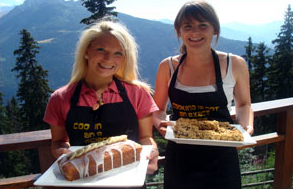 Based in beautiful La Rosiere this course is run by established chalet and hotel operator Snowcrazy. There are obvious benefits of doing a course in the Alps. Firstly you're in the mountains – what's not to like? But also you are actually in the environment that you will eventually be working in – chalet kitchens at altitude, which can present a whole lot of unforeseen challenges.
 The course covers menu planning, keeping to a budget, dealing with special dietary requirements and how to keep guests happy! It may seem that the chalet host job is never ending but working with experienced hosts and chefs you will learn how to maximise your efficiency – and that means more time on the hill. Kitchen time is complemented with time out in the hot tub if you like or the opportunity to hike and explore the local area.
The course is a full week and runs on specific dates throughout the summer and autumn. Take a look at The Ultimate Chalet Host Cookery Course for more details.
Chalet Savoie Faire training courses:
With over 25 years experience in alpine hospitality, Chalet Savoie Faire's 5 day training course will undoubtedly give you a good preparation for a chalet hosting winter. Run by Nikki Shields, who has worked for and with some of best known ski operators, the course is hands on and covers all aspects of the chalet host role.
Nikki's love and experience of the local area means she can incorporate first-hand knowledge of local, easily-sourced ingredients, and teach you fool-proof recipes that will keep guests happy every week. There's also tips and tricks on presentation, planning, shopping, budgeting and even public speaking!
She also runs courses for those just wishing to learn and enjoy alpine cookery based in her beautiful, rustic chalet close to the 3 Valleys area in France.
The chalet cookery course runs for 5 days – see the website for more details: Chalet Savoie Faire Cookery courses
Orchards School of Cookery:
 Orchards has one of the best reputations in the business for producing top notch chalet hosts.
Based near Evesham in Worcestershire, the school runs intensive one or two week courses throughout the year and promises to show you how to master the art of being a chalet host. Orchards graduates come out with menu plans, guides, help with writing a CV and much more. There is also interview training and with such an established reputation in the industry, an Orchards' endorsement is often a good pass to interview stages.
The course promises to "boost your confidence, develop your culinary skills and knowledge of cooking and give you the ability and inspiration to create your own masterpieces in the kitchen." They also have tips on dealing with kitchen disasters, such as exploding cakes.
With life in a ski resort very much in focus there is even a training video from Henry's Avalanche Talk to explain to the new seasonnaire the risks of off-piste skiing and avalanche awareness.
For more information see the Orchards School of Cookery website.
-
The Lost Art of the Turn
‘Back in the day’ skiers used to look back up the hill admiringly at the men and women who skied with effortless ease through demanding terrain. The one who put in nice rounded carved turns on hard pistes; the bumps skier whose knees moved up and down like pistons, whilst staying in rhythmic control; the powder skier putting in beautiful S’s in fresh snow. These skiers were admired and revered. Many a seasonnaire or regular would want to ski like that. Not only was the skier great to watch but the skier himself (or herself) was loving the sensation of being in harmony with the mountain. He or she was in an almost Zen-like state which was all consuming.Today one can look back up the hill and watch. Hundreds of skiers clattering down the hill at great speed, with the sole intention it would seem of breaking their latest speed record on the iPhone app, barely missing each other and finally skidding to a wild uncoordinated halt at the bottom of the chairlift. Can these skiers be having fun? Can these skiers be approaching that Zen all-consuming experience?So what has changed? Why is the atmosphere on the mountain so different? Sure things move on, of course there is progress, but is it always for the better? Can progress slowly strangle the golden goose that kept skiers coming back for more?The main innovation of course is with the equipment itself. Today you can buy all types of ski: rocker, fat, mid-fat, all terrain, all-mountain, the list goes on. The common denominator is they make all dimensions of the mountain more accessible than ever before. With a lot less experience, the skier can go to places that were inaccessible to all but the very skilful before.At face value this sounds great. We can all ‘ski’ powder, we can all ‘ski’ the piste … and sadly most bumps are flattened by the resort management.However recently there seems to be a few different murmurings within the industry. The consumer is less happy and less satisfied then they used to be. Odd you might think, with all this innovation making it easier? Ski shop owners are beginning to hear the term ‘bored’. There seems to be less of a sense of accomplishment than before. Previously it took skill, time, practice and indeed lessons to master certain terrain. Now that terrain can be charged down quite easily with relatively little experience or effort. Are we getting that same sense of achievement? Are we getting near that deserved well-earned state of Zen? Or are we just in some semi-skilled high speed traffic jam?Has the pendulum begun to swing the other way? By making the mountain more accessible has the ski industry created a fast food fix which is great in the short term but long term ultimately you can only have so much. The clients used to come back time and time again enjoying the process of attempting to reach that skiing Nirvana. Have those days gone? Are they ever going to appreciate what skiing, like good food, is all about? Or is the future just a big Mac and chips? -
Ski Holidays in the USA
With a dollar exchange rate which is currently pretty attractive for European travellers Helen Brown of Chalets USA tells us what’s great about skiing in the Rockies!
Why do we love to ski in the Rocky Mountains USA?
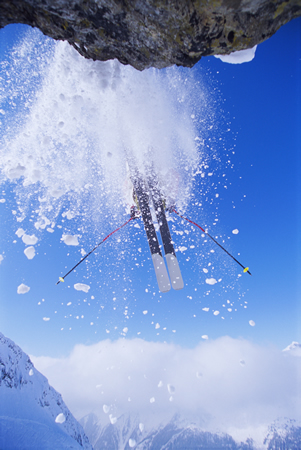 “The powder!” you hear the locals cry and yes the knee to thigh deep fluffy powder snow is incredible, but there are all sorts of other elements to the USA ski experience which bring visitors flocking to Colorado ski resorts from all over the world…will you love it too?
Snow, snow, snow…
Ski resorts in the Rockies are famous for their powder snow – light fluffy flakes that feel like skiing on air. Steamboat Springs coined the term “Champagne powder” from the delicacy & lightness of the snow & its bubbly namesake.
“Powder days” are special & many local businesses will even shut for a few hours to let their employees “shred the pow” if there’s over 8 inches of powder snow over night…and yes it happens quite a few times each season! Knee or even thigh deep powder is common and you’ll hear skiers & riders whoopdy-doing down the mountain as they float along with just their ski tips poking through the snow.
Big snow
Ski resorts in the Rockies get a lot of snow! Year after year snow conditions are pretty reliable & the snow total averages are impressive – Jackson Hole gets 459 inches (1166cm) on average, Breckenridge 300 inches (762 cm) & Winter Park 348 inches (884cm).
So what’s the skiing like?
Wide pistes
Wide open motorway pistes are great for beginners & intermediates to master their turns without feeling like they’re going to careen over a cliff.
Good visibility
Most of the ski runs in Colorado (except the bowls) are lined by trees which gives you good definition & helps you see even in low light & when it’s snowing – whiteouts are rare here.
Off piste in bounds skiing
In many US resorts there tends to be a ski boundary around the whole ski area & anything within that can be skied (avoid closed areas of course & only ski terrain appropriate to your ability level). So in the USA you can pop off the ski run into the powder at the side of the run, nip in & out of the trees or make your own route between runs. It’s pretty much all in bounds, making the ski area twice as big as it seems.
Bowls
So to the bowl skiing – huge wide open, in-bounds, bowls with off piste conditions, often plus some groomed runs, can be found in many resorts – Vail has its 7 bowls, Aspen has its Highlands Bowl, Beaver Creek Larkspur bowl & Breckenridge its Imperial Bowl as well as peak 7 bowl, Winter Park has Parsenn Bowl, plus Jackson Hole has Rendezvous & Laramie Bowls.
Yes some of the bowls are advanced / expert skiing, but there are also blue bowl runs, ideal for intermediate skiers to improve their off piste skills.
 Iconic Runs
Vail is famous for its Back Bowls & Blue Sky Basin, Aspen for its Highlands Bowl & Ruthie’s Run, Beaver Creek for its Golden Eagle Birds of Prey downhill course & Jackson Hole for Corbet’s Couloir. For keen skiers these are “must ski” runs & not to be missed!
Yes you need to be pretty good (and pretty brave!) to attempt Corbet’s Couloir, but intermediates can definitely give blue Ruthie’s Run in Aspen or some of the blue runs in Vail’s back bowls a try.
Ski lifts
Rest your legs
Most of the ski lifts in the major resorts are chairlifts or gondolas, so you can rest your legs between runs. Poma / draglifts & T-bar’s are rare, so you can avoid achy legs and not have to worry about falling off half way up the lifts.
Orderly queues if any
Many times you’ll ski in the Colorado resorts without having to queue for lifts at all, especially during the week. On the whole lift queues in the USA are orderly, with skiers / riders politely alternating taking turns to get on the lift from left & then right. Unlike Europe you tend not to have little kids or angry Frenchman (!) barging in front of you to get onto the lifts.
Uncrowded slopes
Especially on weekdays the slopes tend to be pretty quiet & uncrowded, leaving you free to whizz at top speed down that run or wind your way gently down through the glades at your leisure.
Service with a smile!
The Americans are hugely customer service orientated and will greet you & be friendly at every opportunity. The “lifties” help you get on the lifts & have a chat, staff at your lodging ask about your day & want to make sure you know about the latest great restaurant or event. They all just want you to have a great ski holiday…
Many of the luxury hotels / apartments have ski valets, who will bring your gear to the slopes & even help buckle your boots for you if needed!
 Spacious accommodation
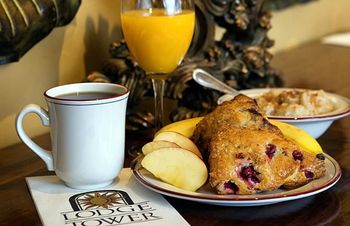
Well they say everything is bigger in the USA and to some extent its true. Accommodation in the USA tends to be a lot more spacious than in Europe and often homes includes rec rooms with pool table / table tennis / full size bar, family rooms with big screen TVs and even home cinemas complete with stadium seating in leather, reclining chairs & projector screens.
Restaurants
Yes the portions are bigger! The Americans are pretty used to eating out regularly as in several times a week, so you’ll find a large variety of restaurants in resorts and often many affordable options which are pretty decent. The huge portions mean you can share dishes to keep the cost down or it really is the norm to take a doggy bag home, perfect for a snack or lunch / dinner the next day.
Ask us about skiing in the USA
We first skied in Colorado USA back in 2001, fell in love with the snow, ski resorts & people, moved here & never looked back.
We’re thrilled to be able to share this fantastic USA ski holiday experience with our guests from all over the world, so if you haven’t already, it’s time to give it a try…
Happy Skiing!
-
Selling the Stoke in Verbier – Powder Extreme video to get you pumped!
Awesome new movie from Verbier ski school Powder Extreme – which we thought you’d like!
-
Honor Clissold retains GB Children’s Ski Title with Storming GS Win!
 With a gold medal in Giant Slalom, where she was nearly three seconds ahead of the rest of the field, fourteen year old Honor Clissold from Richmond, North Yorkshire, defended her British Children’s Overall Ski Champion title in the face of tough opposition in Meribel last week.
The three part competition was a challenging week for Honor, who is a member of the British Children’s Ski Team and trains with Team Evolution in St Johann, Austria. In her strongest discipline, the SuperG, she missed the gold medal by 0.2 of a second in what was supposed to be the training race. The Championship race, where she had planned a more attacking approach, was cancelled because of poor snow cover. Slalom is Honor’s weakest discipline, however she skied really well and in to third place in the tight technical course of the first run. The second, more open, course was less suited to her abilities so she finished the race in a disappointing sixth position.
On the final day of the championship, the Giant Slalom, which is the most important and technical of the three disciplines, the snow was hard-packed and icy. Several of the stronger skiers in the competition fell or made line errors and others chose a more cautious approach. Determined to retain her title, and putting everything she had learnt in training into practice, Honor skied a strong and fast line, not fazed by bumps and ruts, and finished the first run two seconds ahead of the field. With encouragement and guidance from Team Evolution coach Sega Fairweather, she held her nerve and repeated the performance in run two resulting in a clear win in both the Giant Slalom race and Overall Championship points.
Honor has now won three British Children’s titles as she was Children’s Champion in 2011 and was Children One Overall Champion in 2010; this season she also won three titles: the British, the English and the British Schoolgirl’s. And Honor had a third ‘hat trick’ on the international stage with three silver medals in Andorra in January.
Due to a change in FIS regulations, Honor has one more year in Children’s ski racing. This will be spent mainly working on technique, especially in slalom, and of course, defending her titles one last time. She comments: ‘I have really enjoyed ski-ing this year. My coaches have really helped make it happen and I am fired up to work hard and get results again hext season.’
-
Prime Time Skiing – why learning to ski can be done at any age!
 It's great to start skiing at an early age – and as families head to the slopes for the February half term weeks, it's clear that a lot of parents recognise that.
However just because you didn't start young doesn't mean that you can't learn later in life. Don't let preconceptions about what you should or shouldn't be doing at a certain age stop you enjoying yourself – that's what we believe – and if you want to learn to ski in your 40's, 50's, 60's or later who's to stop you except yourself?
So with that in mind we asked Lynne Stainbrook, independent ski instructor based in France's Grand Massif, for his thought's on "senior skiing".
We're never too mature to increase our level of physical activity…
"It’s our prime time. We’re still very much alive and eager to ski, enjoying the mountains, the moment and ourselves. We have achieved significant success in business and our family lives. As we get older we understand our capabilities and limitations and set our own personal realistic goals. We don’t measure our personal worth by speed of descent, hang back recoveries or number of vertical metres logged. We appreciate the joy of blending gravity, snow condition, weather, equipment, physical condition and emotions.
We’re never too mature to increase our level of physical activity and quality of life. I personally recommend skiing as a lifetime activity to improve and maintain our quality of life."
Health benefits…
"Winter activities build coordination, strength and fitness while participating in a fun sport in fresh mountain air. There is always great camaraderie with like minded friends with whom we can make that special connection, on and off the piste.
If you are looking for the motivation to start skiing again, or just ski for the first time, let me help you count the reasons.
- Physical activity has multiple beneficial effects on the heart and blood vessels.
- Increased circulation transports antioxidants and nutrients to joints, muscles and bones, reducing stiffness, aches and pains.
- Enhanced circulation builds a more robust immune system, increasing heart muscle mass and elasticity. The upside is fewer colds and flu, less heart disease, cancer, stroke, diabetes and lower back problems.
- Skiing is an exercise you can do at and through an advanced age, especially if you suffer from nagging health problems.
- When you ski, your body releases endorphins that make you feel good, relieving stress, giving you a natural energy boost. Each day you will be able to add a few extra runs, giving you better focus and coordination, both physically and mentally.
![Flaine09-10(240)[640x480]](https://i0.wp.com/skiblog.chaletsdirect.com/wp-content/uploads/2012/02/mt_imported_image_1757430549.jpg "Flaine09-10(240)[640x480]") Skiing can do all the following: improve your overall fitness, create a positive emotional state, lower stress levels, reduce pain, increase flexibility and help you sleep soundly
Skiing can do all the following: improve your overall fitness, create a positive emotional state, lower stress levels, reduce pain, increase flexibility and help you sleep soundlySo seniors; get active, ski for life, recreation and everyday better health. Get out of the armchair and onto the chairlift."
So whether you're 6 or 60, learning to ski is great activity to get into and with so many benefits what's not to like!
If you're a non-skiing "senior" who is eager to learn or refresh your skills, take a look at Lynne's ski clinics. With over 40 years of experience he can produce a programme specifically tailored to your needs and objectives. You might not want to be the fastest down the mountain but you could certainly develop the skills and confidence to enjoy it, whatever your age!
For more information on Lynne Stainbrook and his ski philosophy, and to book a clinic, take a look at: www.flaineskiclinic.com
-
Top Tips for Skiing in a White Out
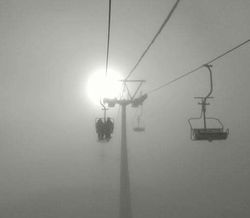 After the one of the best starts to the ski season for several years, it looks like 2011 will be going out with a bang! Many alpine ski resorts are expecting something in the region of 80 – 110cms of snow over the next 3 days. There are already record snow depths, great conditions and snow cover even in lower resorts.
This all means that Europe is well and truly set up for this ski season!
If you're going to be skiing when the snow is falling and the fog is closing in around you take a look through our top tips for skiing when visibility is limited.
1. Wear goggles not glasses. Goggles really are the best kind of eyewear for white out conditions. If you really must wear glasses then look for glasses with interchangeable lenses. When skiing in heavy snowfall you will usually be experiencing "flat light" – this is when you can't make out any contours of the snow beneath you. Red, pink or orange/yellow tinted lenses will help.
2. Ski/board where there's trees. Skiing above approximately 1800-2000m (in Europe) means that you'll be skiing above the treeline. So there are fewer "landmarks" around to provide definition to your surroundings. Staying a bit lower, in and around tree-lined areas help to provide that definition so it will be easier to see where you're going.
3. Keep the piste markers in sight. If you're high up and in very thick fog it can be disorientating. Keeping sight of the piste markers at the edge of the piste will guide you. Piste markers on the right hand side of the piste have orange or yellow tips – whilst those on the opposite side are all one colour ie the colour of the piste; red, blue, green etc.
4. Do not venture off piste. It may be tempting when you know that there's untracked powder all around you, but as a general rule of thumb in poor visibility – stick to what you know. Foggy, white-out weather means you can't see holes, bumps, rocks, drop offs. Fresh snowfall can easily disguise hazards. If you don't know the area – and even if you think you do – stay on piste.
5. Buddy up. It's always best not to ski alone in extreme white out conditions – at the very least make sure you let people know where you're going.
There can be some great aspects to skiing in a white out. The first few piste runs are often the best of the day – a layer of fresh snow on top of a smoothly pisted run can be the closest thing to heaven on a foggy, snowy day. Get there before anyone else and you'll have had the best skiing of the day!
After that it's also a great opportunity to work on your technique and will provide challenges that you won't get on a sunny, blue sky day.
We all love fairweather skiing – but white out skiing and snowboarding is just as much part of the mountain experience. It's just Mother Nature reminding us who's boss!
-
Ski Tips: How to ski a drop off
Ski tips from Mark Gear
How to ski off a drop off this season without hurting yourself. Of course no guarantees!

http://www.flickr.com/apps/slideshow/show.swf?v=107931
This is what the ski movie guys do, they don't just jump and hope.
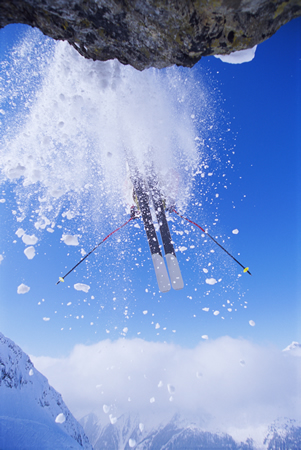
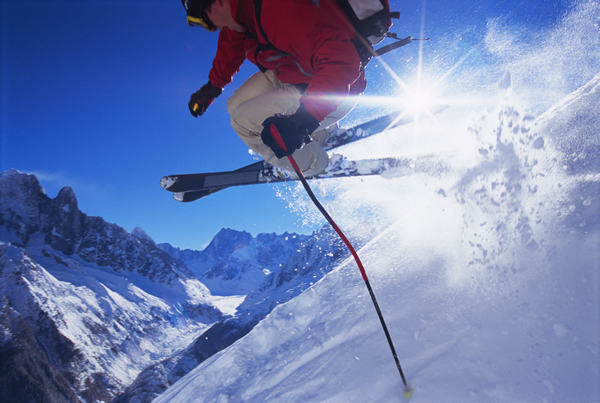
Here are a few top tips for how to ski a drop off. Watch the sequence of shots.
- Pick your jump carefully. Jumping can be dangerous. Its always best to start small.
- Always visually check out a jump or drop is safe before leaping off. The landing and run-out should be clear of obstacles and allow you enough space to land and make turns to slow down. Speed picks up fast in the air so you will need plenty of open space for confidence to land well and ski away.
- It is important to ensure that the landing is not flat. The landing area should slope away from the jump. Flat landings should be avoided as the impact is greater.
- Snow texture and depth should be checked before jumping so you know what to expect when you land. For example, deep and heavy snow will slow you down on landing and could throw you forwards over the skis as you land. Hard snow is going to offer a fast landing and a harder impact. If the snow is hard, you may want to find a smaller drop.
- Once you are happy that all you are going to hit if you get it wrong is snow, there's not alot to it other than take a deep breath, point the skis and jump!
- Take enough of a run up to get some speed off the jump. It really helps to make a positive, intentional jump upwards and forwards into the air.
- Hold the hands forwards for the flight also pulling your knees up towards your chest. This will help keep your balance and stability in the air, also setting you up for the landing phase of your drop.
- Whilst in the air, you will need to angle your skis to match the angle of the slope gradient. You don't want to land too far forwards or backwards on the skis.
- When coming into land, allow your legs to extend a little. This is like droping your landing gear. It will set you up for absorbtion on landing.
- Land absorbing the impact, standing up and skiing away hearing the applause from the nearby chair lift.
By Mark Gear Head Coach, All Mountain Performance
Mark runs off piste & freeride ski courses in Chamonix where you can actually learn how to do this. Of course, you choose the size of your jump.





![Flaine09-10(240)[640x480]](https://i0.wp.com/skiblog.chaletsdirect.com/wp-content/uploads/2012/02/mt_imported_image_1757430552.jpg "Flaine09-10(240)[640x480]")
