
















-
Skiing at Christmas: Why It’s So Special and What to Expect
Skiing at Christmas: Why It’s So Special and What to Expect

There’s something magical about spending Christmas in the mountains.
But what is skiing at Christmas really like? Is there enough snow, how busy are the resorts, and what should you consider before booking?
Whether you’re planning a family Christmas, a festive getaway with friends or a special trip for two, here’s what to expect from a Christmas ski holiday in the mountains.
1. Why ski at Christmas?
For many people, skiing at Christmas is about much more than the skiing itself. It’s an opportunity to enjoy the festive season somewhere beautiful, combine an active holiday with time to relax, and create Christmas memories that are a little different from the usual celebrations at home.
A magical festive atmosphere
Many Alpine resorts embrace Christmas wholeheartedly. Villages are decorated with lights, trees and seasonal displays, while traditional markets, festive concerts and local celebrations bring a special atmosphere to the mountains. You might find yourself wandering past wooden chalets selling handmade gifts, stopping for a warming drink or enjoying the sight of snow-covered rooftops against a mountain backdrop.
The atmosphere varies from resort to resort. Some have lively après-ski scenes and plenty of entertainment, while others offer a quieter, more traditional Alpine Christmas.
A different kind of Christmas Day
Instead of spending the entire day indoors, you could be skiing in the morning, enjoying a leisurely mountain lunch and then returning to your accommodation for a festive dinner. For families, it can be a wonderful way to combine an outdoor adventure with the traditions that make Christmas special.
Of course, there’s also something appealing about letting someone else take care of the cooking and washing up, particularly if you choose a catered chalet.
Quality time together
A ski holiday gives everyone a shared experience, whether you’re learning to ski together, exploring the mountains or relaxing by the fire after a day outdoors. It can work particularly well for multi-generational families and groups of friends, provided you choose accommodation with enough space and facilities for everyone.
And if some members of your group don’t ski, there are plenty of resorts where they can enjoy winter walks, scenic lifts with pedestrian access, tobogganing, shopping and long lunches with a view.
2. Will there be enough snow at Christmas?
This is probably the biggest question when planning a Christmas ski holiday, and the honest answer is that snow conditions can vary considerably in late December.
Christmas falls relatively early in the European ski season. Some years bring excellent snowfall in November and December, while in others, natural snow can be limited, particularly at lower altitudes. Even when the mountains are white, conditions can differ between the village, the lower slopes and the higher ski areas.
That doesn’t mean Christmas skiing is a gamble you shouldn’t take. It means choosing your resort carefully.
Choose a resort with reliable skiing
When researching resorts, look at:
- Altitude: Higher-altitude resorts and ski areas generally have better prospects for maintaining snow cover in early season. However lower altitude slopes will usually require less snow to make them skiable. Grass covered slopes at 1400m for example will need far less coverage than rocky terrain at 2000m – so this is something to bear in mind.
- Snowmaking: Extensive snowmaking facilities can help keep key pistes open when natural snowfall is limited, provided temperatures are suitable. In December the sun is at it’s lowest point, meaning that lower slopes will be in the shade for most of the day, which also preserves snow quality.
- Access to higher slopes: A resort with easy access to higher-altitude skiing gives you more options if lower runs have limited snow.
- Terrain and lift access: Consider how much of the ski area is likely to be accessible in early season, rather than looking at the resort’s headline piste kilometres alone.
It’s also worth checking the resort’s usual opening dates and planned lift operations, especially if you’re travelling early in the festive period.
By Christmas week most resorts will expect to be in full swing, with as much of the ski area open as possible.
3. What is Christmas Day like in a ski resort?
Christmas Day in the Alps can be a wonderful experience, but it’s worth planning ahead because the day doesn’t necessarily follow the same routine as Christmas at home.
Can you ski on Christmas Day?
Yes. For ski resorts it’s important that Christmas has all the usual services running – ski school, lifts, ski hire, shops and restaurants will be open as normal.
In most European resorts in France, Austria, Italy and Switzerland, Christmas Eve is the main celebration. There will often be special events taking place, visits from Santa, maybe fireworks, light shows, torchlight descents. Restaurants may offer special menus too. So check what’s going on for Christmas Eve when you get to your destination.
In light of this you may want to change your normal Christmas routine – head out early on the slopes to enjoy the views and special atmosphere, and then get back in time to experience the celebrations.
Mountain restaurants may offer special Christmas lunches, although reservations can be essential. Alternatively, you might prefer to return to your accommodation for a longer, more traditional festive meal in the evening.
Don’t forget the Christmas meal
Food can be one of the highlights of a Christmas ski holiday, but it’s important to know what your accommodation includes.
Catered chalets will usually offer a special Christmas dinner. Menus and arrangements vary by property so check with your chalet operator to see what is included for Christmas.
If you’re staying in a self-catered apartment or chalet, check which supermarkets and shops will be open and arrange any festive food in advance. Resort supermarkets will usually be open as normal.
Restaurants can be busy so book a Christmas meal early if you plan to eat out.
4. Is Christmas a good time for a family ski holiday?
We would say a resounding yes! Christmas can be a particularly memorable time for families, combining the excitement of skiing with all the magic of the festive season.
For children, there’s the prospect of learning to ski, playing in the snow and experiencing Christmas in a mountain village. For parents, it can mean an active family holiday without having to organise every detail of the festive period at home.
There are a few things worth considering, however.
Book ski lessons early. Christmas is a busy time, and popular ski schools can fill up well in advance. If you need group lessons or private tuition, don’t leave arrangements until you arrive.
Think beyond the slopes. A swimming pool, ice rink, toboggan run or other family-friendly activities can make a real difference, particularly if some family members need a break from skiing.
Find accommodation that works for your group. Families often benefit from space to relax together, separate bedrooms, somewhere to dry ski clothing and a convenient location for getting to the slopes. If you’re travelling with grandparents or several families, check the layout carefully rather than relying on the advertised sleeping capacity alone.
Christmas can be expensive, but the right resort and accommodation can make the holiday feel special for everyone.
5. How busy and expensive is skiing at Christmas?
Christmas and New Year are among the busiest periods for ski holidays. Schools are closed, families are travelling together and demand for popular accommodation is high.
In general though, Christmas week can be less busy and slightly less costly when compared to New Year week.
It’s sensible to book early, particularly if you have specific requirements. However, if you’re tempted to opt for a Christmas break but haven’t booked yet, you may be able to find some Xmas offers which suit your group size!
Accommodation can fill up quickly
Large chalets, properties suitable for multiple families and accommodation in prime locations can be particularly sought after. If you want to stay in a particular resort, close to the lifts or in a traditional village, having more choice earlier in the year can make a real difference.
You may also find that properties have fixed arrival and departure days or minimum-stay requirements over Christmas.
Expect peak-season prices
Accommodation and flights can cost more during the festive period than at quieter times of the season.
To make the most of your budget, compare the total cost of the holiday rather than just the accommodation price. Consider lift passes, equipment hire, lessons, transfers, food and festive extras.
Catered or self-catered?
Both options can work brilliantly at Christmas, depending on the kind of holiday you want.
A catered chalet can make the festive period feel wonderfully relaxed, particularly if meals are included and someone else takes care of the cooking. Check exactly what’s provided, including breakfast, afternoon tea, evening meals and any special Christmas arrangements.
A self-catered chalet or apartment offers greater flexibility and can work well for families or groups who prefer to eat when they want. It can also be a good option if you enjoy cooking together, although you’ll need to organise your own food shopping and Christmas meal.
Neither option is automatically cheaper. The best choice depends on your group size, eating habits, budget and how much time you want to spend organising meals.
Is skiing at Christmas worth it?
For many people, a Christmas ski holiday is one of the most memorable ways to spend the festive season. You get the excitement of skiing, the beauty of the mountains and the opportunity to enjoy Christmas together in a completely different setting.
The key is to go with realistic expectations. Snow conditions can never be guaranteed, popular resorts can be busy and the festive period comes at a premium. But with careful planning and the right choice of resort and accommodation, Christmas in the Alps and Pyrenees can be truly special.
Whether you’re looking for a cosy chalet for the family, a large property for a group of friends or a self-catered apartment close to the slopes, finding the right place to stay is an important part of the experience.
Plan your Christmas ski holiday with Chalets Direct. Explore a wide range of chalets, apartments and other accommodation across the Alps, compare your options and contact property owners directly to find a festive escape that suits you.
Your Christmas in the mountains could be closer than you think.
Christmas Day 2025 – it was magical! -
Could Europe Be the Smartest Way to Use Your Epic, Ikon or Indy Pass?
Could Europe Be the Smartest Way to Use Your Epic, Ikon or Indy Pass?
If you have an Epic, Ikon or Indy Pass, you may already have access to some of Europe’s best-known ski resorts.
For years, season passes like Epic, Ikon and Indy were mainly seen as a way to reduce the cost of skiing in North America.
But increasingly, skiers are using them differently.
Not just as a pass.
But as a passport.
Because once your lift access is already included, a European ski trip can become far more achievable than many people realise.
And for some skiers, the overall cost can be surprisingly competitive with a week at a major US resort.

From Meribel to Val Thorens 
The best views 


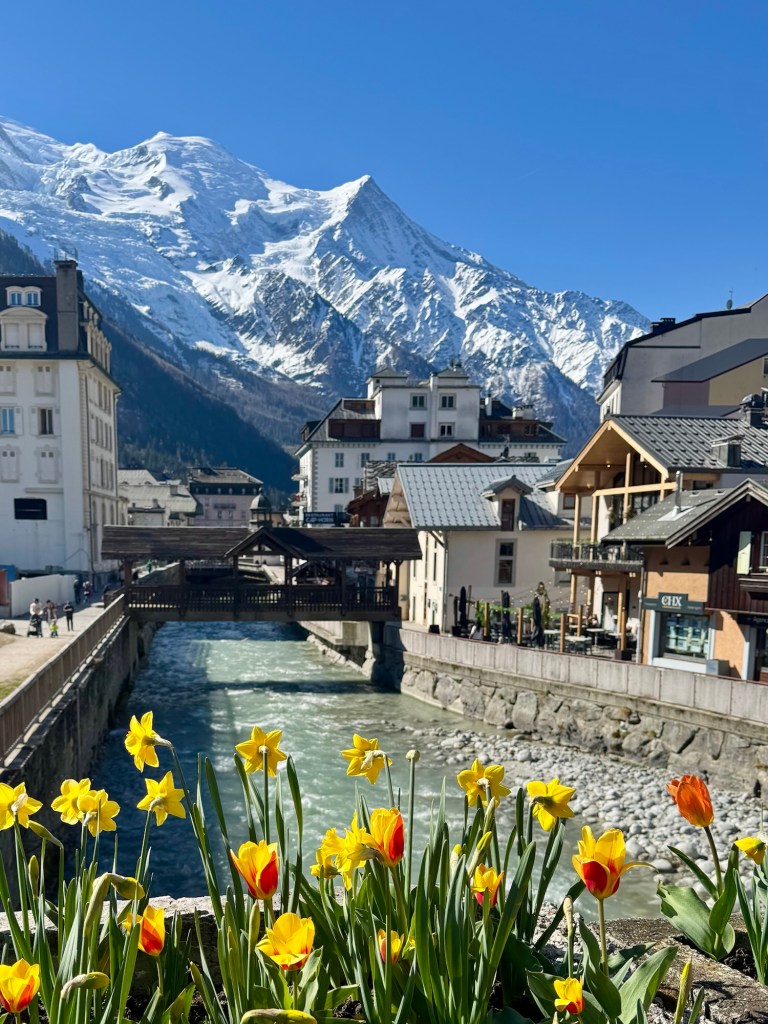
Chamonix The Real Cost of Skiing Isn’t the Lift Ticket Anymore
If you already own an Epic, Ikon or Indy Pass, some — or potentially all — of your lift access may already be covered for part of your European trip, depending on the pass and destination.
That changes the calculation.
The bigger question becomes:
Where do you get the best overall ski holiday experience for your money?
And that’s where Europe starts to look particularly interesting.
At many major North American resorts, the biggest costs of a ski trip are no longer necessarily the lift ticket. They can include:
- accommodation
- dining
- parking and transport
- resort fees
- car hire
- peak-season pricing
Meanwhile, many European ski resorts offer:
- independently run hotels, apartments and chalets
- a wide choice of restaurants and cafés
- efficient public transport
- compact, walkable villages
- huge interconnected ski areas
The result is that, once lift access is taken out of the equation, the overall cost of a European ski holiday can be closer to a US trip than you might expect.
A Typical Ski Trip Cost Comparison
Every trip is different, of course. Resort, dates, accommodation and where you are travelling from can make a big difference.
But consider a typical week for two people, excluding the cost of the ski pass itself:
Typical Trip Costs Major US Resort European Ski Resort Accommodation $2,400–4,200 $1,000–2,200 Food & drinks $900–1,500 $450–900 Airport transfers / parking / car $350–900 $150–450 Trip costs excluding flights $3,650–6,600 $1,600–3,550
Illustrative planning ranges for two people. Actual costs vary considerably by resort, dates, accommodation and travel style. Lift access is excluded where it may already be covered by a pass.Flights are the big variable.
For a US ski trip, that might mean a relatively inexpensive domestic return flight. For Europe, you’re adding a transatlantic journey — but the cost varies enormously depending on your departure airport, destination and dates.
That’s why it’s difficult to give one meaningful flight figure for everyone.
The more useful comparison is what happens once you arrive.
European accommodation, food and local transport can often be considerably less expensive than at major North American destination resorts. And if your Epic, Ikon or Indy Pass already provides lift access, that can make the overall equation particularly interesting.
So the question isn’t simply:
“Is skiing in Europe cheaper?”
It’s:
“Once my lift access is already covered, how does the total cost of a European ski trip compare with my usual North American trip?”
For many skiers, the answer may be more competitive than they expect.
Using Your Epic, Ikon or Indy Pass in Europe
This is perhaps the biggest change in the way Epic, Ikon and Indy are being used.
European skiing is no longer necessarily an entirely separate purchase.
The major passes now include access to a growing range of European destinations.
Epic Pass, for example, currently includes access to destinations in France, Italy, Switzerland and Austria, including Les 3 Vallées (includes Meribel, Courchevel, La Tania, Val Thorens, St Martin de Belleville and Les Menuires), Skirama Dolomiti, Verbier 4 Vallées, Andermatt-Sedrun-Disentis, Crans-Montana and a number of Austrian resorts. The exact number of days and conditions vary by destination and pass type.
Ikon Pass also includes a substantial European network, with destinations including Chamonix, Dolomiti Superski, Grandvalira, Ischgl, Kitzbühel, Megève, St. Moritz, Zermatt and Valle d’Aosta among its 2026/27 destinations.
And Indy Pass has built a distinctly different European network of independent resorts, including destinations in France (includes Morzine, Les Gets and Chatel), Austria, Switzerland, Italy, Spain, Norway, Sweden and Finland.
So rather than buying a pass for one North American resort and sticking with it, you can increasingly think of your pass as a way of accessing a whole range of mountain destinations.
Just check the specific access rules for your pass before booking: European partner resorts can have limits, blackout dates or accommodation requirements.
More Skiers Are Rethinking the “Big Resort” Formula
For some North American skiers, the traditional destination-resort model is starting to feel less straightforward.
Crowded parking lots.
Reservation systems.
Expensive on-mountain dining.
Long lift lines during peak periods.
Premium pricing for almost everything once you arrive.
Europe offers a different model.
Many ski resorts grew around existing mountain communities rather than being built entirely as destination resorts. You can find:
- family-run guesthouses
- catered chalets
- self-catering apartments
- local bakeries and cafés
- traditional village centres
- extensive public transport networks
And accommodation isn’t always separated from the skiing. In many resorts, you can stay in or near the village, walk to the lift, take a local bus or ski directly back towards your accommodation.
The result can feel less like staying inside a resort complex and more like actually visiting a mountain community — and for many skiers, increasingly refreshing.
Europe Offers a Different Style of Skiing
North American skiing often revolves around a single resort base.
European skiing can be much more about exploration.
You might ski across several valleys in a single day, stop for lunch at a mountain restaurant, finish in a different village and use the lift network or public transport to get back.
Some European ski areas are enormous by North American standards, with interconnected terrain covering multiple valleys and villages.
And that changes the rhythm of a ski holiday.
Instead of asking:
“Which resort are we going to ski?”
you can start asking:
“Where can we explore?”
For many first-time visitors, Europe feels less like a traditional resort holiday and more like a genuine travel experience that happens to include some world-class skiing.
Indy Pass Skiers May Already Understand the Appeal
In many ways, Indy Pass skiers already understand this mindset.
Indy has built its identity around independent resorts and destinations that offer something different from the biggest destination mountains.
Its European network follows that same philosophy, with resorts ranging from the French Alps and Italian Aosta Valley to Austria, Switzerland and Scandinavia.
That can make Europe a particularly natural fit for skiers who value:
- character
- independent mountain culture
- variety
- unique ski experiences
The appeal isn’t necessarily about finding the biggest ski area.
It’s about finding a memorable one.
The Passes Have Changed Ski Travel
Epic, Ikon and Indy didn’t just change how people buy lift tickets.
They’ve also changed the possibilities for ski travel.
Once you know that your pass may give you access to European resorts, the question becomes less about the cost of a lift ticket and more about the cost of the whole trip.
And that opens up a much bigger choice.
You can consider:
- France rather than Colorado
- Austria rather than Utah
- Italy rather than California
- Switzerland or Andorra for something completely different
- a small independent resort rather than a major destination
The skiing may already be covered.
What you’re really choosing is where you want to spend your week.
So Is Europe Worth Considering?
If you already have an Epic, Ikon or Indy Pass, it is certainly worth looking beyond North America when planning your next ski trip.
Europe won’t always be the cheapest option. The transatlantic flight is a significant extra cost, and pass access varies considerably between destinations.
But when you combine potentially included lift access with Europe’s accommodation choices, village-based resorts, public transport and après-ski culture, the numbers can look very different from what you might expect.
And cost is only part of the story.
For many skiers, the bigger attraction is the experience.
More villages. More mountains. More countries. More ways to ski.
Your season pass might be more than a way of skiing your local North American resort.
It could be your passport to a European ski holiday.
To find European chalets, hotels and apartments, check out our specific Epic, Ikon and Indy pass searches.
-
The Stress-Free Guide to Taking a Beginner Skiing
The Stress-Free Guide to Taking a Beginner Skiing
Many ski groups have one.
The first-time skier.
Perhaps it’s your partner, a friend, your teenage son or daughter, a work colleague or a family member who has finally agreed to join the annual ski trip.
As the organiser, you probably have one major concern:
“I really hope they enjoy it.”
The truth is that a beginner’s first ski holiday can go one of two ways.
They can return home excited, proud of what they’ve achieved and already planning their next trip.
Or they can return home cold, tired, frustrated and wondering why anyone would voluntarily strap planks to their feet and slide down a mountain.
The good news is that with a little planning, you can dramatically increase the chances of them becoming a lifelong skier.
Book Professional Ski Lessons
If there is one thing you should prioritise, it’s ski lessons.
Don’t rely on friends, family or the strongest skier in the group to do the teaching.
Professional instructors know how to:
- build confidence
- introduce skills gradually
- choose appropriate terrain
- keep learning enjoyable
- avoid unnecessary fear and frustration
Perhaps even more importantly, lessons remove pressure from the rest of the group.
The beginner gets expert instruction while everyone else can enjoy their own skiing.
Everybody wins.
If time, budget and location allow, it’s also worth suggesting they take a lesson at their nearest indoor ski centre before heading out. Already having experience of skis and boots, how they feel, how to walk and what to expect, before getting to the mountains, can pay dividends on the first day of ski lessons.
Get the Right Equipment
Poor equipment can ruin a beginner’s experience.
Make sure they have:
- properly fitted ski boots
- suitable beginner skis
- a correctly adjusted helmet
- warm gloves
- good goggles
The biggest issue is usually ski boots.
Badly fitted boots create discomfort, cold feet and frustration.
Encourage beginners to spend a little extra time with the rental shop to ensure the fit is right.
Socks Matter More Than You Think
One pair of thin ski socks is all that’s needed.
Many beginners assume:
“My feet get cold, so I’ll wear two or three pairs of socks.”
Unfortunately, this often makes things worse.
Multiple socks create pressure points and reduce circulation.
One good-quality ski sock is usually the best solution – and make sure they wear these socks when they go to get their boots fitted.
Teach Them How to Carry Their Skis
Experienced skiers forget how awkward skis can feel.
Before heading to the slopes, show beginners:
- how to carry skis safely
- how to carry poles
- how to walk in ski boots
- how to put skis on and take them off
These simple things can remove a surprising amount of stress.
Don’t Overschedule
Many experienced skiers want to maximise every minute on the mountain.
Beginners often need something different.
Learning to ski is physically and mentally tiring.
Allow time for:
- coffee breaks
- lunch
- rest
- enjoying the scenery
A relaxed beginner is usually a happier beginner.
Set Expectations Early
One of the biggest mistakes is creating unrealistic expectations.
Nobody becomes an expert skier in three days.
Celebrate small wins:
- first successful run
- first chairlift
- first controlled turn
- first blue run
Progress is what matters.
Not performance.
Agree Meeting Points
This is one of the best pieces of advice for mixed-ability groups.
Rather than skiing together all day, agree:
- a lunch meeting point
- an afternoon meeting point
- an après ski venue
This allows everyone to enjoy skiing at their own level.
The beginner avoids feeling like they are holding everyone back.
The experienced skiers avoid spending the day waiting.
Everyone stays happy.
Budget for More Than Just Skiing
Many beginners underestimate the total cost of a ski holiday.
Help them budget for:
- ski lessons
- equipment hire
- mountain lunches
- drinks
- après ski
- optional activities
Unexpected expenses can create unnecessary stress.
A little planning beforehand makes the holiday much more enjoyable.
Introduce Them to Après Ski
A ski holiday isn’t just about skiing.
Some of the best memories happen after the lifts close.
Take time to enjoy:
- mountain restaurants
- village cafés
- live music
- local food
- drinks with friends
Many people fall in love with the entire ski holiday experience, not just the skiing itself.

Apres-Ski – the original La Folie Douce in Val d’Isere Remember Why They’re There
The beginner isn’t trying to win a race.
They aren’t trying to impress anyone.
They’re simply trying something new.
Be encouraging.
Be patient.
Celebrate progress.
Remember how brave it can feel to step onto skis for the very first time and how that slight incline on a green slope can feel incredibly steep on your first day.
Take the Stress Out of Their Holiday — and Yours
A successful beginner ski holiday isn’t about skiing the most terrain or spending every minute on the mountain.
It’s about creating a positive experience.
Book lessons.
Get the right equipment.
Set realistic expectations.
Give them space to learn.
Meet up for lunch and après ski.
Do those things and there’s a very good chance that next season they’ll be asking:
“When are we going skiing again?”
For ski school information look at the our resort guides. You can also ask your accommodation provider who will probably be able to give you good recommendations for lessons and ski hire.
A big benefit of booking with Chalets Direct is that we put you in touch directly with the people who know the resort and area and who can answer all your questions.
-
The Story of Chalets Direct: 25+ Years of Skiing, People and Change
The Story of Chalets Direct: 25+ Years of Skiing, People and Change

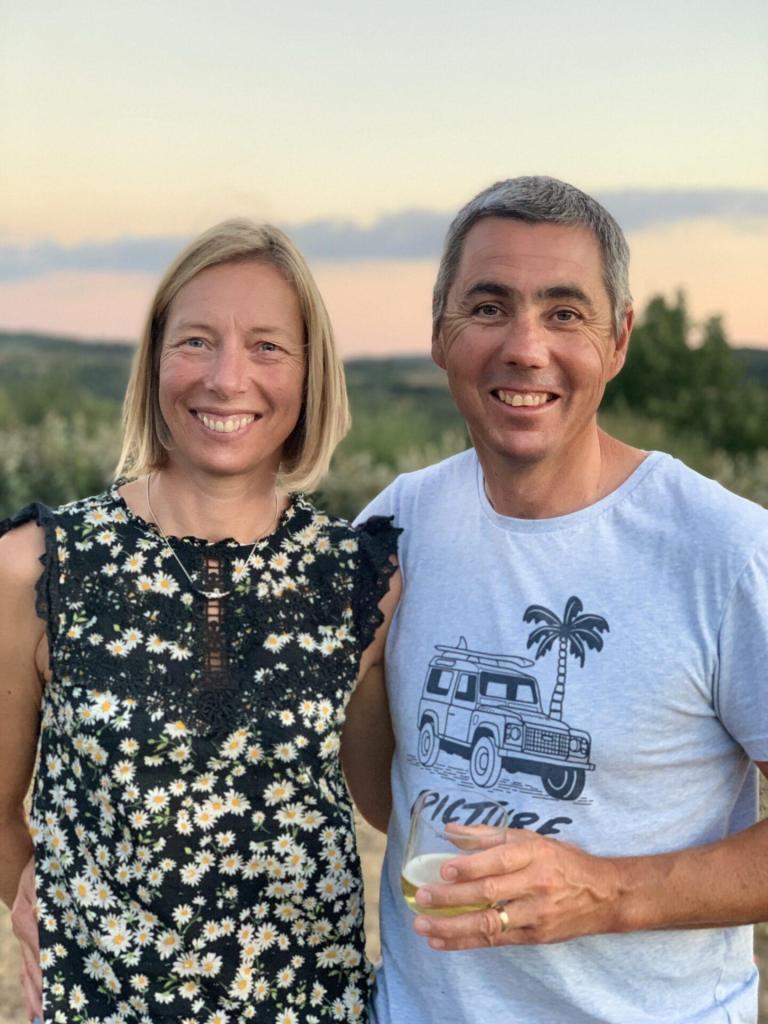
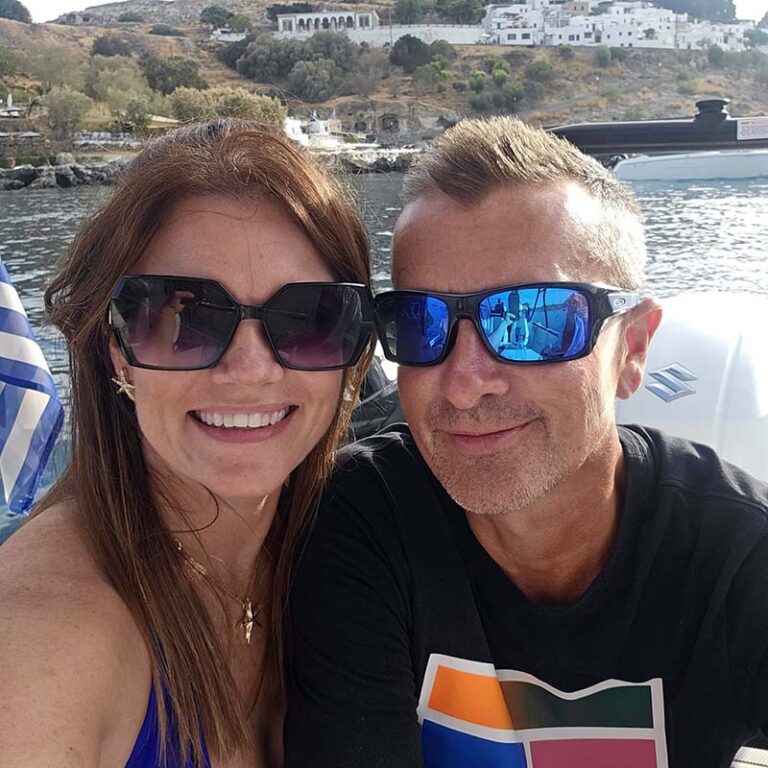
The faces behind Chalets Direct Chalets Direct was founded in 1999 with a simple idea: make it easier for people to find ski accommodation and speak directly to the people who run it.
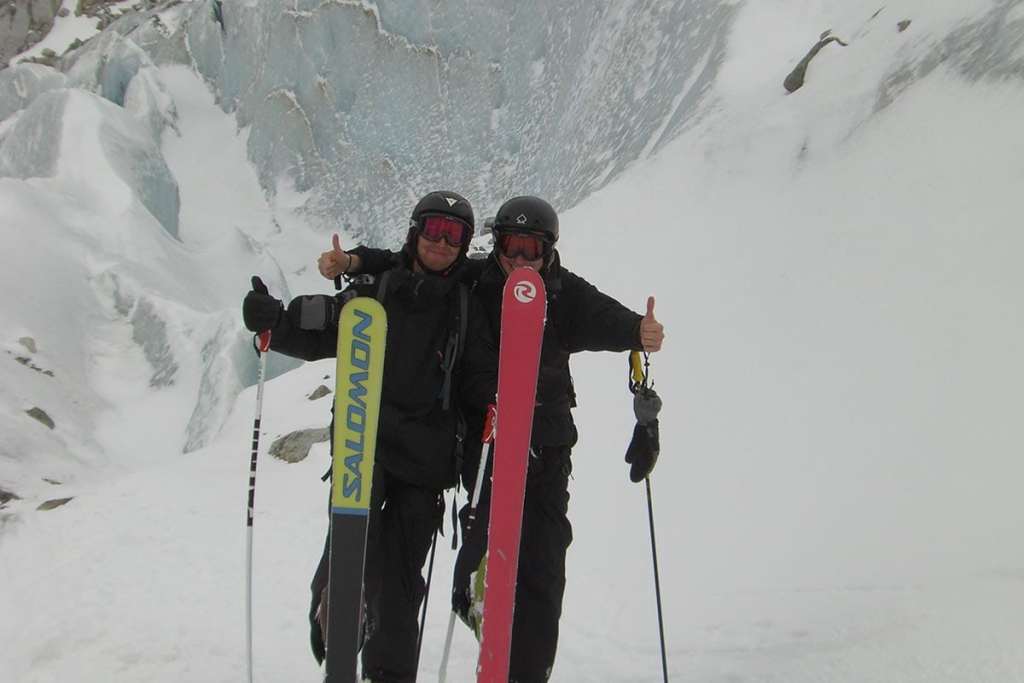
It began on a ski trip to Chamonix and an idea that seemed quite simple at the time.
It was 1999.
The internet was still young. Most businesses didn’t have websites. Booking a holiday online was something of a novelty, and for many people internet access still meant sitting in front of a computer waiting for a dial-up connection.
Two of the people who would go on to found Chalets Direct were in Chamonix, looking at hotels and talking to local accommodation providers about the possibilities of the new internet.
They had spent the day looking at how local businesses could use the web.
Towards the end of the day, they drove out to Les Praz, a small village a few miles from Chamonix.
They stopped near the village church.
And that’s where the idea came.
Why not create a website specifically for ski accommodation – and make it easy and affordable for owners and operators to present themselves online?
More importantly, why put another company between the person looking for a ski holiday and the person providing it?
That was the beginning of Chalets Direct.
And, more than 25 years later, that original idea still sits at the heart of the business.
It wasn’t meant to be another travel agency
The thinking behind Chalets Direct was always slightly different.
The founders were seasoned skiers. They understood that a ski holiday wasn’t simply a transaction involving a room for seven nights.
The accommodation mattered.
The resort mattered.
The skiing mattered.
And the people running the accommodation mattered.
So why shouldn’t the holidaymaker be able to talk directly to them?
That became one of the fundamental principles of Chalets Direct:
Don’t come between the holidaymaker and the people providing the holiday.
We still believe that today.
We don’t take commission on bookings. We don’t need to become the travel agent between the two sides. Instead, we provide the platform, the search, the information and the opportunities for holidaymakers and accommodation providers to find each other.
Two founders – and a business that stayed personal
One of the unusual things about Chalets Direct is that the people who started it didn’t simply disappear once the business was established.
The two founding members have remained involved in the company.
And they are still skiers.
That matters because Chalets Direct has never been run purely as a technology project or an accommodation database.
The mountains are still part of the reason we’re doing it.
There is something about skiing that is difficult to explain to someone who hasn’t experienced it.
The alarm going off before sunrise.
The first glimpse of fresh snow.
The click of the bindings.
That first lift ride.
Stepping off onto a mountain with the whole day ahead of you.
And then, at the end of the day, walking back into a village with tired legs and that slightly ridiculous feeling that you’ve just had one of the best days of the year.
That is the holiday we’re ultimately trying to help people find.
The internet changed. Chalets Direct changed with it.
The website that exists today would be almost unrecognisable compared with the one we launched in 1999.
And that’s probably a good thing.
We’ve lived through the first dot-com boom and bust, the financial crisis, major changes in the travel industry, the rise of smartphones, social media, Brexit, Covid and the enormous shift towards online booking and comparison.
We’ve watched huge travel businesses appear, grow and consolidate.
We’ve seen the internet move from being an exciting new opportunity to something people now take completely for granted.
And we’ve had to keep adapting.
There have been periods when the economic outlook was difficult.
There have been difficult seasons.
There have been moments when the way people booked ski holidays seemed to be changing faster than anyone could keep up with.
And there have been plenty of occasions when the easy option would have been to simply do what everyone else was doing.
But we’ve never wanted Chalets Direct to become just another big booking platform.
The technology has changed.
The underlying idea hasn’t.
The people behind the properties
We also made a conscious decision about how we think about the people who list their accommodation with us.
We call them members.
That’s not just a different word for advertisers.
Many are people who have spent years in their resort. Some own their properties. Some run chalet businesses. Some have built their livelihoods around looking after visitors in the mountains.
They know their resorts in a way that isn’t always possible to capture in a database.
They know which part of the mountain gets the morning sun.
Which lift is best when the queues build up.
Where the best family lunch might be.
Which transfer company actually turns up when it says it will.
Which part of the resort is lively – and which part is quiet.
Those relationships have become one of the most valuable parts of Chalets Direct.
Many of our members have been with us for years, some for a very long time. Our current advertiser base still includes businesses that have been with us for a decade or more.
That continuity is something we’re proud of. Here’s just some of our fantastic members – and there’s more featured in our previous blog about what makes a ski holiday truly memorable.

Brothers Dom & Luke – Skiology – Morzine 
Gina and Marcus – Reach 4 the Alps 
Ralph and Natalie – The Freeride Republic – The Three Valleys 
Clare and John – Ski Magic – Courchevel 
Luke and Grace – Alpine Friends 
Ascensus Ski
– Xavier and RichardThe Solutions Room: A Different Way to Find a Ski Holiday
One of the best examples of how Chalets Direct has evolved is the Solutions Room.
It was actually created very early in the company’s history, in autumn 1999.
The idea was simple but unusual: instead of making holidaymakers search through accommodation themselves, let them describe what they were looking for.
Then let the people who might be able to help respond.
The concept has stayed with us for more than two decades and has grown into one of the most distinctive parts of Chalets Direct.
Today, someone can tell us where they’d like to go, their dates, how many people are travelling, the sort of accommodation they want, how close they’d like to be to the airport and other preferences.
But they can also explain it in their own words.
That last part is important.
A ski holiday isn’t always a neat collection of filters.
Someone might say:
“We’re two families with children, we’d love somewhere fairly quiet but within easy reach of the slopes, we’d prefer catered but are open to self-catered, and we’d really like somewhere with a great view.”
That tells you far more about the holiday they’re imagining than a series of tick boxes.
Over the years, the Solutions Room has accumulated tens of thousands of real holiday requests and an extraordinary number of responses from accommodation providers.
In other words, it has become a record of what real skiers have actually wanted from their holidays.
What we’ve learned from skiers
After more than 25 years, we’ve learned that people don’t necessarily want the same thing from a ski holiday.
A family with young children may care about completely different things from a group of experienced skiers.
A couple looking for a romantic weekend isn’t necessarily interested in the same accommodation as a group of twelve friends.
Some people want luxury.
Some want value.
Some want ski-in/ski-out.
Some care much more about the village, restaurants and atmosphere.
Some want a traditional catered chalet.
Others would rather have an apartment and do their own thing.
And increasingly, people don’t necessarily want a traditional seven-night Saturday-to-Saturday holiday either.
The challenge for us is to help people navigate all of those possibilities without making the process more complicated than it needs to be.
Why direct still matters
Travel has become incredibly efficient.
You can compare hundreds of properties in seconds.
You can read reviews from people you’ve never met.
You can see photographs, prices, maps and availability without speaking to anyone.
That’s fantastic.
But sometimes the most useful information still comes from a person.
If you’re spending thousands of pounds on a ski holiday, you may want to ask:
“Is this really suitable for six adults?”
“How easy is it to get to the lift?”
“Is the walk manageable in ski boots?”
“Would you recommend this part of the resort for children?”
“What happens if we need an airport transfer?”
Those conversations can matter.
That’s why we still believe in connecting holidaymakers directly with the people behind the accommodation.
More than just chalets
The name has stayed the same, but ski holidays have changed.
Chalets remain a huge part of what we do, but today people can also find apartments, hotels, luxury properties and different types of catered and self-catered accommodation through Chalets Direct.
That’s important because we’re not really in the business of selling one particular type of holiday.
We’re in the business of helping people find the right holiday for them.
Sometimes that’s a traditional catered chalet.
Sometimes it’s a self-catered apartment.
Sometimes it’s a luxury property with a hot tub and a private driver.
Sometimes it’s simply a good-value place in the right resort.
And sometimes the best option is something the holidaymaker hadn’t even considered when they started looking.
A ski business that has kept evolving
There’s a temptation, after 25 years, to look backwards and say:
“We’ve been doing this since 1999, so we must have got everything right.”
We haven’t.
We’ve made mistakes.
We’ve had to change things that didn’t work.
We’ve had technology that eventually became obsolete.
We’ve had to rethink how people search, how properties are presented and how holidaymakers communicate with members.
And we’re still doing that today.
The current Chalets Direct site is part of that process.
The aim isn’t simply to make an old website look newer.
It’s to take what we’ve learned over more than two decades and build something that works better for today’s skiers while retaining the things that made the original idea worthwhile.
Faster search.
Better mobile experiences.
More useful information.
More ways to find accommodation.
Better ways to connect holidaymakers with members.
And, importantly, continuing to develop the Solutions Room rather than losing the human element behind it.
Why we’re still here
Perhaps the most remarkable thing about Chalets Direct isn’t that it has been around since 1999.
It’s that it has continued to adapt while remaining recognisably the same business.
The internet around us has changed almost beyond recognition.
The travel industry has changed.
The economy has changed.
The way people research and book holidays has changed.
The competitive landscape has changed.
But the reason we started hasn’t really changed at all.
We still think a great ski holiday starts with finding the right people, the right place and the right accommodation.
And we still think the person providing the holiday should be able to talk directly to the person taking it.
And we’re still skiers
This is probably the most important part.
Chalets Direct isn’t run by people who discovered skiing because they happened to work in travel.
Skiing is part of who we are.
We still spend time in the mountains.
We still get excited when the forecast shows snow.
We still have strong opinions about resorts, lifts, mountain restaurants, skis and where to go when the weather changes.
And we still know that feeling when you wake up, look outside and realise you’ve got a perfect day ahead of you.
That’s why, after more than 25 years, we still care about getting this right.
Because we’re not simply helping someone book a room.
We’re helping them get to the mountains.
What’s next?
We don’t know exactly what the next 25 years will look like.
And that’s probably a good thing.
The ski industry will change again.
Technology will change again.
The way people discover and book holidays will change again.
Artificial intelligence will undoubtedly change parts of the travel industry that we haven’t even thought about yet.
We’ll have to adapt again.
But there are some things we’d like to keep.
The independence.
The direct relationship.
The knowledge of the mountains.
The people behind the properties.
The Solutions Room.
And the simple belief that a ski holiday should feel like something exciting you’re looking forward to, rather than just another transaction on a screen.
That’s the idea that started on a ski trip to Chamonix in 1999.
It’s the idea that has carried Chalets Direct through more than 25 years of change.
And it’s still the idea we’re building around today.
Chalets Direct. Ski holidays direct from the people who know the mountains.
-
How to Find the Right Alpine Holiday and How Chalets Direct Can Help
How to Find the Right Alpine Holiday and How Chalets Direct Can Help
Planning an Alpine holiday is exciting — but finding the right one takes research.
Which resort is best for your group? Where should you stay? Do you want a chalet close to the lifts, somewhere with a hot tub, a luxury property with a private chef, or a family-friendly chalet with plenty of space? And once you’ve found a few possibilities, how do you keep track of them?
Chalets Direct is designed to make the process easier, bringing together chalet accommodation, resort information, useful search tools and advice to help you find the Alpine holiday that’s right for you.
When you’ve it narrowed it down, you probably still have questions – which ski schools to book, where to hire equipment, what’s available for non-skiers, whether there are free passes for beginners and the list goes on. That’s when Chalets Direct gives you direct access to the people who know the place inside out.
Whether you already know exactly what you’re looking for or are still deciding where to go, here are some of the ways Chalets Direct can help.

Elegant luxury of Engadin Chalet in St Moritz Find a ski chalet that matches your needs
Use the Chalets Direct search tools and filters to narrow down your options according to your requirements. Whether you’re looking for a particular location, a large chalet for a group, a family-friendly property, a hot tub or other specific facilities, you can focus your search on the properties that are most relevant to you.
Instead of working through hundreds of chalets that don’t meet your requirements, you can create a much more manageable list of possibilities.
Found several you like? Use your Shortlist
Deciding between several great properties can be hard.
That’s where the Chalets Direct Shortlist comes in.
When you find a property that catches your eye, save it to your Shortlist so you can come back to it later. You can continue exploring without losing track of the chalets you’re considering.
This is particularly useful when you’re planning a holiday with family or friends and need time to compare different properties, locations and prices before making a decision.
Build your Shortlist, compare your options and take your time finding the one that’s right for your group. You can share your shortlist with the group and send one email enquiry which will go to all your shortlist properties.

Save your favourites to your shortlist Looking for something special? Explore the Luxury Chalets area
If you’re looking for a particularly high-end Alpine experience, our Luxury Chalets area makes it easy to discover luxury chalet accommodation in one place.
You might be looking for a beautifully designed chalet, exceptional facilities, a prime location or additional services that will make your holiday feel extra special.
Rather than searching through every property on the site, the Luxury listing gives you a starting point for finding some of the more exclusive accommodation available through Chalets Direct.

Sauna view from Marmotte Mountain Eco Lodge in Chamonix Looking for a great offer?
The right chalet isn’t always the most expensive one — and there are often opportunities to find a great holiday with some attractive offers and incentives to book such as included airport transfers, welcome hampers for self-catered stays, discounts for group bookers, children’s offers etc.
The Promotions section brings together special offers and deals from chalet owners and operators.
It’s worth checking the latest promotions when you’re researching your holiday, particularly if your dates are flexible. You may find an offer that changes which properties make it onto your shortlist.
And if you’d like a heads up for the great offers that are available, subscribe to our Latest & Greatest newsletter which goes out regularly throughout the year. There’s currently some exciting promos out there such as free places for grandparents at Christmas with Skiology, half term in Bansko for just £430pp with Total Chalets, and up to 50 euros off per person in Mayrhofen if you book this week!
Got a question you can’t answer from a search?
Sometimes the hardest part of planning an Alpine holiday isn’t finding information — it’s trying to accommodate different requirements.
The opportunity to communicate directly with the chalet owner or operator is an enormous advantage. If you have questions that aren’t answered in the property description, you can ask them.
Want to know more about the bedrooms? Wondering about the exact location? Have questions about catering, transfers, children, facilities for your particular group?
Getting advice from people who have experience of the Alps can save you hours of research — and help you avoid making the wrong choice for your group.
The Solutions Room – the reverse search that lets the answers come to you
The Solutions Room is where you can get the answers you’re looking for.
Sometimes what you’re looking for is not straightforward. You might have various requirements which a search doesn’t quite cover. Maybe you’re not sure of what you want. You might want a last minute break because the snow is great or be looking to celebrate Christmas 2027.
These are exactly the sort of queries that can be answered in the Solutions Room. You just post up what you’re looking for and the people who fit can get back to you.

The Solutions Room from Chalets Direct Research, compare and then decide
Finding the right Alpine holiday isn’t necessarily about finding the first chalet that looks good.
It’s about finding the right combination of resort, accommodation, location, facilities, price and experience for your particular group.
That’s why Chalets Direct offers more than a simple list of chalets.
You can:
Research resorts and destinations
Search for accommodation that matches your requirements
Shortlist your favourite properties
Explore luxury accommodation
Check current promotions
Post in the Solutions Room
Talk to Alpine experts and chalet ownersThe result is a more flexible way to plan your holiday, allowing you to do as much or as little research as you need.
Start planning your Alpine holiday
If you’re still deciding where to go, our guides to resorts such as Meribel, Val d’Isere, Bansko, Kitzbuhel, St Anton and Les Menuires can help you compare different types of Alpine destination.
Whether you’re already dreaming of a particular resort or have no idea where to start, Chalets Direct can help you work through the options.
Explore the resorts, search for your ideal chalet, save your favourites to your Shortlist, check the latest Promotions and ask for advice when you need it.
Your perfect Alpine holiday is out there. We’re here to help.
-
La Plagne vs Les Arcs: Which Ski Resort Is Right for You?
La Plagne vs Les Arcs: Which Ski Resort Is Right for You?


BrendanLePeru-La_Plagne 
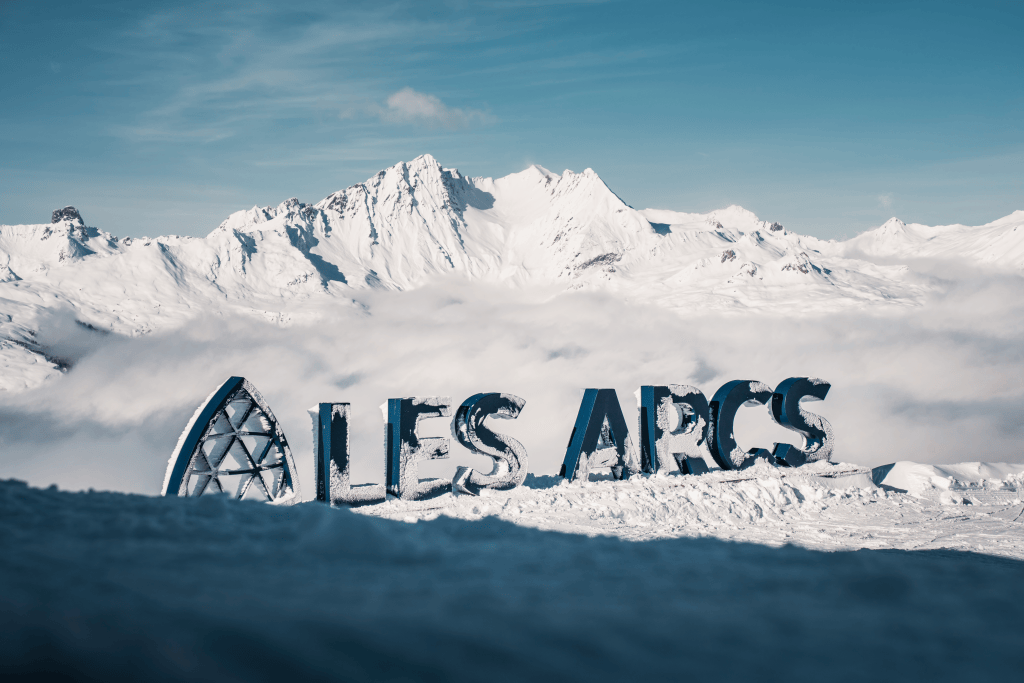
Choosing between La Plagne and Les Arcs isn’t easy. Both are major French ski destinations, both offer extensive high-altitude skiing and, most importantly, both form part of the enormous Paradiski area.
Together with Peisey-Vallandry, the two resorts provide access to 425km of pistes, connected by the Vanoise Express. If you’re already deciding where to stay, you can browse La Plagne chalets and Les Arcs chalets on Chalets Direct.
So what’s the difference?
The answer isn’t that one resort is better than the other. They simply have different characteristics, and those differences may make one a better fit for your particular ski holiday.
La Plagne offers a particularly wide choice of villages, skiing for all abilities and plenty of family-friendly facilities. Les Arcs combines high-altitude purpose-built resorts with excellent access to varied terrain, including some particularly impressive high-mountain and freeride skiing.
Here’s how they compare.
La Plagne vs Les Arcs at a glance
Resort La Plagne Les Arcs Ski area 225km of pistes 200km of pistes Paradiski 425km with Les Arcs & Peisey-Vallandry 425km with La Plagne & Peisey-Vallandry Highest point Around 3,080m on the current ski area 3,226m at Aiguille Rouge Best known for Variety, villages and skiing for all abilities High-altitude skiing, vertical and varied terrain Beginners Excellent choice Excellent choice Intermediates Excellent choice Excellent choice Advanced skiers Plenty of challenging terrain Particularly strong high-mountain and freeride options Families Excellent choice Excellent choice Village choice Very extensive Several distinct resort bases Après ski Varied by village Particularly lively around Arc 1800 Train access Via Aime-la-Plagne/Bourg-Saint-Maurice with onward transfer Direct rail access to Bourg-Saint-Maurice plus funicular to Arc 1600 Figures and facilities can change between seasons, so check the resort websites before booking.
Skiing in La Plagne
La Plagne has 225km of pistes, with 139 downhill runs covering all ability levels. Its terrain ranges from 1,250m to around 3,080m on the current ski area, with more than 70% of the ski area above 2,000m.
One of La Plagne’s biggest strengths is variety.
There are wide pistes for cruising, dedicated learning areas, tree-lined skiing and high-altitude terrain. The resort also has a good selection of more demanding red and black runs, as well as opportunities for off-piste skiing with appropriate equipment and professional guidance.
The different sectors also mean that you can choose your skiing according to the weather and conditions. On snowy or poor-visibility days, the lower tree-lined areas can be particularly enjoyable, while sunny days are ideal for heading higher into the mountain.
For families and mixed-ability groups, La Plagne has another significant advantage: there is plenty of terrain for everyone without requiring the whole group to ski together.
Skiing in Les Arcs
Les Arcs and Peisey-Vallandry have 200km of pistes, with 123 runs ranging from green to black. The highest point is the Aiguille Rouge at 3,226m.
The terrain is similarly varied, from high-altitude open slopes to lower, tree-lined skiing.
One of the defining features of Les Arcs is its impressive vertical. The Aiguille Rouge provides access to some spectacular high-mountain skiing, while Arc 2000 sits directly beneath the Aiguille Rouge massif and is particularly well positioned for accessing the higher terrain.
Les Arcs also has a long association with freeride and off-piste skiing, although there is plenty of terrain for beginners and intermediate skiers too. The resort itself describes Arc 2000 as suitable for all levels.
Which has the better skiing?
This really depends on what you enjoy.
If you like wide cruising pistes, varied sectors and the ability to adapt your skiing to different conditions, La Plagne is an excellent option.
If you particularly enjoy high-altitude terrain, long descents and the vertical offered by Aiguille Rouge, Les Arcs has plenty to appeal to you.
And there’s an important point that can easily get overlooked: you don’t necessarily have to choose between them.
With a Paradiski pass, you can ski both sides of the area, giving you access to 425km of pistes. The Vanoise Express connects La Plagne with Les Arcs and Peisey-Vallandry.
Which is better for beginners?
Both resorts are well suited to beginners.
La Plagne has dedicated learning areas and snow gardens, including facilities designed for young children. Its extensive network of lifts and pistes also means beginners can progress without quickly running out of terrain.
Les Arcs also has dedicated progression areas and beginner-friendly skiing. The resort’s 123 pistes include 18 greens and 55 blues, providing plenty of opportunities to progress.
If you’re choosing specifically for a first ski holiday, both are strong choices.
The more important question may be which village you stay in and how close your accommodation is to the beginner slopes and ski school.
Which is better for families?
Again, there is little between them.
La Plagne has a particularly strong family proposition, with dedicated children’s facilities, family-friendly ski areas and a large choice of accommodation locations.
Les Arcs also caters very well for families, with a range of activities and accommodation across its different resort bases.
For either resort, choosing the right village can make a bigger difference to your holiday than choosing between La Plagne and Les Arcs themselves.
Villages and atmosphere
This is probably one of the most noticeable differences.
La Plagne
La Plagne is made up of a collection of villages and resort bases rather than one single town.
There are high-altitude locations such as Belle Plagne, Plagne Centre and Plagne 1800, as well as lower and more traditional villages including Montchavin-Les Coches, Montalbert and Champagny-en-Vanoise.
That gives you a considerable choice of atmosphere and accommodation.
Want to be high up with easy access to the slopes? There are options for that.
Prefer a traditional village? There are options for that too.
This variety is one of La Plagne’s defining characteristics. If you’re looking for accommodation in the area, you can browse La Plagne chalets and apartments to compare the different options.
Les Arcs
Les Arcs has several distinct resort bases, including Arc 1600, Arc 1800, Arc 1950 and Arc 2000, each offering a somewhat different experience.
Arc 1800 has the liveliest atmosphere and a good selection of bars, restaurants and après-ski options.
Arc 1950 is a pedestrianised resort village with a more traditional Alpine appearance.
Arc 2000 is the highest of the main Arc resorts and is particularly convenient for skiers who want to maximise their time on the high mountain.
Arc 1600 has particularly convenient access from Bourg-Saint-Maurice.
So while La Plagne offers an especially broad choice of individual villages, Les Arcs provides several clearly defined bases with their own personalities. Browse Les Arcs chalets and apartments to see the accommodation available across the different resorts.
Après ski and nightlife
Neither resort is primarily known as a party destination in the way that some of the larger Alpine resorts are, but both offer plenty of opportunities for a drink or dinner after skiing.
The experience varies considerably depending on where you stay.
In La Plagne, Plagne Centre and Belle Plagne have a good selection of bars and restaurants, while some of the smaller villages offer a much quieter evening atmosphere.
In Les Arcs, Arc 1800 is generally the liveliest of the main bases, while Arc 1950 and Arc 2000 offer a more relaxed evening experience.
If après ski is important, choose your village carefully rather than simply choosing the resort.
Snow reliability
Both La Plagne and Les Arcs offer extensive high-altitude skiing.
La Plagne’s ski area extends to around 3,080m on its current published piste information, with more than 70% of its ski area above 2,000m.
Les Arcs reaches 3,226m at Aiguille Rouge, while 70% of the wider Paradiski area is above 2,000m.
Both therefore offer a good combination of high-altitude skiing and lower tree-lined terrain, making it possible to adapt where you ski to the conditions.
For snow reliability, there is little reason to choose one over the other purely on altitude.
Which is easier to get to?
Les Arcs has a particularly convenient rail connection.
Bourg-Saint-Maurice is served by the railway network, and from there the funicular provides direct access to Arc 1600.
La Plagne can also be reached by train, with Aime-la-Plagne and Bourg-Saint-Maurice providing rail connections followed by an onward transfer to the resort.
For visitors travelling without a car, Les Arcs may have the slight advantage in terms of simplicity, particularly if you’re staying in Arc 1600 or one of the connected resorts.
La Plagne or Les Arcs: which should you choose?
Rather than asking which resort is better, think about what matters most to you.
La Plagne could be a great choice if you:
- Want a wide choice of villages and accommodation
- Are travelling with a mixed-ability group
- Want plenty of family-friendly facilities
- Enjoy cruising and varied piste skiing
- Like having different sectors and exposures to explore
- Prefer the option of a traditional Alpine village as well as high-altitude accommodation
Les Arcs could be a great choice if you:
- Enjoy high-altitude skiing
- Like long descents and plenty of vertical
- Are particularly interested in freeride and more challenging terrain
- Want a choice of purpose-built high-altitude resorts
- Like the livelier atmosphere around Arc 1800
- Are travelling by train and value easy access from Bourg-Saint-Maurice
The verdict
La Plagne and Les Arcs are both excellent choices — and the differences are more about character than quality.
La Plagne’s biggest strength is its variety: a large ski area, numerous villages, terrain for all abilities and plenty of choice when it comes to accommodation and atmosphere.
Les Arcs combines high-altitude skiing, impressive vertical and varied terrain with a collection of distinctive resort bases, from the lively Arc 1800 to the high-mountain environment of Arc 2000.
And because they form part of the same 425km Paradiski ski area, choosing one doesn’t necessarily mean missing out on the other.
Ultimately, the best choice may come down to where you want to stay, what type of accommodation you’re looking for and which style of ski holiday suits your group.
Ready to start looking?
Browse La Plagne chalets or Les Arcs chalets on Chalets Direct and compare accommodation options for your ski holiday..Is La Plagne or Les Arcs better for beginners?Both La Plagne and Les Arcs are excellent choices for beginners, with dedicated beginner areas and plenty of gentle pistes for progressing. La Plagne may have a slight advantage for families and mixed-ability groups because of the variety of villages and terrain.
Which is better for families, La Plagne or Les Arcs?Both resorts are very family-friendly. La Plagne has a particularly wide choice of family-oriented villages and accommodation, while Les Arcs offers several convenient high-altitude bases. The best choice often comes down to which village suits your family.
Is La Plagne or Les Arcs better for advanced skiers?Both offer challenging skiing, including steep pistes and off-piste opportunities. Les Arcs is particularly well known for its high-altitude terrain and the long descent from Aiguille Rouge, while La Plagne also has plenty of demanding terrain to explore.
Can you ski between La Plagne and Les Arcs?Yes. La Plagne and Les Arcs are connected by the Vanoise Express cable car and form part of the 425km Paradiski ski area. A Paradiski pass allows you to explore both resorts, as well as Peisey-Vallandry.
Which has better après ski, La Plagne or Les Arcs?Both have a good choice of bars and restaurants, although the atmosphere varies considerably between villages. Arc 1800 is generally one of the livelier bases, while La Plagne offers a range of après-ski options across its different villages.
Which is easier to reach, La Plagne or Les Arcs?Les Arcs has an advantage for train travellers because Bourg-Saint-Maurice has a railway station with a funicular connecting to Arc 1600. La Plagne is also accessible by train via Aime-la-Plagne and Bourg-Saint-Maurice, followed by an onward transfer.
Which should I choose: La Plagne or Les Arcs?It depends on your group and what you want from your ski holiday. La Plagne offers an especially wide choice of villages and terrain for all abilities, while Les Arcs combines high-altitude skiing, impressive vertical and varied terrain. Both are excellent choices, and a Paradiski pass gives you the option of skiing both.
-
How to Get Fit for Skiing: Best Exercises & Ski Fitness Tips
How to Get Fit for Skiing: Best Exercises & Ski Fitness Tips
Skiing is physically demanding. Your legs work hard to control your turns, your core helps you maintain balance and stability, and your cardiovascular system has to keep you moving for several hours at a time.
The good news is that getting fit for skiing doesn’t have to mean spending hours in the gym.
A combination of simple strength exercises, cardiovascular fitness, balance work and activities you enjoy can help prepare you for your ski holiday. And the earlier you start, the better.
How to get fit for skiing
The best ski fitness programme combines four things:
- Leg strength and muscular endurance
- Core strength and stability
- Cardiovascular fitness
- Balance, coordination and mobility
You don’t need to train like a professional skier. For most recreational skiers, the goal is simply to make sure your body is prepared for the demands of skiing several hours a day, often for several consecutive days.
Ideally, start preparing four to eight weeks before your ski holiday. If you have longer, even better.
And if your holiday is only a few weeks away, don’t worry. Starting now is still better than doing nothing.
Why is ski fitness important?
Being fit for skiing isn’t just about skiing faster or tackling more challenging slopes.
Good fitness can help you:
- Ski for longer without your legs becoming exhausted
- Maintain better technique as you get tired
- Control your skis more effectively
- Cope with bumps and changing snow conditions
- Recover more easily between skiing days
- Enjoy more of your holiday on the mountain
Fatigue can affect your ability to maintain good technique and control, which is another reason to prepare your body before a ski holiday.
If you’ve ever found yourself sitting in a mountain restaurant at lunchtime because your legs simply can’t face another run, getting ski fit could make a noticeable difference.
What muscles do you use when skiing?
Skiing is a full-body activity, but your lower body does much of the work.
Your quadriceps, hamstrings and glutes help control your position, absorb changes in terrain and generate power. Your calves and ankles contribute to balance and control, while your core helps keep your upper body stable as your legs move.
This is why the best exercises for skiing aren’t just about doing endless squats.
You want a combination of strength, muscular endurance, balance and coordination.
The best exercises for skiing
You don’t need a complicated programme or lots of expensive equipment. Many of the most useful ski exercises can be done at home.
A note on ski fitness and exercise
The information in this article is intended as general fitness guidance and is not a substitute for personalised medical or fitness advice. If you have an existing injury, medical condition, or concerns about starting a new exercise programme, speak to a qualified healthcare professional before exercising. Start gradually, use good technique and stop if you experience pain or feel unwell.1. Squats
Squats are one of the simplest ways to strengthen the muscles you rely on when skiing. They work your quadriceps and glutes while also requiring your core to stabilise your body.
Start with bodyweight squats and concentrate on good technique. As they become easier, you can add resistance using dumbbells or other weights.
Good for: leg strength and muscular endurance.
2. Lunges
Lunges work each leg individually, making them a useful exercise for balance, stability and lower-body strength.
Try forward or reverse lunges, and consider adding lateral lunges to work the muscles involved in side-to-side movement.
Good for: leg strength, balance and stability.
3. Wall sits
Lean your back against a wall and lower yourself until your knees are bent, then hold the position.
Wall sits develop muscular endurance in the quadriceps and are particularly easy to add to a home workout. They are also one of the most commonly recommended exercises in ski-specific training programmes.
Good for: quad strength and endurance.
4. Step-ups
Step-ups are another simple exercise that works your legs and glutes while challenging your balance.
Use a sturdy step or low bench. Step up with one leg, bring the other foot up, then step down under control. Alternate legs.
As you become stronger, you can add light weights.
Good for: leg strength, balance and stability.
5. Calf raises
Your calves and ankles play an important role in maintaining control on skis.
Stand with your feet about hip-width apart and slowly raise your heels until you’re standing on the balls of your feet. Lower under control and repeat.
Good for: calf strength and ankle control.
6. Single-leg exercises
Skiing requires constant adjustments to your balance, so exercises that work one leg at a time can be particularly useful.
Try single-leg squats, single-leg deadlifts or simply standing on one leg while maintaining good posture.
Start with the easiest version and progress gradually.
Good for: balance, coordination and stability.
7. Planks and side planks
Don’t neglect your core when you’re getting fit for skiing.
A strong core helps you maintain stability and control while your legs are working, particularly when you’re dealing with uneven terrain or changing direction.
Planks and side planks are simple, effective exercises that require no equipment.
Good for: core strength and stability.
8. Lateral or “skater” movements
Skiing involves plenty of side-to-side movement, so it’s useful to include some lateral work in your training.
Once you’ve built a reasonable level of strength and balance, lateral step-outs or controlled skater movements can challenge your legs and coordination.
If you’re new to exercise, start with the step rather than jumping.
Good for: lateral strength, coordination and agility.
Don’t forget cardiovascular fitness
Being strong enough to ski isn’t the whole story. You also need enough cardiovascular fitness to keep going throughout a long ski day.
Running, cycling, swimming, rowing, brisk walking and hiking can all help build your aerobic fitness.
You don’t need to become a marathon runner. The important thing is to build your fitness gradually and consistently.
If you already cycle, run, swim or walk regularly, you’re probably getting a useful amount of cardiovascular training without having to add a completely new activity.
What sports are good for ski fitness?
One of the easiest ways to improve your fitness for skiing is to choose activities you actually enjoy. You don’t have to spend your summer doing ski-specific workouts.
Hiking: is an excellent all-round activity for skiers. Uphill walking builds leg and cardiovascular endurance, while uneven ground challenges your balance and stability.
It’s particularly useful if you live somewhere with hills or mountains, but even regular walking on flatter terrain can contribute to your overall fitness.
Best for: endurance, leg strength and stability.
Cycling: is a good low-impact way to develop cardiovascular fitness and leg endurance. Longer rides build stamina, while hills provide an additional challenge for your legs.
Cycling doesn’t reproduce all the movements involved in skiing, so combine it with some strength and balance work.
Best for: cardiovascular fitness and leg endurance.
Mountain biking: has plenty in common with skiing. Both involve balance, changing terrain, rapid reactions and choosing your line through the landscape. Mountain biking also gives your legs and core a workout while providing plenty of technical challenges.
Best for: balance, coordination, reactions and leg strength.
Running and trail running: an effective way to build cardiovascular fitness. Trail running adds uneven terrain and changes in direction, giving you an additional balance and agility challenge.
You don’t need to run long distances. Regular, manageable sessions are more useful than suddenly increasing your mileage before your ski holiday.
Best for: cardiovascular fitness, endurance and agility.
Tennis and padel: might not be the first sports you think of when it comes to ski fitness, but they have some useful similarities.
Both involve short bursts of movement, rapid changes of direction, balance and coordination. You also have to react to what’s happening rather than simply following a predictable movement.
They’re a great option if you want to improve your fitness while doing something social and competitive.
Best for: agility, reactions, coordination and fitness.
Swimming: is a useful low-impact cardiovascular workout. It works the whole body and provides a good alternative on days when you don’t want to put additional impact through your legs.
Best for: cardiovascular fitness, endurance and whole-body conditioning.
Yoga and Pilates: Ski fitness isn’t only about strength. Mobility, balance and body control also matter, and yoga and Pilates can complement more demanding activities such as running, cycling or tennis.
They’re particularly useful if you want to work on flexibility and core control while giving your body a lower-intensity workout.
Best for: balance, mobility, flexibility and core control.
How long before skiing should you start training?
Ideally, start your ski fitness programme four to eight weeks before your holiday. This gives you time to build strength and endurance gradually.
If you have several months, you can simply make fitness part of your normal routine rather than starting a dedicated pre-ski programme.
If you only have two or three weeks, don’t try to cram months of training into a few sessions. Start gradually and focus on consistency.
A simple weekly ski fitness routine
For a recreational skier, a straightforward week could look like this:
Monday: Strength training – legs and core
Tuesday: Cardio – cycling, running, swimming or brisk walking
Wednesday: Rest or gentle mobility
Thursday: Strength training – legs, balance and core
Friday: Cardio
Saturday: Hiking, cycling, tennis or another activity you enjoy
Sunday: Rest or gentle activity
You don’t have to follow this exact schedule. The important thing is to combine strength and cardiovascular training and allow yourself enough recovery.
A simple ski workout at home
If you want to keep things really straightforward, try building a home workout around:
- Squats
- Lunges
- Step-ups
- Wall sits
- Calf raises
- Planks
- Side planks
- Single-leg balance
Start with bodyweight exercises and increase the difficulty gradually.
If you’re new to exercise, start with fewer repetitions and shorter sessions rather than trying to do too much too soon. Short bursts of exercise throughout the day can also be a useful way to build more movement into your routine. For example, doing 10 squats while your coffee is brewing or a few calf raises during the day.
The aim is to arrive at your ski holiday feeling stronger and fitter — not exhausted before you’ve even packed your skis.
What about snowboarding?
Much of the same advice applies to snowboarders.
Snowboarding requires leg strength, core stability, balance, coordination and cardiovascular fitness, so many of the exercises that benefit skiers are equally useful for snowboarders.
Balance and core work are particularly useful, while exercises that strengthen the legs can help you cope with repeated turns and changes in terrain.
Whether you’re heading to the mountains on two skis or a snowboard, getting some preparation under your belt is likely to make those first few days more enjoyable.
You don’t have to train like a professional skier
Getting ski fit doesn’t mean spending every day in the gym.
If you’re already active, you may have a good foundation of fitness. Adding some targeted leg and core exercises in the weeks before your holiday can help prepare your body for the particular demands of skiing.
And there is no reason your preparation can’t be enjoyable.
Go for a hike. Get on your bike. Play tennis. Go swimming. Try mountain biking. Head out for a run.
Then add a couple of simple strength sessions each week.
The objective isn’t to arrive at your ski holiday in peak athletic condition.
It’s to arrive fit enough to enjoy every day on the mountain.
Ready for your next ski holiday?
Once you’ve done the work to get ski fit, the best part is deciding where to put that fitness to use.
Whether you’re looking for challenging Alpine terrain, a family-friendly ski resort or somewhere with a great après-ski scene, explore the ski chalets and ski holidays available through Chalets Direct.
Ski Fitness FAQ
How long does it take to get ski fit?You can start improving your ski fitness within a few weeks, although ideally you should allow around four to eight weeks of regular training before your ski holiday. Focus on a combination of leg and core strength, cardiovascular fitness, balance and mobility.
What is the best exercise for skiing?There isn’t one single best exercise for skiing. Squats, lunges, step-ups and wall sits are particularly useful for developing the leg strength and endurance you need on the slopes. Combine strength exercises with cardiovascular training and balance work for a more complete ski fitness programme.
How can I get fit for skiing at home?You can do a surprisingly effective ski workout at home without specialist equipment. Try squats, lunges, step-ups, wall sits, calf raises, planks and single-leg balance exercises. Add regular brisk walking, running or cycling for cardiovascular fitness. Start gradually and increase the difficulty as you get stronger.
How many weeks before skiing should I start exercising?Ideally, start preparing four to eight weeks before your ski holiday. This gives you time to build strength and cardiovascular fitness gradually. If you have several months, make regular exercise part of your normal routine rather than waiting for the weeks immediately before your trip.
Is running good for ski fitness?Yes. Running is a good way to improve cardiovascular fitness and endurance, both of which are useful when you’re skiing for several hours a day. Trail running can also challenge your balance and agility. However, running doesn’t specifically develop all the strength you need for skiing, so combine it with exercises such as squats, lunges and core work.
Are squats good for skiing?Yes. Squats strengthen your quadriceps and glutes, two of the muscle groups that work hard when you’re skiing. They also help develop lower-body endurance and stability. Start with bodyweight squats and focus on good technique before adding weights or increasing the number of repetitions.
How do I get fit for snowboarding?Much of the preparation for skiing also applies to snowboarding. Focus on leg and core strength, cardiovascular fitness, balance and coordination. Squats, lunges, step-ups, planks and single-leg exercises are useful, while activities such as cycling, hiking, running and mountain biking can help build overall fitness. Start preparing several weeks before your snowboarding holiday so you can build up gradually.
Interested in our snow fitness articles? How about how to build some training into your commute way to work, why balance matters and how to train it, and the best sports to help your ski fitness.
Need some inspiration? Here’s Mikaela Shiffrin, Olympic slalom gold medallist and one of the greatest skiers of all time, talking about her fitness routine.
-
Which Sports Are Best for Getting Fit for Skiing?
Which Sports Are Best for Getting Fit for Skiing?
If you want to get fitter for skiing, the obvious answer is to train your legs. Squats. Lunges. Cycling. Running. The gym.
All useful.
But skiing is not simply a test of how strong your legs are or how long you can exercise before getting tired.
A good skier has to balance, react, absorb, extend, rotate, control pressure, move their centre of mass and constantly adjust to changing snow and terrain.
In other words, skiing is a whole-body movement sport controlled by the nervous system.
So which other sports prepare you best?
The best sports for skiing are those that develop balance, proprioception, agility and the ability to react to changing terrain. Skating, mountain biking, surfing, tennis and basketball are particularly useful, while cycling and running provide valuable cardiovascular conditioning.
I’ve ranked them according to their overall transfer to skiing — not simply strength or cardio, but the combination of balance, proprioception, agility, reaction, coordination, power, rhythm and movement intelligence.
1. Inline Skating / Rollerblading
This is probably one of the most underrated forms of ski training.
Why?
Because you’re standing on two narrow platforms and constantly controlling your balance while moving laterally and forwards.
You develop:
- edge-like control
- ankle stability
- lateral leg strength
- dynamic balance
- weight transfer
- hip control
- rhythm
- coordination
- confidence moving on an unstable base
There is a particularly useful skiing connection.
You have to move your centre of mass while controlling the platform underneath you.
That’s very close to the fundamental problem of skiing.
Ski transfer: ★★★★★
Balance: Excellent
Proprioception: Excellent
Leg endurance: Excellent
Lateral movement: Excellent
CNS demand: Excellent
Cardio: Good–excellent2. Ice Skating
Ice skating is another outstanding ski cross-training sport.
You’re balancing on a very narrow blade while controlling pressure and edge angle.
That means your ankles, knees and hips are constantly making small adjustments.
You learn to:
- glide
- edge
- release
- change direction
- control pressure
- maintain balance while moving
And skating develops something that conventional gym training doesn’t:
feel.
You learn what it feels like when the platform underneath you is beginning to move away from you.
That’s highly relevant to skiing.
Ski transfer: ★★★★★
Balance: Exceptional
Edge awareness: Exceptional
Proprioception: Exceptional
Leg strength: Excellent
Rhythm: Excellent
Reaction: Excellent3. Mountain Biking
Mountain biking might be one of the best all-round sports for a skier.
You’re constantly reading terrain. Roots. Rocks. Drops. Corners. Changes in gradient. Loose surfaces.
Your body has to absorb the terrain while your brain processes what is coming next. Sound familiar?
A good mountain biker isn’t rigid. They allow the bike to move underneath them while keeping their body relatively stable. That is remarkably similar to skiing.
Ski transfer: ★★★★★
Terrain reading: Exceptional
Balance: Excellent
Reaction: Excellent
Dynamic stability: Exceptional
Lower-body control: Excellent
Cardio: Excellent
CNS demand: ExcellentIt also teaches you to look ahead rather than directly at the obstacle in front of you, which is extremely useful in skiing.
4. Skiing Itself
It sounds obvious, but nothing develops ski-specific movement better than skiing. And the best training isn’t necessarily skiing flat-out. Different types of skiing develop different qualities.
Piste skiing – develops edge control, pressure management and precision.
Bumps – develops absorption, reaction and lower-body independence.
Powder – develops balance, pressure control and three-dimensional movement.
Steeps – develop centre-of-mass control, commitment and precise edge management.
Variable snow – develops adaptability.
Short turns – develop rhythm, rapid edge changes and lower-body independence.
Ski transfer: ★★★★★+
Nothing else can completely reproduce the sensory information coming through the skis.
5. Surfing
Surfing is a fascinating cross-training sport for skiing.
You’re standing on a moving platform. The platform isn’t stable. The surface is constantly changing. You have to anticipate what is coming rather than simply react to it. And you have to move your centre of mass efficiently.
Surfing develops:
- balance
- proprioception
- dynamic stability
- reaction
- rhythm
- hip mobility
- trunk control
- anticipation
The biggest transfer is feel. A good surfer doesn’t fight the board. They move with it. That’s very similar to good skiing.
Ski transfer: ★★★★★
6. Skateboarding
Skateboarding develops extraordinary balance and movement awareness. You learn to control a platform that is capable of moving underneath you very quickly.
It develops:
- ankle control
- balance
- weight transfer
- rotational awareness
- reaction
- spatial awareness
- confidence with instability
It also teaches you something important for skiing: don’t panic when the platform moves. You learn to allow movement rather than stiffening against it.
Ski transfer: ★★★★½
The downside is that it isn’t particularly good for cardiovascular conditioning.
7. Basketball
Basketball is one of the best sports for the neuromuscular side of ski fitness. Think about the movement:
Sprint. Stop. Jump. Land. Shuffle. Change direction. React. Accelerate again.
That’s excellent preparation for skiing.
Basketball develops:
- explosive leg power
- eccentric strength
- deceleration
- lateral movement
- reaction
- spatial awareness
- coordination
- balance
And landing repeatedly is excellent preparation for the forces experienced during aggressive skiing.
Ski transfer: ★★★★½
8. Tennis
Tennis is another excellent movement sport.
A tennis player constantly:
- accelerates
- brakes
- changes direction
- rotates
- balances
- reacts
- anticipates
And the movement is rarely symmetrical.
You are constantly loading one leg, moving laterally and rotating your body.
That develops excellent:
coordination + reaction + footwork + trunk control.
The transfer isn’t as direct as skating or mountain biking, but the overall athletic qualities are excellent.
Ski transfer: ★★★★½
9. Gymnastics
Gymnastics develops something very few other sports develop to the same degree: body awareness.
Gymnasts know where their body is in space.
They can control:
- rotation
- inversion
- balance
- landing
- tension
- relaxation
- spatial orientation
For skiing, this is incredibly valuable.
You don’t need to become a gymnast.
But gymnastics-style movement training can dramatically improve your awareness of where your body is while moving.
Ski transfer: ★★★★½
10. Martial Arts
Martial arts are excellent for developing the nervous system.
A fighter has to constantly:
- read another person
- anticipate movement
- react
- change direction
- maintain balance
- rotate
- accelerate
- decelerate
And they learn to produce force from the ground rather than simply from the arms.
That has a strong connection with skiing.
Ski transfer: ★★★★☆
11. Football / Soccer
Football provides excellent general athletic preparation.
It develops:
- aerobic capacity
- acceleration
- deceleration
- agility
- spatial awareness
- reaction
- balance
- coordination
And players are constantly looking ahead and anticipating where movement is going to occur.
That’s valuable for skiing because good skiing involves anticipation rather than simply reaction.
Ski transfer: ★★★★☆
12. Rock Climbing
Climbing doesn’t look much like skiing. But it develops an extremely valuable quality: proprioception.
A climber has to know where their hands, feet, hips and centre of mass are without constantly looking at them. They learn to distribute their weight efficiently rather than simply using maximum strength.
That has a surprising connection with skiing.
Ski transfer: ★★★★☆
13. Dance
Dance is hugely underrated as ski training.
It develops:
- rhythm
- balance
- coordination
- footwork
- body awareness
- weight transfer
- movement sequencing
- musical timing
A good skier has rhythm. Turns aren’t simply individual events. They flow into one another. Dance can help develop that sense of continuous movement.
Ski transfer: ★★★★☆
14. Cycling
Cycling is excellent for the cardiovascular and muscular demands of skiing.
It develops:
- aerobic fitness
- leg endurance
- cardiovascular capacity
- some muscular endurance
But it doesn’t challenge dynamic balance, reaction or lateral movement very much.
So it’s excellent conditioning but less useful as a complete movement preparation sport.
Ski transfer: ★★★☆☆
15. Running
Running is similar.
It’s fantastic for general cardiovascular fitness and provides some lower-body conditioning.
Trail running is considerably more useful for skiing than road running because it adds:
- uneven terrain
- balance
- foot placement
- reaction
- proprioception
- downhill control
So I’d put trail running considerably higher than conventional road running.
Ski transfer: ★★★☆☆
What about the gym?
This is where I think skiers sometimes get confused – and it’s easy to get confused when you see world cup skiers such as Mikaela Shiffrin or Laurie Taylor post their gym workouts on instagram. Strength workouts are important of course. Gym training can make you extremely strong. But strength isn’t skiing.
A skier needs to be able to apply force while:
- moving
- balancing
- rotating
- absorbing terrain
- changing direction
- reacting
A heavy squat develops force production. A single-leg squat develops unilateral strength and stability. A lateral jump develops explosiveness. But none of these completely reproduces skiing.
The gym is therefore best regarded as a foundation underneath your movement skills.
The sports I’d choose for a complete skier
If I could build the ultimate off-season programme, I wouldn’t choose one sport. I’d combine several.
For balance and proprioception: Skating + surfing + skateboarding
For terrain and reaction: Mountain biking + trail running
For explosive movement: Basketball + tennis
For body awareness: Gymnastics + dance + climbing
For cardiovascular conditioning: Cycling + running
For strength: Targeted gym training
And, of course, for skiing: Ski.
Nothing else gives your nervous system the exact information coming through the boots, bindings and skis.
The most important thing isn’t fitness
This is perhaps the biggest lesson. Two people can have exactly the same cardiovascular fitness and completely different skiing ability.
One may be able to run for an hour and squat enormous weights. The other may be less conventionally “fit” but have:
- superb balance
- excellent proprioception
- fast reactions
- efficient movement
- excellent ankle control
- strong centre-of-mass awareness
- great rhythm
- exceptional terrain adaptation
The second skier may be dramatically better. That’s because skiing isn’t just about producing force. It’s about organising force.
Your nervous system has to decide where your body should be, how much pressure to apply, when to release it and how to respond when the snow doesn’t do what you expected.
That’s why sports such as skating, mountain biking, surfing and basketball are so valuable. They don’t just make you fitter. They make you better at moving.
And ultimately, that’s what you want before you arrive at the mountain. Not simply bigger legs. Not simply a bigger aerobic engine.
A body that is ready to balance, react, absorb, move and adapt.
Ready to start your post-summer, pre-winter training programme? We’ll be posting more about this specific topic over the next few weeks!
In the meantime if you’re looking at booking your next ski holiday take a look at Chalets Direct or try our legendary Solutions Room where you post what you’re looking for and let the answers come back to you!
-
Méribel or Val d’Isère: Which Is Right for Your Ski Holiday?
Méribel or Val d’Isère: Which Is Right for Your Ski Holiday?
An independent comparison of skiing, snow, accommodation, families, après ski, accessibility and value.


If you’re trying to decide between Méribel and Val d’Isère, you’re choosing between two of the great ski resorts of the French Alps.
I’ve skied both resorts over many years, and I don’t think there is a simple answer to which is “better”. They offer quite different ski holidays, and the right choice really depends on what matters most to you.
Méribel is particularly strong for mixed-ability groups, families, intermediates and anyone who wants to explore a huge interconnected ski area.
Val d’Isère is particularly appealing if you prioritise high-altitude skiing, challenging terrain, snow reliability and après-ski.
Both are outstanding resorts. The trick is working out which one is right for your group.
Méribel vs Val d’Isère at a glance
If you want… I’d look first at… A huge interconnected ski area Méribel High-altitude skiing Val d’Isère A mixed-ability group Méribel Advanced and challenging skiing Val d’Isère Beginner-friendly convenience Méribel Snow reliability Val d’Isère A lively après-ski scene Val d’Isère A family ski holiday with beginners Méribel A family ski holiday with teens Val d’Isère A traditional chalet holiday Méribel A concentrated, sophisticated ski village Val d’Isère Lots of different accommodation locations Méribel Exploring different valleys every day Méribel That’s only a starting point, though. Here’s how I’d think about the two resorts in more detail.
The biggest difference: where they sit
Méribel is right in the middle of the Three Valleys, giving you access to one of the world’s largest interconnected ski areas.
From Méribel, you can ski towards Courchevel, Les Menuires and Val Thorens as well as exploring the Méribel valley itself.
For me, this is Méribel’s biggest advantage.
You can spend one day skiing towards Courchevel, another heading over towards Val Thorens and another simply exploring Méribel. If you enjoy covering a lot of ground and skiing somewhere different every day, it’s a fantastic base.
Val d’Isère sits at the head of the Tarentaise valley and is linked directly with Tignes to form the Tignes–Val d’Isère ski area.
The character is different. The skiing is high, the mountain scenery is spectacular and there is a particularly strong feeling that you’re in a serious ski resort with the mountains at its heart.
If exploring a huge interconnected area is the priority, I’d look closely at Méribel. If high-altitude mountain skiing is the priority, Val d’Isère is very hard to beat.
Which has the better skiing?
This is probably the hardest question to answer.
Méribel’s great strength is its position.
The Three Valleys gives you an enormous amount of terrain, and Méribel is an excellent jumping-off point. There is plenty of skiing for every ability, and stronger skiers can spend the week exploring different valleys without getting bored.
Val d’Isère feels different.
The Tignes–Val d’Isère area has high open slopes, steep pistes, long descents and plenty of challenging terrain. For an experienced skier, there is a lot to get excited about.
The famous Face de Bellevarde is one of the obvious challenges, but there is much more to Val d’Isère than one famous run. The area also has extensive off-piste opportunities for experienced skiers travelling with the right equipment and knowledge, or with a qualified guide.
So if you’re asking me which has the best skiing, I’d say it depends on what you enjoy.
Méribel has the advantage if you love variety and exploring a massive interconnected area. Val d’Isère has a particular appeal if you enjoy high, steep and challenging mountain terrain.
Which is better for intermediate skiers?
I’d give both a very strong recommendation.
Méribel is particularly good if you enjoy cruising long pistes and gradually exploring a huge area. The central position means that an intermediate skier can make progressively bigger journeys without immediately having to tackle difficult terrain.
Val d’Isère also has excellent intermediate skiing, and the scale of the Tignes–Val d’Isère area means there is plenty to explore.
One thing I particularly like about Val d’Isère is that you can combine the higher mountain skiing with more sheltered terrain when conditions change.
If you’re an intermediate skier who likes long days exploring, I’d be very happy recommending either.
What about beginners?
Méribel has a slight advantage here for many first-time visitors simply because of the way the resort is laid out and the variety of beginner-friendly terrain.
Méribel Centre is particularly convenient for beginners because the main ski area, ski schools, shops and restaurants are close together.
But don’t write off Val d’Isère.
It has invested heavily in making the resort accessible to beginners, with dedicated learning areas, gentle slopes and easy-access lifts.
For a complete beginner, I’d actually pay more attention to where you stay within the resort than to choosing Méribel versus Val d’Isère.
A conveniently located property can make a much bigger difference to your first few days.
Which is better for advanced skiers?
This is where personal preference becomes particularly important.
If you’re an advanced skier, Val d’Isère has a particular appeal.
Méribel has plenty to keep a strong skier interested. The Three Valleys gives you an enormous amount of terrain, including challenging pistes and extensive off-piste possibilities.
But Val d’Isère combines altitude, steep terrain, challenging pistes and a reputation for serious skiing in a way that makes it especially attractive to experienced skiers.
If you enjoy technical skiing, steep slopes and high mountain terrain, I’d look very closely at Val d’Isère.
If you’re an advanced skier who is more interested in exploring a massive area and skiing somewhere different every day, Méribel could still be exactly what you’re looking for.
Which has better snow?
This is another question where I’d resist the temptation to declare a winner.
Val d’Isère’s altitude is certainly an advantage. Much of the Tignes–Val d’Isère ski area is above 2,000m and the highest skiing reaches more than 3,000m. The resort specifically highlights its snow reliability through the season.
Méribel has a different geography, with skiing at a range of altitudes and aspects and access to the higher Three Valleys terrain.
In practice, snow quality is going to depend on when you go, the recent weather and where you ski that day.
And that’s one of the reasons I like the Three Valleys so much: you have an enormous amount of terrain and different aspects to explore.
If snow reliability early or late in the season is your overriding concern, I’d pay particularly close attention to altitude and the exact dates of your trip rather than simply choosing a resort based on reputation.
Which has the better chalet choice?
Both are excellent choices for a chalet holiday.
Méribel has a particularly strong chalet tradition and a wide range of catered and self-catered properties across Méribel Centre, Méribel Village, Les Allues, Mottaret and even Brides-Les-Bains. Chalets Direct currently lists everything from smaller properties to larger sole-occupancy catered chalets.
Val d’Isère also has a substantial selection of chalets, apartments and hotels, ranging from traditional properties to some very high-end accommodation. Chalets Direct’s Val d’Isère selection includes catered and self-catered accommodation as well as luxury chalets and short-break options.
Rather than asking “Which resort has better chalets?”, I’d ask:
“What type of chalet do I want, and where do I want to be?”
That question is much more important.
Where should you stay in Méribel?
This is one area where Méribel gives you a lot of choice – and having stayed in Méribel several times over the years, I think this is something people often underestimate.
Méribel Centre is the obvious choice if you want convenience. You’re close to lifts, ski schools, shops, restaurants and après-ski.
Méribel Village is quieter and has a more intimate feel, making it particularly appealing to families and people who don’t need to be right in the middle of the action.
Les Allues has more of a traditional village atmosphere and can be a good choice if you want something less purpose-built.
Mottaret is higher and particularly convenient for skiing, making it worth considering if ski access is your priority.
Brides-Les-Bains is a little spa town in the valley just a few miles from Moutiers. The Olympic gondola runs from early to late and takes you up to Méribel centre in around 25 minutes. Certainly in high season Brides can offer cheaper accommodation options.
Choosing the right part of Méribel can be almost as important as choosing Méribel itself.
Méribel Centre or Val d’Isère village?
This is an interesting comparison.
Méribel Centre has a classic Alpine feel and is the main hub of the resort. It is particularly convenient if you want to walk to the lifts, ski schools, shops, restaurants and après-ski.
Val d’Isère’s village is more concentrated and has a lively, sophisticated atmosphere. Everything feels close together, which is particularly convenient if you want to ski, eat, drink and go out without spending much time getting around.
So I’d say:
Choose Méribel if you like having different village areas and accommodation styles to choose from. Choose Val d’Isère if you want a concentrated, lively ski village where everything is close at hand.
Which has better après-ski?
This is one area where I’d give Val d’Isère the edge.
It has one of the strongest après-ski reputations in France, with a huge choice of bars and restaurants and a lively atmosphere that carries on well after the lifts close.
La Folie Douce and Cocorico are two of the best-known names, but there are plenty of other places to go.
Méribel has a very good après-ski scene too. It has its own Folie Douce, while Le Rond Point, or “The Ronnie”, is a legendary piste-side après-ski venue above Méribel Centre.
Méribel is certainly not short of nightlife.
But if après-ski is one of the main reasons you’re going skiing, I’d look very closely at Val d’Isère.
If you want a good balance between skiing, restaurants, bars and a traditional chalet holiday, Méribel is still an excellent choice.
Which is better for families?
Both are excellent family resorts.
Méribel has a particularly good family proposition because there is so much choice in where you stay. Méribel Village, for example, can suit families looking for something quieter, while Méribel Centre is better if convenience and being close to the action are more important.
Val d’Isère is also very family-friendly, with dedicated children’s facilities, beginner areas and a strong range of family activities. Its Famille Plus status reflects the infrastructure and services aimed at families.
For me, the decision comes down more to the age and skiing ability of your children — and the location of your accommodation — than to the resort itself.
For families with very young or beginner skiers, I’d probably look first at Méribel.
For families with older children who are already confident skiers and want a lively resort with lots going on, Val d’Isère becomes very attractive.
Which is better for a mixed-ability group?
This is one area where I particularly like Méribel.
If you’ve got a group containing beginners, intermediates and very good skiers, the Three Valleys gives everyone enormous scope.
The stronger skiers can head off towards Courchevel or Val Thorens while less experienced members of the group can stay closer to Méribel.
You can then meet for lunch or après-ski.
Val d’Isère works well for mixed groups too, particularly because there is such a broad range of terrain in the Tignes–Val d’Isère area.
But if your group has very different abilities and everyone wants to explore a lot, Méribel’s central position is a significant advantage.
Which offers better value?
Neither Méribel nor Val d’Isère is a budget ski resort.
Both have a substantial choice of expensive luxury accommodation, but both also have properties at different price points.
For me, value is much more about what you’re getting for your money than simply looking at the headline price.
A slightly cheaper property that requires a bus journey every morning may not feel like good value compared with a chalet that’s a few minutes’ walk from the lifts.
Likewise, a more expensive resort can work out well if you can walk everywhere and don’t need to spend money on taxis or transport.
I’d therefore compare the total holiday experience, rather than simply comparing accommodation prices.
This is another reason why choosing your accommodation carefully matters.
Which is easier to get to?
Both resorts are accessible from the main airports serving the French Alps, although transfer times can vary considerably depending on traffic, weather and the time of year.
For either resort, I’d look at the whole journey rather than simply asking which airport is closest.
If you’re travelling during a busy school holiday week, a transfer that looks short on paper can take considerably longer in heavy traffic.
For me, accessibility wouldn’t be the deciding factor between the two. I’d choose the resort first and then look carefully at the best transfer option for your dates.
So, Méribel or Val d’Isère?
After skiing both resorts over the years, I wouldn’t choose one without knowing who I was travelling with.
I’d probably lean towards Méribel for a family or mixed-ability group because of its position in the Three Valleys and the sheer variety of skiing available.
For a group of strong skiers who care particularly about high-altitude terrain, snow reliability and après-ski, I’d be very tempted by Val d’Isère.
And if I were booking a ski holiday for myself, the accommodation and its location would probably be the final deciding factor.
There isn’t a universal winner.
Méribel is an exceptionally versatile base for exploring the Three Valleys. Val d’Isère has a distinctive combination of high-altitude skiing, challenging terrain and a lively village atmosphere.
Both will deliver a fantastic week’s skiing.
The important thing is working out which one fits your group.
Find your accommodation
If Méribel sounds like the right fit for your group, you can explore the current selection of Méribel chalets and ski accommodation on Chalets Direct.
If Val d’Isère sounds more like your sort of holiday, take a look at Val d’Isère chalets and ski accommodation.
The important thing isn’t choosing the “best” resort.
It’s choosing the resort — and the property — that’s best for you.
David Hughes CEO
-
Top Reasons to Visit Les Gets in August
Les Gets is a traditional Haute-Savoie village with just as much to offer when the snow disappears. In August, the mountains around Les Gets turn green, the lifts carry walkers and mountain bikers rather than skiers, and the village comes alive with events, outdoor activities and summer sunshine.
From spectacular mountain scenery and world-class mountain biking to family-friendly activities and excellent food, Les Gets in August is a great choice for a summer holiday in the French Alps.

Les Gets panorama ©Manon Guenot, OT Les Gets Here are some of the best reasons to visit.
1. Enjoy the mountains without the winter crowds
August is a wonderful time to experience the landscape around Les Gets from a completely different perspective.
The ski slopes are transformed into green mountain pastures filled with wildflowers, while the surrounding forests and high-altitude trails provide plenty of opportunities to get out into the fresh mountain air. With summer lifts operating, you don’t always have to tackle a steep climb to enjoy the best views either.
One of the highlights is Mont Chéry, where walking trails offer impressive views towards Mont Blanc. The Chavannes side of the resort is particularly well suited to families, with gentler paths, mountain pastures and accessible trails.
Whether you want a serious hike or simply a scenic walk followed by lunch on a mountain terrace, August gives you plenty of options.
2. Les Gets is a paradise for mountain bikers
If you love two wheels, Les Gets should be high on your list of Alpine destinations.
The Les Gets BikePark has 128km of marked mountain-bike trails, with routes ranging from flowing trails and fun areas to more technical terrain. The Chavannes side is particularly well known for its jumps and flowing tracks, while Mont Chéry offers a wilder and more technical experience.
And you don’t have to be an expert to enjoy cycling here. There are facilities and trails suitable for different abilities, as well as opportunities for electric mountain biking.
The BikePark is fully operational throughout August, with lifts providing access to the higher trails.
3. See the world’s best riders in action
There is an especially good reason to put August 2026 in your diary.
The UCI Mountain Bike World Cup returns to Les Gets from 20–23 August 2026, bringing some of the world’s best riders to the resort for four days of competition. The programme includes Cross-Country Short Track, Downhill and Cross-Country Olympic events.
Even if you’re not a mountain biker yourself, it’s a spectacular event to watch, with elite riders tackling some of the same terrain that makes Les Gets such a famous cycling destination.
Best of all, spectator access to the event is free.
If you’re looking for a lively time to visit Les Gets this summer, the week of the World Cup is an obvious choice.

4. There’s plenty for families to do
Les Gets works particularly well for a family summer holiday because you don’t need to be an experienced hiker, cyclist or adrenaline-seeker to enjoy the mountains.
You can take the lifts into the mountains, follow easy walking trails, explore the countryside, enjoy family cycling or spend time around Lac des Écoles.
For something a little more energetic, the lake is also home to the Wibit inflatable water park, with slides, climbing walls, trampolines and other obstacles on the water.
The summer programme also includes family activities, creative workshops, entertainment and events, so there is usually something to do when you want a break from the mountains.
Another attraction is Alta Lumina – an evening illuminated walk through the forest. Alta Lumina is the first of its kind in Europe and is a multi-sensory fairytale world for all the family.
5. Explore the wider Portes du Soleil
Staying in Les Gets also gives you access to the enormous Portes du Soleil area, stretching across the French-Swiss border.
The summer Multi Pass provides access to more than 70 activities across the 12 Portes du Soleil resorts, including selected lifts, swimming pools, mountain lakes, mini golf, climbing facilities, museums and other attractions.
That makes Les Gets a particularly good base if you want to explore beyond one resort during your holiday.
You could spend one day hiking around Les Gets, head over to another Portes du Soleil village the next day, and then spend a quieter afternoon enjoying the village itself.
6. Enjoy spectacular Alpine views
One of the best things about a summer holiday in Les Gets is that you can reach some extraordinary viewpoints without necessarily having to undertake a challenging hike.
The summer lifts make it easy to gain altitude, while trails around Mont Chéry and the Chavannes area provide access to panoramic views across the surrounding mountains.
Mont Chéry is particularly impressive, with walking routes overlooking the Mont Blanc range. The Crêtes du Mont-Chéry trail, for example, follows the ridgeline with expansive mountain views along the way.
For those who prefer admiring the scenery to walking through it, there are also plenty of mountain restaurants and terraces where you can sit back and take in the view.
7. It’s not just about mountain biking
Although Les Gets has an international reputation for cycling, you don’t have to get on a bike to enjoy a summer holiday here.
Golfers can play the 18-hole Golf des Gets, a mountain course surrounded by forests and mountain scenery with views towards Mont Blanc. There is also a driving range, putting green, teaching facilities and a restaurant, making it an option for golfers of different abilities.
You can also enjoy activities such as swimming, climbing, walking, sightseeing and exploring the traditional villages of the wider Portes du Soleil.
This variety makes Les Gets a good option for groups where everyone doesn’t necessarily want to spend the day doing the same thing.

Photo courtesy of Lesgets.golf 8. The village has a lively summer atmosphere
Les Gets isn’t simply a place to sleep after a day in the mountains. The village itself is a big part of its appeal.
Throughout the summer there are concerts, shows, workshops, family activities, cultural events and food-focused experiences. The 2026 summer programme includes events such as the Pottery Festival, Fête du Vieux Village, Gourmet Rally and the UCI Mountain Bike World Cup.
That means you can combine an active day in the mountains with an evening enjoying the restaurants, bars and atmosphere in the village.
9. August is perfect for an Alpine food holiday
After a day spent hiking or cycling, there’s nothing better than sitting down to a long lunch with a view.
The Haute-Savoie is famous for its cheeses and traditional mountain cuisine, and summer is a great time to enjoy local specialities without necessarily needing the hearty winter dishes that dominate après-ski menus.
Look out for local cheeses, charcuterie, tartiflette and other Savoyard specialities, as well as fresh summer produce and regional dishes served on sunny terraces.
And if you are staying in a chalet, having your own kitchen and outdoor space makes it easy to enjoy relaxed meals together after a day exploring the mountains.
10. You can make your August holiday as active – or relaxed – as you like
Perhaps the biggest reason to visit Les Gets in August is its flexibility.
You can spend the morning mountain biking, stop for lunch overlooking Mont Blanc and then head back to the village for a swim. Or take the lift to Mont Chéry, enjoy a leisurely walk and spend the afternoon relaxing on a terrace.
Families can mix outdoor adventures with activities around the lake, while couples might prefer hiking, golf, mountain restaurants and exploring the surrounding villages.
And for serious cyclists, August 2026 offers the added excitement of watching the world’s best riders compete in the UCI Mountain Bike World Cup.
In other words, you don’t have to choose between an active mountain holiday and a relaxing summer escape. In Les Gets, you can have both.
Why visit Les Gets in August?
Les Gets offers a very different Alpine experience in summer, but that doesn’t mean it loses the qualities that make it such a popular winter destination.
Instead of snow-covered pistes, you’ll find flower-filled mountain pastures and forest trails. Instead of ski lifts carrying winter sports enthusiasts, you’ll see walkers and cyclists heading up the mountain. And instead of quiet winter evenings, you’ll find a lively village full of restaurants, events and summer activities.
For mountain biking, hiking, families, food, spectacular scenery and a genuine Alpine village atmosphere, Les Gets is one of the best places to experience the French Alps in August.
Find your accommodation options in Les Gets!
Are you interested in visiting the Alps in summer? Find out about summer events in Chamonix and Morzine too.
Get the Latest and Greatest Holiday Offers!
