


























-
First snowfall in the Alps – check out our Latest ski holiday offers now!

Bellevarde webcam 2688m, Val d’Isere, at 12.20 24th September It’s snowing! Webcams from several resorts are showing the first significant snowfall and we’re excited!
What better time to sign up for our Latest & Greatest newsletter so that you’re ready to snap up an awesome offer for your next ski holiday!
From now and throughout the winter we’ll be sending out our Latest and Greatest newsletters.
This is where you’ll find some of our top offers and promotions to get you out and on the slopes.
Our latest has just gone out today and you can find it here!
This week’s highlights include:
- 15% of Christmas in Serre Chevalier at the luxurious Chez Bear Ski Lodge
- Book for 8 and get 1 place free in Austria at Chalet Mur
- 40% off lift passes for spring skiing in the amazing Paradiski ski area
- Christmas in Magical Morzine with 25% off
and there’s much more – you can find these awesome offers here! Plus we have a massive range of winter promotions, which are regularly updated, on our promo pages on Chalets Direct!
Don’t miss out – sign up here to get your own regular mail-out!
-
The Chalets Direct Solutions Room: Your Shortcut to the Perfect Ski Holiday
Planning a ski holiday should be exciting — picturing fresh mountain air, snowy peaks, and cosy evenings by the fire. Choosing your ski holiday is a big decision – there are a lot of moving parts and getting the right combination can be time consuming.
That’s where the Chalets Direct Solutions Room can change everything.
What is the Solutions Room?
The Solutions Room is a unique feature of Chalets Direct. It’s a great alternative way to find your ski holiday. You post what you’re looking for — your dates, group size, budget, and any special requirements.
Once your request is live, chalet and apartment owners who fit your criteria can get in touch directly with their best offers.
It flips the booking process on its head: instead of chasing availability, the right options find you.
Why use it?
- Tailored to you: receive offers that match your exact needs.
- Direct contact: speak straight to the people who run the chalets and know the resort.
- Ideal for groups: makes organising multi-family or group trips much easier.
- Great for last minute getaways: when you’ve seen there’s just been a big dump of snow and you want to know what’s available for next weekend.
How does it work?
- Head to the Solutions Room.
- Fill in a quick form with your holiday details and preferences.
- Relax and wait while chalet owners and operators respond.
- Browse the offers, ask questions, and choose the one that suits you best.
It’s that simple — and there’s no obligation to book if nothing feels right.
Who is it for?
The Solutions Room works for everyone:
- Families who want a hassle-free booking process.
- Groups of friends trying to balance different budgets and priorities.
- Skiers and snowboarders hunting for something special, whether it’s ski-in/ski-out, a hot tub, or a catered chalet experience.
- Last minute bookers who fancy a quick getaway and want to find some last minute availability.
Ready to try it?
Finding your dream ski holiday doesn’t have to be complicated. The Chalets Direct Solutions Room puts you in control, saves you time, and makes planning simple.
👉 Post your request today and let the mountains come to you!

Find the Joy in Val d’Isere – or Méribel, or Verbier, or Cervinia, or Serre Chevalier, or St Anton, or Chamonix, or ….
-
Why Autumn is Ideal for Planning Your Ski Holiday
From Falling Leaves to Falling Snow: Why Autumn is the Best Time to Book Your Ski Holiday!


As the days grow shorter and the air takes on that familiar autumn crispness, nature begins its spectacular golden finale. Leaves crunch underfoot, mornings feel cooler, and evenings call for blankets and firesides. For many, autumn is a season of comfort and reflection. But for skiers and snowboarders, it means something else too: the countdown to winter has begun.
While you’re enjoying the last of the autumn sunshine, the mountains are quietly preparing for their big transformation. Before long, those fiery trees will be blanketed in snow, lifts will start turning, and the slopes will come alive. The question is: will you be there to experience it?
Why Autumn is the Smart Time to Book
Booking a ski holiday in autumn might not feel urgent — after all, the snow hasn’t even arrived yet. But this is actually the moment when being prepared pays off:
- Best Choice of Properties and Dates: The most sought-after chalets and apartments always go first. Booking now ensures you get the accommodation, resort, and travel dates you want.
- Early-Bird Offers: Many chalet providers run special discounts or added-value deals in the autumn — from free lift passes to reduced rates on off-peak weeks.
- Peace of Mind: Secure your ski trip now, and you can relax through the busy run-up to Christmas knowing your winter escape is sorted.
Think of it like first tracks on a powder day — the earlier you make your move, the better your rewards.
Autumn Is All About Anticipation
There’s something magical about autumn for mountain lovers. The season feels like a bridge between two worlds: the cozy warmth of late harvest days, and the crisp, exhilarating promise of snow. Every falling leaf feels like a step closer to falling flakes.
This sense of anticipation is half the joy. While non-skiers are busy buying pumpkin spice candles, skiers are checking webcams, watching long-range forecasts, and dreaming of that first run down their favourite piste. Booking now means you’re not just dreaming — you’re counting down with purpose.
What’s Waiting for You This Winter
Picture this:
- Waking up in your chalet to fresh snow sparkling outside the window.
- Breathing in crisp alpine air as you clip into your skis for the first run of the day.
- Sharing long, laughter-filled lunches on a mountain terrace with views that stretch for miles.
- Enjoying après-ski with friends, mulled wine or vin chaud in hand.
- Returning to the comfort of your chalet — warm fires, hearty dinners, and the kind of relaxation only the mountains can provide.
Whether you’re chasing powder, planning a family getaway, or looking forward to après-ski fun, a ski holiday is about so much more than just skiing — it’s about experiences, memories, and connection.
Don’t Miss Out
Every year, we hear from people who waited just a little too long to book, only to find their preferred chalet, resort, or holiday week sold out. The truth is, autumn is the season of opportunity. Get in now, and you’ll secure the pick of the bunch. Wait too long, and you risk missing out.
At Chalets Direct, we make it easy to find and book your perfect ski holiday. From cozy alpine retreats to luxury lodges with all the extras, our handpicked collection has something for every style and budget. Check out what’s available now – and if you’re looking for ideas try the Solutions Room!
The Mountains Are Calling
So, while you’re enjoying autumn’s beauty, don’t forget what’s just around the corner. Snow, slopes, and adventure are waiting. Book your ski holiday this autumn, and when the first flakes fall, you’ll know you’ve got your escape to the mountains all lined up.
Golden leaves today. Powder days tomorrow. The mountains are calling — will you answer?
-
February Ski Holidays – make sure you’re part of the SASS!
Master Safe Accurate Skiing & Snowboarding (SASS) for an Unforgettable Ski Holiday
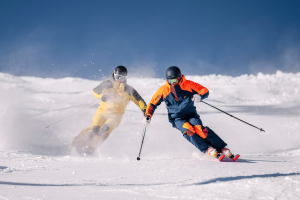 There's no doubt, skiing is an exhilarating winter sport that combines adventure, skill, and breathtaking landscapes – and many of us would gladly forego our summer breaks if we had to, but our wintersports holidays are sacred!With the start of the February holidays looming it's more important than ever to ensure that you have a safe and enjoyable experience on the slopes, and this requires proper technique and awareness. That’s where Safe Accurate Skiing & Snowboarding (SASS) comes in — that's what we're calling it and it's a concept that focuses on precision, control, and safety to help skiers maximize their performance while reducing risks.
What Is Safe Accurate Skiing & Snowboarding (SASS)?
It's about striking the perfect balance between skill, safety and having fun.. It emphasises proper technique and smart decision-making on the slopes.Whether you're a beginner or an expert, being safe and as accurate as you can be helps you ski/board with confidence and can minimise the risk of accidents.The Core Principles of SASS:
1. Safety First
- The FIS Safety Code outlines ten essential rules that all skiers and snowboarders should follow, including respecting others on the slopes, controlling speed, and stopping only in safe areas. Make sure you know the rules and that the rest of your family/group do too. Test each other for fun over a hot chocolate. Often the kids outdo the parents!
- PisteXCode is another initiative that reinforces the importance of responsible skiing. It educates skiers on proper behaviour on and off the slopes, ensuring a safer and more enjoyable environment for everyone.
- Fjord's Mountain Mission is a charming book written for children by Caroline Elliott, a qualified rescue pisteur in the French Alps and snow safety consultant. Her book provides helpful tips and advice on how to stay safe in the mountains.
- Follow resort rules and signage.
- Wear a helmet and appropriate ski gear.
2. Accurate Technique: Mastering the Art of the Turn
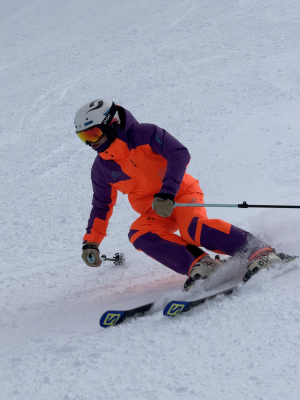 Strong skiing technique is seriously enjoyable and built on well-executed turns. Speed does not equal skill. Bad, fast, uncontrolled descents are not cool—they are dangerous – for yourself and other slope users. True enjoyment and mastery comes from good turns that prioritise safety and precision. It means you can make a turn wherever you want and wherever you may need to. It means you can enjoy the mountain and are not putting others at risk. Look at good skiers, they are almost dancing rhythmically down the mountain not trying to break some speed record on an app.To ski accurately and safely:
- Think about what makes a good turn – Focus on smooth rhythmic arcs that control your speed of descent rather than abrupt or rushed movements, remember dancing!
- Observe expert skiers: There are so many fantastic skiers out there with a ton of great tips for how to improve your technique.
Watch professionals like Onyone ambassadors Harald Harb, Paul Lorenz, Nina Gigele, and Tom Gellie. Their precision, balance, and rhythm are the hallmarks of safe and accurate skiing – but how much fun do they look like they're having – and how cool and stylish do they look? Solid technique will give you the confidence to enjoy your winter holidays even more! Some notable Onyone ambassadors who demonstrate SAS principles include:
- Harald Harb – An iconic ski instructor and founder of the PMTS (Primary Movements Teaching System).
- Paul Lorenz – A renowned ski coach known for his technical expertise and precise skiing technique.
- Nina Gigele – A high-level ski instructor and athlete who promotes safe and efficient skiing.
- Tom Gellie – A professional skier recognized for his smooth, controlled turns and focus on ski accuracy.
- Have a plan to improve – If you get the chance it's always good to seek out great instructors and spend some time working on getting better. ESF (École du Ski Français) – France’s largest ski school, offers lessons for all levels. BASS (British Alpine Ski School) is an English-speaking ski school known for its high-quality instruction. We cannot name all the ski schools in each resort. We recommend getting some professional guidance if you can. Think of it like getting a dance lesson from John Travolta!
By developing proper turning skills, you’ll gain more control, reduce fatigue, and enjoy skiing safely at a high level.3. Smart Decision-Making
- Choose the right runs for your skill level.
- Adjust your speed based on slope conditions.
- Be mindful of weather changes and visibility.
Final Thoughts
Whether you’re planning your first ski trip or refining your skills, embracing Safe Accurate Skiing will seriously enhance your time on the slopes. We guarantee you will have a lot more fun!Stay safe, ski smart, and enjoy the mountains! -
Snow is falling in the Alps!
 Hot off the press from Johanna at Ice and Fire – the first snow is falling in Paradiski!
October marks the beginning of the snow season in the Alps, and with it comes the age-old debate about how good this winter will be for snowfall.
This year, the 2024-25 season is off to an impressive start, with a dusting of fresh snow already on view across the La Plagne glacier. The photo you see here, taken on October 6th, showcases the view from the new webcam perched atop the Bellecote Glacier.
Locals often believe that snowfall before the Demontagnee festival bodes well for the season ahead. This local festival, taking place on October 19th in Bourg St Maurice, celebrates the return of cows from their summer pastures in the highlands back down to the valley farms, where they will rest for the winter.
Ice and Fire are Paradiski experts with two lovely chalets in Les Coches. Johanna has been at the helm for over 10 years, starting as a chalet host herself – so she knows what's needed to make your holiday a great one!
As the weather is turning wetter and colder, it's hard not to get excited about snow in the mountains! Have you booked your ski trip yet?
Keep an eye out for our Latest & Greatest newsletters which are going out regularly with great offers to get you on the slopes this winter. And of course don't forget about the Solutions Room – a creative and convenient way to find the perfect ski holiday, with ski companies reaching out directly based on your needs.
-
Ski Fitness Programme: Week 11-12
Here's a comprehensive fitness program for weeks 9-12 of your preseason ski fitness plan. These weeks are crucial for peaking your fitness and preparing you for the demands of your ski holiday:
Week 11-12: Peak Conditioning
Day 1: Cardiovascular Conditioning and Ski-Specific Skills
Warm-up (10 minutes):
- Start with light jogging or jumping jacks to increase your heart rate.
Cardiovascular Conditioning (60-75 minutes):
- Continue ski-specific activities, focusing on challenging terrain and conditions. Work on maintaining control and technique in varied snow conditions and steep descents.
Ski-Specific Skills (30-45 minutes):
- Practice skiing drills to refine your technique.
-
Work on short turns, carving, and quick transitions.
-
Incorporate balance exercises on a wobble board or balance ball.
Day 2: Active Rest or Low-Intensity Activity
- Engage in low-intensity activities such as swimming, yoga, or a gentle walk to promote recovery.
Day 3: Cardiovascular Conditioning and Strength Training
Warm-up (10 minutes):
- Begin with a light aerobic warm-up to raise your heart rate.
Cardiovascular Conditioning (60-75 minutes):
- Continue ski-specific activities, including challenging terrain and skiing drills. Focus on improving speed control, precision, and agility.
Strength Training (Dumbbell Exercises – 3 sets of 12-15 reps each):
- Prioritize compound lower body exercises like squats, deadlifts, and step-ups.
-
Include upper body exercises such as push-ups, bench presses, and rows.
-
Incorporate core workouts and stability ball exercises.
Day 4: Active Rest or Low-Intensity Activity
- As in previous weeks, engage in light activity or yoga for active recovery.
Day 5: Cardiovascular Conditioning and Ski-Specific Drills
Warm-up (10 minutes):
- Start with light aerobic activity to raise your heart rate.
Cardiovascular Conditioning (60-75 minutes):
- Continue ski-specific activities, exploring a variety of slopes and skiing styles.
Work on maintaining control during long, sustained descents.
Ski-Specific Drills (30-45 minutes):
- Fine-tune your skiing skills with a focus on quick turns, dynamic carving, and transitions.
Continue balance exercises for stability.
Day 6: Strength Training and Flexibility
Warm-up (10 minutes):
- Begin with a light aerobic warm-up as usual.
Strength Training (Dumbbell Exercises – 3 sets of 12-15 reps each):
- Perform explosive exercises like squat jumps, box jumps, and lateral bounds to improve power and agility.
-
Continue with compound lower body exercises.
-
Include upper body and core workouts for overall strength.
Flexibility and Mobility (20-30 minutes):
- Focus on comprehensive stretching to improve range of motion and reduce the risk of injury.
-
Include dynamic stretching and yoga poses.
Day 7: Rest
- Allow your body to fully recover. Rest is crucial for maintaining peak performance.
Week 11-12: Tapering and Fine-Tuning
Day 1-2: Ski-Specific Skills and Technique
- If possible, spend these days on the slopes practicing your skiing skills at a dry or indoor facility. Work with an instructor to fine-tune your technique and gain confidence on the snow.
Day 3: Active Rest or Low-Intensity Activity
- Engage in light activities to keep your muscles engaged without straining them.
Day 4: Ski-Specific Drills and Technique
- Continue practicing skiing drills and refining your technique.
Day 5: Active Rest or Low-Intensity Activity
- As your ski holiday approaches, keep your body active but avoid intense workouts to allow for recovery.
Day 6: Rest
- Prioritize rest and relaxation to ensure you're fully recovered and ready for your ski holiday.
Day 7: Ski Holiday Prep
- Gather your ski equipment, check weather conditions, and make any necessary travel arrangements.
During weeks 11-12, it's essential to focus on maintaining your peak physical condition while fine-tuning your skiing skills. Prioritize rest, nutrition, and hydration to ensure you're at your best for your ski holiday. Visualize success on the slopes, stay positive, and trust in your training to make the most of your skiing experience.
Remember that this is a general guideline, and your pre-season fitness program should be tailored to your individual fitness level, goals, and any specific areas of weakness or concern. If you're unsure about any aspect of your fitness program, consult with a fitness professional or trainer for personalised guidance. Check out Lineham Fitness – for a personalised programme, online or face to face training and great tips and advice on fitness and nutrition.
Always consult with a healthcare professional before beginning any new exercise program, especially if you have pre-existing medical conditions or concerns.
-
Ski Fitness Programme: Week 9-10
Here's a detailed fitness program for weeks 9-10 of your preseason ski fitness plan. During this phase, the focus will be on maintaining your peak fitness level and refining your skiing-specific skills to ensure you're fully prepared for your ski holiday:
Week 9-10: Maintain and Refine
Day 1: Cardiovascular Conditioning and Ski-Specific Skills
Warm-up (5-10 minutes):
- Begin with light aerobic activity to increase your heart rate.
Cardiovascular Conditioning (45-60 minutes):
- Continue ski-specific activities, but now emphasise mimicking skiing movements and scenarios. Incorporate simulated skiing drills like lateral movements and quick turns. Maintain a consistent and challenging pace throughout the workout.
Ski-Specific Skills (30-45 minutes):
- If possible, consider taking a ski lesson or working with an instructor. Focus on technique, edge control, and balance drills on a ski simulator or dry-land setup. Practice transitions between skiing stances, turns, and speed control.
Day 2: Active Rest or Low-Intensity Activity
- Engage in low-intensity activities like swimming, yoga, or a gentle walk for active recovery.
Day 3: Cardiovascular Conditioning and Ski-Specific Skills
Warm-up (5-10 minutes):
- Perform a light aerobic warm-up similar to Day 1.
Cardiovascular Conditioning (45-60 minutes):
- Continue ski-specific activities with a focus on controlled, dynamic movements.
- Include intervals of high-intensity bursts to simulate quick changes in skiing speed.
- Challenge yourself with complex skiing drills.
Ski-Specific Skills (30-45 minutes):
- Continue working on technique, edge control, and balance.
- Experiment with various skiing scenarios, such as skiing through gates or mogul runs if available.
Day 4: Active Rest or Low-Intensity Activity
- As in previous weeks, engage in light activity or yoga for active recovery.
Day 5: Cardiovascular Conditioning and Ski-Specific Skills
Warm-up (5-10 minutes):
- Perform a light warm-up similar to Day 1.
Cardiovascular Conditioning (45-60 minutes):
- Continue ski-specific activities, now integrating more challenging terrain.
- Focus on maintaining control and precision during descents.
- Incorporate drills that require rapid decision-making.
Ski-Specific Skills (30-45 minutes):
- Continue refining your skiing technique, especially in areas where you feel less confident.
- If possible, practice on slopes with varied terrain to simulate real skiing conditions.
Day 6: Strength Training and Flexibility
Warm-up (5-10 minutes):
- Begin with a light aerobic warm-up as usual.
Strength Training (Bodyweight and Dumbbell Exercises – 3 sets of 12-15 reps each):
- Focus on functional strength exercises, such as squat jumps, lateral leg raises, and core workouts.
- Push-ups (standard or on knees).
- Side plank (each side, 60-90 seconds).
Flexibility and Mobility (15-20 minutes):
- Emphasize stretching exercises for the entire body, with a particular focus on legs, hips, and lower back.
- Include dynamic stretches and balance drills.
Day 7: Rest
- Allow your body to rest fully. Rest is essential for recovery and maintaining peak performance.
During these weeks, it's crucial to maintain proper form during strength exercises and gradually increase the intensity of your cardiovascular sessions. Continue to prioritize your skiing-specific skills and technique, especially if you have the opportunity to practice on snow. Ensure you maintain proper nutrition, hydration, and sleep to support your training and prepare for your upcoming ski holiday.
Remember that this is a general guideline, and your pre-season fitness program should be tailored to your individual fitness level, goals, and any specific areas of weakness or concern. If you're unsure about any aspect of your fitness program, consult with a fitness professional or trainer for personalised guidance. Check out Lineham Fitness – for a personalised programme, online or face to face training and great tips and advice on fitness and nutrition.
Always consult with a healthcare professional before beginning any new exercise program, especially if you have pre-existing medical conditions or concerns.
-
Pre-Season Ski Fitness: Weeks 7 & 8
Here's a detailed fitness program for weeks 7-8 of your preseason ski fitness plan. During this phase, we'll focus on maintaining and refining your cardiovascular endurance, strength, and flexibility to ensure you're in peak condition for your ski holiday:
Week 7-8: Maintain and Refine
Day 1: Cardiovascular Conditioning and Strength Training
Warm-up (5-10 minutes):
- Begin with light aerobic activity to increase your heart rate.
Cardiovascular Conditioning (45-60 minutes):
- Continue ski-specific activities, incorporating steep inclines or challenging terrain if possible.
Maintain a steady pace throughout the workout.
Strength Training (Bodyweight and Dumbbell Exercises – 3 sets of 12-15 reps each):
- Continue with advanced strength exercises, such as single-leg squats or pistol squats.
- Push-ups (standard or on knees).
- Planks (60-90 seconds).
Cool-down (5-10 minutes):
- Perform static stretching for major muscle groups, focusing on the lower body.
Day 2: Active Rest or Low-Intensity Activity
- Engage in low-intensity activities like swimming, yoga, or a gentle walk for active recovery.
Day 3: Cardiovascular Conditioning and Strength Training
Warm-up (5-10 minutes):
- Perform a light aerobic warm-up similar to Day 1.
Cardiovascular Conditioning (45-60 minutes):
- Continue with ski-specific activities, maintaining a steady pace.
-
Add brief intervals of high-intensity effort to challenge your cardiovascular system.
Strength Training (Bodyweight and Dumbbell Exercises – 3 sets of 12-15 reps each):
- Reverse lunges or dumbbell lunges.
-
Push-ups (standard or on knees).
-
Side plank (each side, 60-90 seconds).
Cool-down (5-10 minutes):
- Focus on stretching and releasing tension in the muscles used during strength training.
Day 4: Active Rest or Low-Intensity Activity
- As in previous weeks, engage in light activity or yoga for active recovery.
Day 5: Cardiovascular Conditioning and Flexibility
Warm-up (5-10 minutes):
- Perform a light warm-up similar to Day 1.
Cardiovascular Conditioning (45-60 minutes):
- Continue ski-specific activities, incorporating uphill sections or challenging routes.
-
Maintain a consistent pace on uphill segments.
Flexibility and Mobility (15-20 minutes):
- Focus on dynamic stretches and mobility exercises to enhance your range of motion.
-
Include balance drills, such as single-leg squats on an unstable surface.
Day 6: Strength Training
Warm-up (5-10 minutes):
- Begin with a light aerobic warm-up as usual.
Strength Training (Bodyweight and Dumbbell Exercises – 3 sets of 12-15 reps each):
- Incorporate exercises that mimic skiing movements, such as lateral leg raises or squat jumps.
-
Push-ups (standard or on knees).
-
Side plank (each side, 60-90 seconds).
Cool-down (5-10 minutes):
- Concentrate on stretching the muscles worked during strength training.
Day 7: Rest
- Allow your body to rest fully. Rest is essential for recovery and maintaining peak performance.
During these weeks, it's crucial to stay consistent with your workouts and gradually increase the intensity of your cardiovascular sessions. Continue to prioritize proper form during strength exercises, and listen to your body to avoid overtraining. Ensure you maintain proper nutrition, hydration, and sleep to support your training and prepare for your upcoming ski holiday.
Remember that this is a general guideline, and your pre-season fitness program should be tailored to your individual fitness level, goals, and any specific areas of weakness or concern. If you're unsure about any aspect of your fitness program, consult with a fitness professional or trainer for personalised guidance. Check out Lineham Fitness – for a personalised programme, online or face to face training and great tips and advice on fitness and nutrition.
Always consult with a healthcare professional before beginning any new exercise program, especially if you have pre-existing medical conditions or concerns.
-
Pre-Season Ski Fitness: Weeks 5 & 6
Here's a more detailed fitness program for weeks 5-6 of your pre-season ski fitness plan. During this phase, we'll focus on ski-specific training to further enhance your endurance, strength, and stability:
Week 5-6: Ski-Specific Training
Day 1: Cardiovascular Conditioning and Strength Training
Warm-up (5-10 minutes):
- Start with light aerobic activity to raise your heart rate.
Cardiovascular Conditioning (45-60 minutes):
- Incorporate activities like stair climbing, hiking, or using a step machine to simulate the leg endurance required for skiing.
Maintain a steady pace, incorporating inclines if possible.
Strength Training (Bodyweight and Dumbbell Exercises – 3 sets of 12-15 reps each):
- Bodyweight squats or goblet squats with dumbbells.
- Push-ups (standard or on knees).
- Planks (45-60 seconds).
Cool-down (5-10 minutes):
- Gentle static stretching for major muscle groups, with a focus on the lower body.
Day 2: Active Rest or Low-Intensity Activity
- Engage in low-intensity activities such as swimming, yoga, or walking to promote recovery.
Day 3: Cardiovascular Conditioning and Strength Training
Warm-up (5-10 minutes):
- Begin with the same light aerobic warm-up as Day 1.
Cardiovascular Conditioning (45-60 minutes):
- Continue with ski-specific activities, incorporating interval training.
- Alternate between high-intensity bursts (2-3 minutes) and recovery periods (1-2 minutes).
Strength Training (Bodyweight and Dumbbell Exercises – 3 sets of 12-15 reps each):
- Reverse lunges or dumbbell lunges.
- Push-ups (standard or on knees).
- Side plank (each side, 45-60 seconds).
Cool-down (5-10 minutes):
- Focus on stretching and releasing tension in the muscles used during strength training.
Day 4: Active Rest or Low-Intensity Activity
- As in previous weeks, engage in light activity or yoga for active recovery.
Day 5: Cardiovascular Conditioning and Flexibility
Warm-up (5-10 minutes):
- Perform a light warm-up similar to Day 1.
Cardiovascular Conditioning (45-60 minutes):
- Continue ski-specific activities, increasing the challenge by incorporating uphill sections if possible.
- Maintain a consistent pace during the uphill segments.
Flexibility and Mobility (15-20 minutes):
- Focus on dynamic stretches and mobility exercises to enhance your range of motion.
- Include balance drills such as single-leg squats on an unstable surface.
Day 6: Strength Training
Warm-up (5-10 minutes):
- Begin with a light aerobic warm-up as usual.
Strength Training (Bodyweight and Dumbbell Exercises – 3 sets of 12-15 reps each):
- Incorporate more advanced strength exercises, such as single-leg squats or pistol squats.
- Push-ups (standard or on knees).
- Side plank (each side, 45-60 seconds).
Cool-down (5-10 minutes):
- Concentrate on stretching the muscles worked during strength training.
Day 7: Rest
- Allow your body to fully recover. Rest is crucial for optimal performance and injury prevention.
During these weeks, it's important to maintain proper form during strength exercises and gradually increase the intensity of your cardiovascular workouts. Listen to your body, stay hydrated, and ensure you're getting adequate nutrition and sleep to support your training. Ski-specific activities will help you simulate the demands of skiing and prepare you for the slopes effectively.
Remember that this is a general guideline, and your pre-season fitness program should be tailored to your individual fitness level, goals, and any specific areas of weakness or concern. If you're unsure about any aspect of your fitness program, consult with a fitness professional or trainer for personalised guidance. Check out Lineham Fitness – for a personalised programme, online or face to face training and great tips and advice on fitness and nutrition.
Always consult with a healthcare professional before beginning any new exercise program, especially if you have pre-existing medical conditions or concerns.
-
When should you invest in your own ski gear?
Well-fitted ski boots and appropriate skis are crucial for improving your ski performance, but if you had to prioritize one over the other, a good fitting ski boot would generally be more important. Here's why:
Ski Boots: Properly fitting ski boots are the most important piece of equipment in skiing. They are the direct link between your body and the skis. A well-fitted boot ensures that you have control over your skis, can transfer your movements effectively, and maintain balance. If your boots don't fit correctly, you may struggle to control your skis and your skiing performance will suffer. Badly fitting boots can also lead to discomfort, pain, and even injuries.
Skis: While skis are essential, they come second in priority after boots. The choice of skis depends on your skiing style and goals. However, with good boots, you can adapt to various ski conditions and terrain using different skis. Skis can enhance your skiing experience and performance, but they don't have as direct an impact as boots.
In summary, if you're looking to improve your ski performance, start with properly fitted ski boots. Once you have a good boot, you can then consider upgrading or selecting skis that match your skiing style and preferences. A combination of well-fitted boots and suitable skis is ideal for achieving the best skiing performance. Consulting with a knowledgeable ski shop or boot fitter can help you find the right equipment for your needs.
A good ski boot fit is essential for an enjoyable and safe skiing experience. A properly fitted ski boot should feel snug and secure while providing comfort and control. Here are some characteristics of a good ski boot fit and the reasons behind them:
- Snug but not overly tight: The boot should feel snug around your foot without causing pressure points or discomfort. It should hold your heel firmly in place to minimize heel lift, which can affect control and lead to blisters or discomfort.
- Toes touching the front: When you first put on the boot, your toes should lightly touch the front of the boot liner. When you flex your knees forward, your toes should pull back slightly from the front, creating a small gap. This ensures that your toes won't be jammed against the boot when skiing downhill.
- Proper width and volume: The boot should match the width and volume of your foot. Ski boots come in various widths (last widths), and the fitter should assess if you have a narrow, medium, or wide foot to recommend an appropriate boot model. Volume is also essential to prevent unnecessary pressure points or empty spaces within the boot.
- No excessive pressure points: A good boot fitter will check for pressure points or discomfort and may use custom insoles or boot modifications to alleviate them.
- Secure calf and ankle fit: The boot should provide a snug fit around your calf and ankle to ensure proper control and power transfer while skiing.
A skilled ski boot fitter will ask you a series of questions to determine the best fit for your specific needs and skiing style. Some common questions might include:
- What is your skiing ability level? (Beginner, intermediate, advanced, expert)
- What type of skiing do you primarily do? (Alpine, backcountry, freestyle, racing)
- Do you have any specific foot issues or previous injuries that need to be considered?
- What is your foot width and shape? (Narrow, medium, wide, high arch, low arch)
- Do you prefer a more performance-oriented or comfort-oriented fit?
- What's your typical terrain and skiing conditions? (Groomed slopes, powder, moguls, park)
- What is your budget for ski boots?
- Have you ever had a ski boot fitting before, and if so, were there any issues with your previous boots?
The boot fitter will also measure your foot's length and width and may use a footbed scanner or other tools to assess your specific foot shape. They will then recommend a selection of boots that match your preferences and needs. Trying on multiple boots and assessing the fit while skiing in them is a crucial part of the fitting process to ensure you find the perfect match for your skiing adventures.


Get the Latest and Greatest Holiday Offers!
