
- What Makes Ski Holidays Truly Memorable?

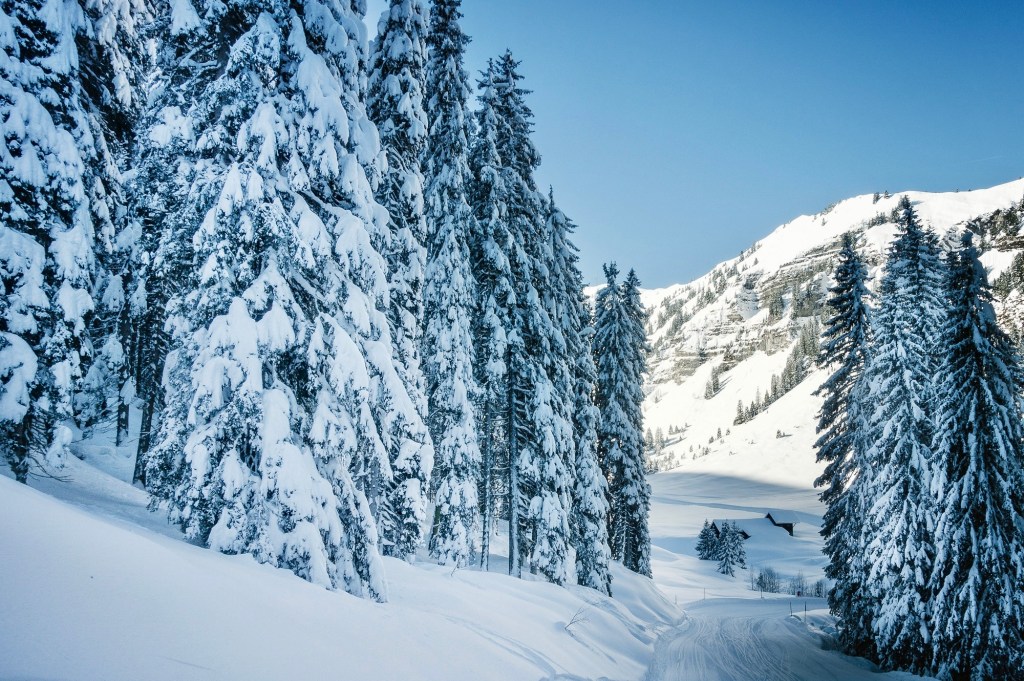
Undiscovered pistes with breathtaking scenery Think back to your favourite ski holiday.
What stands out?
The hidden mountain restaurant you would never have found on your own? The local recommendation that became the highlight of the week? The accommodation provider who helped make everything run smoothly?
Those are often the moments that turn good ski holidays into unforgettable experiences.
Whether you’re planning family ski holidays, a luxury escape with friends or your first European ski adventure, personal service can often make the difference between a good trip and a truly memorable one.
Great Ski Holidays Are About More Than Accommodation
Choosing the right accommodation is only one part of planning successful ski holidays.
Skiers also need to think about ski schools, lift access, equipment hire, childcare options, activities for non-skiers and whether the ski area will suit everyone in the group.
For many people, those decisions can feel overwhelming.
Modern booking platforms make it easy to compare properties and prices, but they cannot always provide the local insight that helps visitors make the most of their time in the mountains.
That’s where personal service still matters.

Julie – Chalet le Pery – Grand Massif 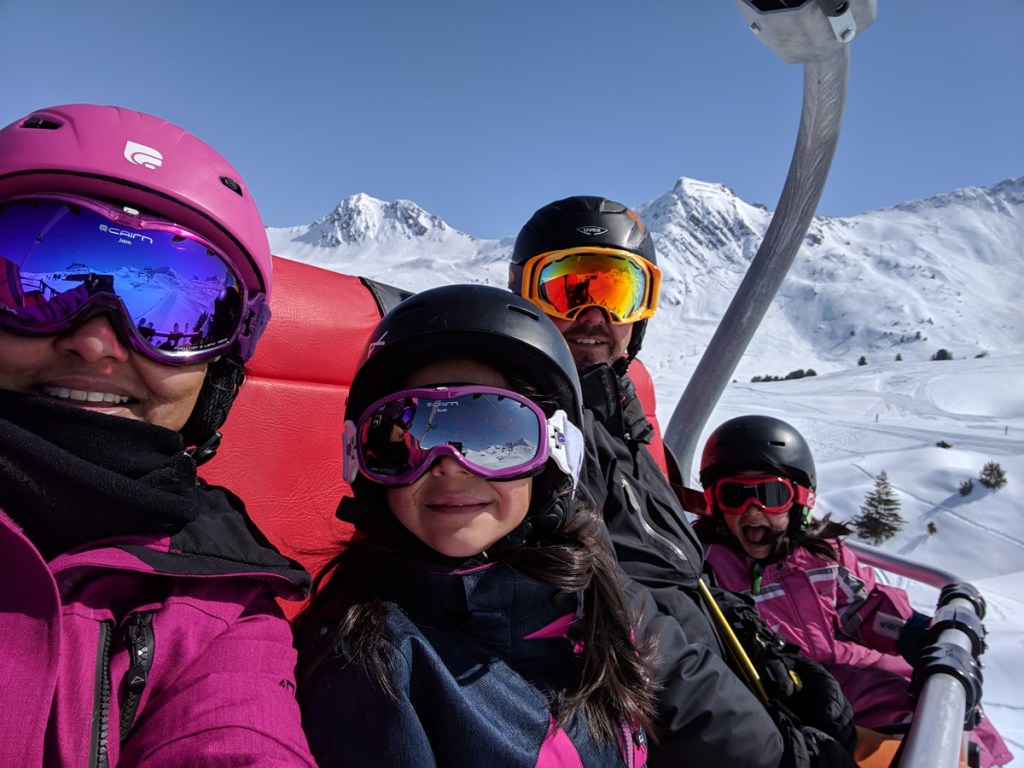
It’s a family affair – Alpine 365, La Plagne 
Julie & Rich from the Lovely Chalet Company in La Plagne Why Independent Operators Are Perfectly Placed to Deliver Exceptional Ski Chalet Holidays
Many of the most memorable ski chalet holidays are delivered by independent operators who combine comfortable accommodation with genuine local expertise. Their knowledge of the resort, personal recommendations and commitment to guest experience often create the moments that travellers remember long after the snow has melted.
They know which slopes are best after fresh snowfall, where to find quieter beginner areas, which restaurants consistently deliver a great experience and how to avoid some of the common mistakes first-time visitors make.
A simple recommendation will save hours of research and help guests enjoy a smoother, more rewarding holiday from the moment they arrive.
Why Personal Service Still Matters
Often travellers make bookings without ever speaking to the people behind the accommodation. This works for a short city break or booking a room in a hotel chain.
But skiing remains one of the few holidays where local expertise can significantly improve the experience.
European Ski Holidays Through Local Eyes
For many North American visitors, European ski holidays offer an experience that feels very different from skiing at home.
The combination of historic Alpine villages, extensive lift networks, mountain restaurants and local culture all contribute to a different style of holiday.
A European ski holiday needs careful planning, especially if you are unfamiliar with ski areas, accommodation types, transfers etc. Having direct access to someone who knows the destination can make decisions much easier.
Direct Communication Benefits Everyone
Many skiers value the opportunity to communicate directly with accommodation providers before booking.
It allows them to ask questions, discuss specific requirements and gain insights that aren’t always available through standard booking systems.
For accommodation providers, direct communication creates an opportunity to better understand their guests and offer more personalised recommendations.
The result is often a better experience for everyone involved.
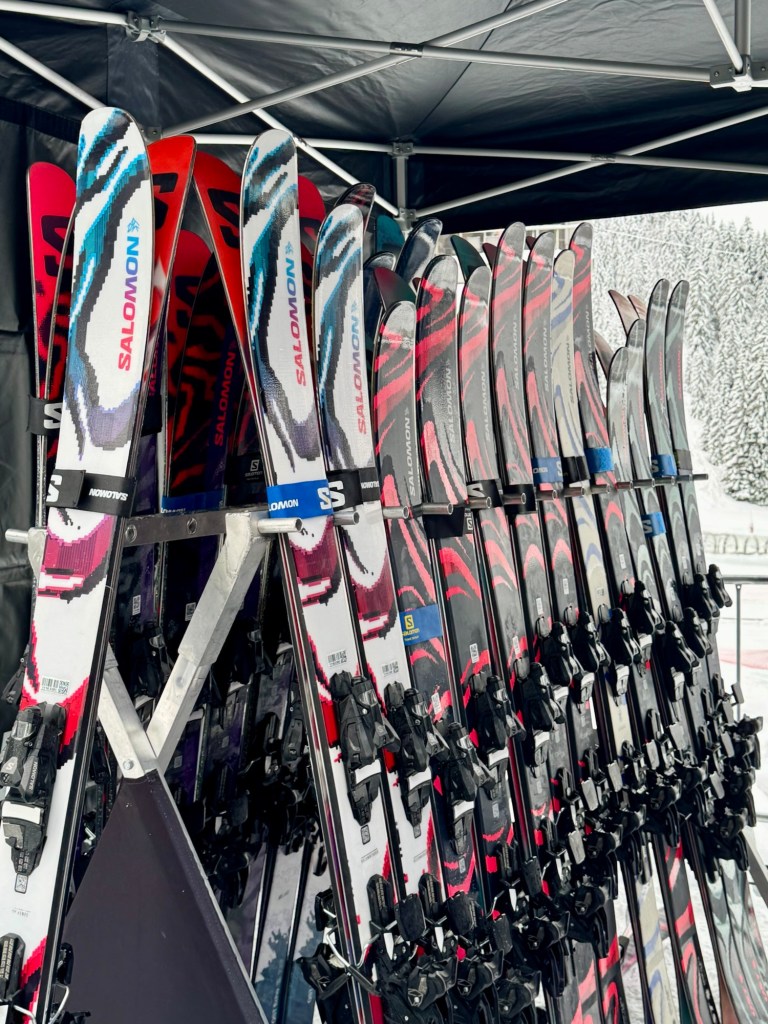
Where to go for ski hire 
Where’s a good mountain restaurant? 
Where to eat local Connecting Skiers With Local Experts
For more than 25 years, Chalets Direct has helped skiers find and compare ski holidays across Europe. We connect travellers directly with accommodation providers who know their resorts inside out. They can help guests make informed decisions about their holiday which makes the booking process easier.
Whether you’re looking for a luxury ski holiday, apartment, catered ski chalet holidays or family-run hotel, direct communication allows you to benefit from local expertise before your holiday even begins.
This helps you find accommodation that genuinely suits your needs and allows providers to showcase the experience and local knowledge that make them unique. The Solutions Room goes a step further, allowing travellers to describe their ideal ski holiday and receive responses from accommodation providers who match their requirements.
The Holidays We Remember Most
The best ski holidays are rarely defined by a single factor.
The holidays that stay with us longest are often shaped by the people we meet, the recommendations we receive and the experiences we might otherwise have missed.
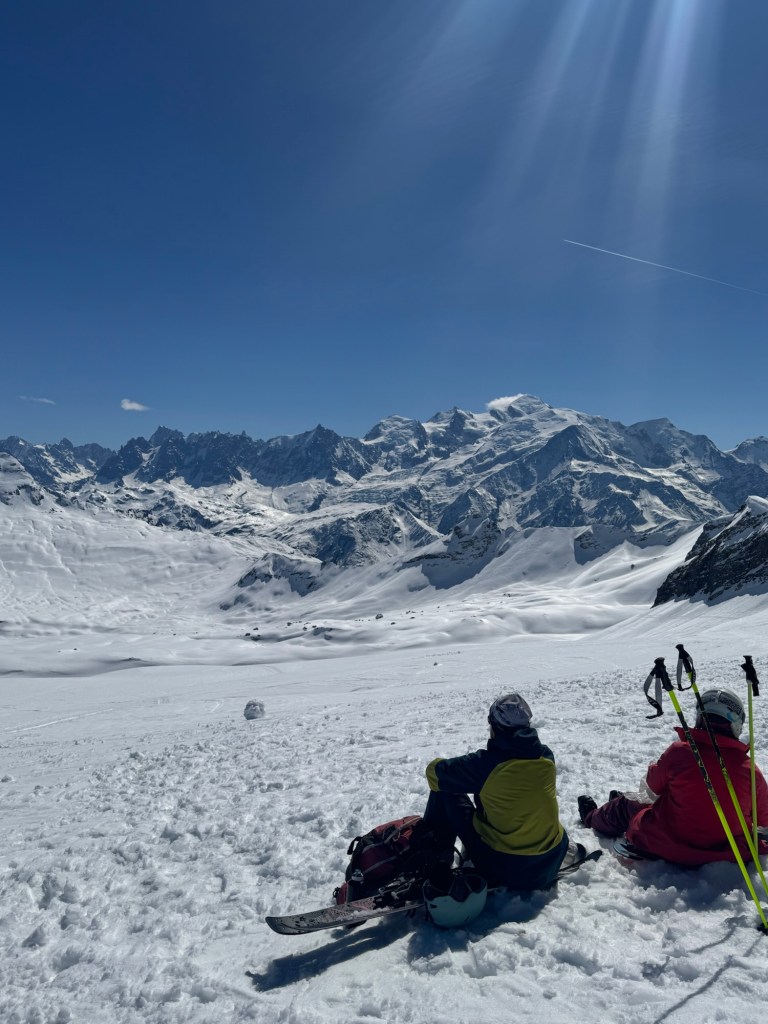
Where you can enjoy the view 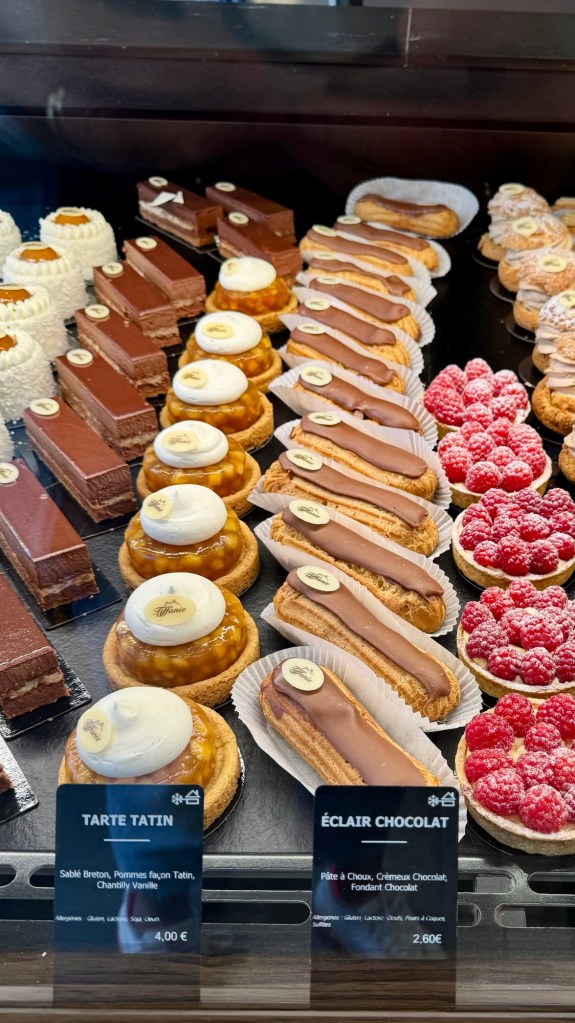
Where to find the best pastries 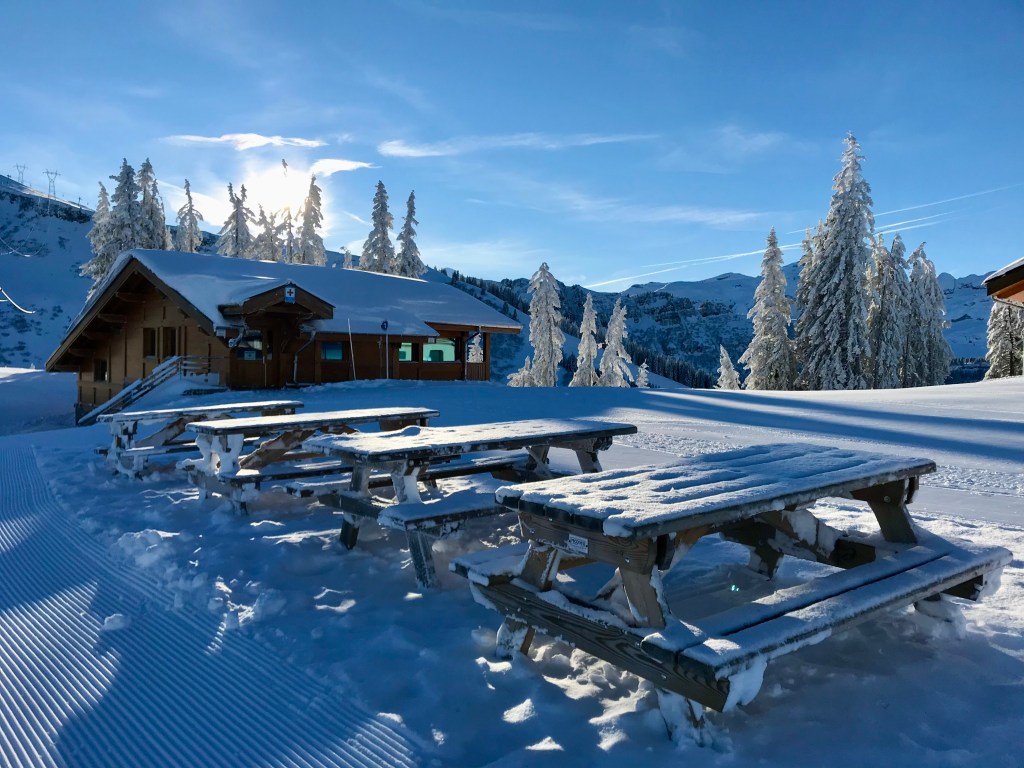
The best picnic spots Frequently Asked Questions
What are the benefits of booking ski holidays directly with accommodation providers?Booking directly allows you to ask questions, receive personalised recommendations and benefit from local knowledge before your holiday begins.
Are family ski holidays easier to plan with local advice?Yes. Local accommodation providers can often recommend suitable ski schools, childcare options, beginner areas and family-friendly activities within their resort.oliday.
Why are European ski holidays popular with North American skiers?European ski holidays combine extensive ski areas, mountain dining and cultural experiences that many visitors find very different from North American ski resorts.
Does Chalets Direct only feature chalets?No. Chalets Direct includes a wide range of ski accommodation, including chalets, apartments, catered properties and hotels in ski resorts across Europe and beyond.
Looking for ski holidays with a personal touch? Browse hundreds of chalets, apartments and hotels on Chalets Direct and communicate directly with accommodation providers who know their resorts inside out.
- Why Balance Matters for Skiers and Snowboarders (And How to Improve It Before Your Next Ski Holiday)

Why Balance Matters for Skiers (And How to Improve It Before Your Next Ski Holiday)
When most people think about preparing for a ski holiday, they think about fitness, strength or endurance. Few people consider that balance for skiing can also be trained and improved.
As England prepare for another major international tournament, football pundits will spend plenty of time discussing fitness, tactics and technical ability. But balance is one quality that underpins almost everything elite footballers do.
https://youtu.be/aq84-TrSG-k?si=sN3k1rBbcPHUQSA3&t=72The same is true on the ski slopes. While the movements may be very different, both sports rely on the body’s ability to stay stable, react quickly and remain in control.
Whether you’re a complete beginner making your first turns or an experienced skier tackling challenging terrain, balance is at the heart of everything you do on snow.
The good news is that balance can be improved, and a little work during the summer and autumn can help you feel more confident, more comfortable and more in control when you return to the mountains.
Skiing Is Controlled Balance
At its simplest, skiing is a balancing sport.
Every time you make a turn, ride over uneven snow, absorb a bump or adjust your speed, your body is constantly making small corrections to stay balanced over your skis.
Unlike walking or running on stable ground, skiing requires you to balance on two narrow platforms that are constantly moving underneath you.
That’s why skiers with good balance often look relaxed and effortless, while those who struggle with balance can appear tense and defensive.

Balance in skiing – Mikaela Shiffrin’s Gold medal slalom run in the Milan-Cortina Olympics 2026 Balance Matters at Every Level
Many people assume balance is only important for advanced skiers.
In reality, it helps skiers of all abilities.
Beginners
Good balance helps beginners:
- feel more stable
- learn faster
- gain confidence
- control their speed more easily
Intermediate Skiers
Balance allows skiers to:
- make smoother turns
- handle varied terrain
- ski with less effort
- improve technique more quickly
Advanced Skiers
At higher levels, balance becomes even more important when skiing:
- steeper slopes
- bumps
- powder
- off-piste terrain
The better your balance, the more adaptable and efficient you become.
It’s Not Just Skiing
One reason balance is so important is that it transfers into almost every athletic activity.
International footballers heading to the World Cup for example, who constantly perform movements that challenge their stability, such as changing direction at speed and controlling the ball under pressure.
Ski racers on a slalom course, navigating changes in the gates, visibility from bright sunlight to shadows or flat light, ice or soft snow underfoot.
The athletes who remain balanced are often those who remain in control.
The same principle applies for all skiers. Every turn, adjustment and terrain change requires the body to make rapid balance corrections. The better your balance, the easier it becomes to react naturally and confidently on snow.
Athletes in sports such as:
- tennis
- golf
- cycling
- football
- surfing
- mountain biking
all rely on balance to perform at their best.
Watch elite athletes in almost any sport and you’ll often notice how well they control their bodies, even when moving quickly or changing direction.
Balance is a key part of that athletic ability.
Balance Can Help Reduce Fatigue
One benefit many skiers don’t consider is energy conservation.
Skiers with poor balance often fight the mountain all day.
They make unnecessary movements, tense their muscles and waste energy trying to stay upright.
Better balance allows your body to work more efficiently.
That means:
- less fatigue
- smoother skiing
- more enjoyment
- more energy at the end of the day
And perhaps more energy left for a long mountain lunch or dancing on a table in ski boots at après ski afterwards.
Simple Ways to Improve Balance
The good news is that balance training doesn’t need to be complicated.
A few simple exercises can make a difference:
Stand on One Leg
One of the simplest and most effective exercises.
Try standing on one leg while:
- brushing your teeth
- waiting for the kettle to boil
- watching television
Use a Balance Cushion or BOSU
These introduce instability and force your body to make constant adjustments.
Many athletes use them as part of their regular training.
Yoga and Pilates
Both are excellent for improving:
- balance
- coordination
- body awareness
- mobility
Functional Strength Training
Exercises such as:
- lunges
- split squats
- step-ups
can help develop the strength and stability needed for skiing.
Combine Balance with Professional Instruction
While balance training can help prepare your body for skiing, nothing replaces good technique.
Professional ski instructors can help you learn how to use your balance effectively on snow and develop strong foundations that make skiing easier and more enjoyable.
Many skiers are surprised by how much progress they make when physical preparation is combined with expert instruction.
Enjoy Your Ski Holiday More
Most of us only get a limited number of days on snow each year.
A little preparation before the season can help you make the most of every one of them.
Improving your balance won’t magically turn you into an Olympic skier, but it can help you feel more confident, move more naturally and enjoy your skiing more from the very first day of your holiday.
At Chalets Direct, we’re passionate about helping skiers get the most from their time in the mountains. Whether you’re planning your first ski holiday or your fiftieth, a little preparation before the season can make a surprisingly big difference once you’re back on snow. Check out other off-season ideas for ski fitness – such as rope flow and how to incorporate training on your commute.
After all, ski holidays are too valuable to spend the first few days just trying to find your ski legs.
Is balance important for skiing?Yes. Balance helps skiers stay stable, control their turns, adapt to changing snow conditions and ski more efficiently. Good balance benefits beginners and advanced skiers alike.
How can I improve my balance for skiing?Simple exercises such as standing on one leg, using a balance cushion, practising yoga or Pilates, and performing functional strength exercises can help improve balance for skiing.
Does better balance make skiing easier?Yes. Skiers with better balance often use less energy, feel more confident and find it easier to control their skis on different types of terrain.
When should I start balance training before a ski holiday?Starting a few weeks or months before your ski holiday can help improve stability, coordination and confidence before you return to the slopes.
https://youtube.com/shorts/YefNVI2tqss?si=Uu4zgibOHAxTveyf - The European Catered Chalet Experience – what is it and why is it special?


Chalet Loden – Ski Magic – Meribel For many American skiers, a ski vacation means booking a hotel room, lining up restaurant reservations, arranging transport, and navigating crowded resorts.
In the Alps, there’s another style of ski holiday that has become ingrained in the mountain culture: the catered chalet.
To first-time visitors from the US, the concept may feel a bit strange. However, often a catered chalet stay is far more relaxed, social, and immersive.
So What Is a Catered Chalet?
A catered chalet is a private mountain home — ranging from cosy traditional chalets to luxury alpine lodges — where accommodation, food, and hospitality are all included as part of the stay.
Rather than staying in a hotel, guests typically rent the entire chalet for a group of friends or family. Many chalets also allow guests to book individual rooms on a shared basis.
The experience is built around the atmosphere of staying in a mountain home rather than a commercial hotel.
A typical catered chalet package often includes:
- Daily breakfast – with hot and cold options
- Afternoon tea with homemade cakes waiting for you when everyone drifts back in from the slopes
- Pre-dinner drinks
- A freshly prepared multi-course evening meal
- Wine served with dinner
- Housekeeping and hosting throughout the week
Your chalet hosts will normally have at least one day off during the week. Breakfast and afternoon tea will be laid out for you. And for dinner, you can enjoy trying a local restaurant with a chance to sample regional dishes like fondue, raclette or tartiflette.
Many chalets also include extras such as hot tubs, saunas, cinema rooms, drivers, childcare, or concierge services.
It feels less like checking into a hotel and more like being welcomed into an Alpine home.
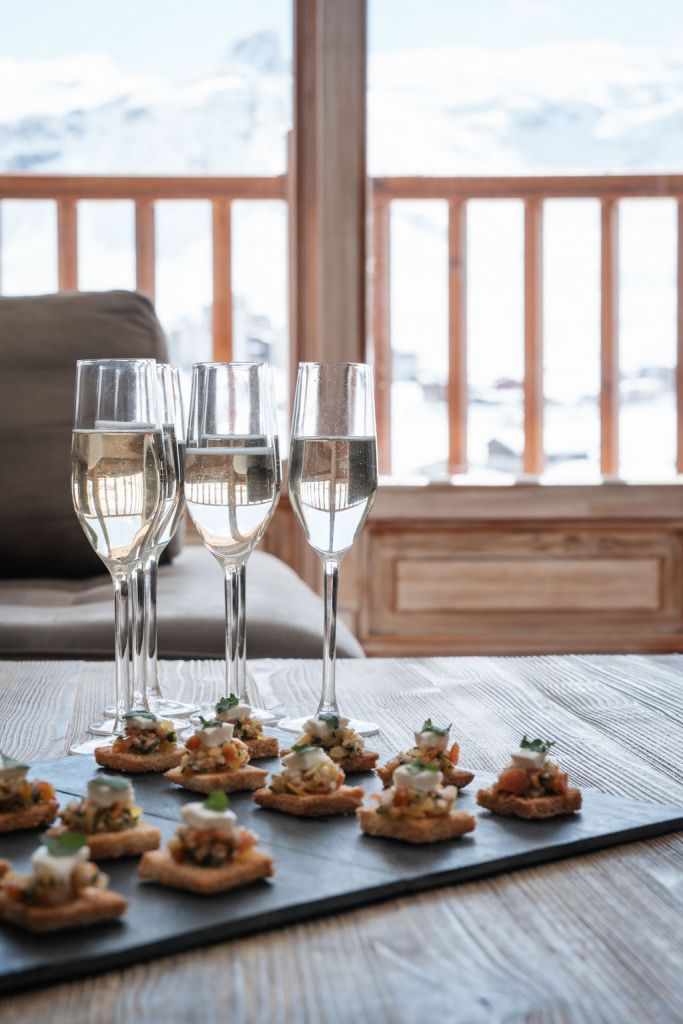
Build My Ski Trip – aperitifs before dinner – l’heure de l’apero! Why Americans Often Haven’t Heard of Them
The catered chalet concept was pioneered by British ski companies in the 1960s and 70s.
As skiing holidays in the Alps became more popular with UK travelers, British operators began renting traditional Alpine homes. They offered hosted stays that included meals, wine, and a more informal, sociable atmosphere than hotels.
The idea quickly became hugely popular because it combined skiing with the warmth of staying in a mountain home among friends and family.
Over time, catered chalets became a defining part of the European ski holiday experience — especially in France — and today they range from simple family-run chalets to fully staffed luxury properties.
For many Americans, there’s never really been a direct equivalent in North American ski culture.
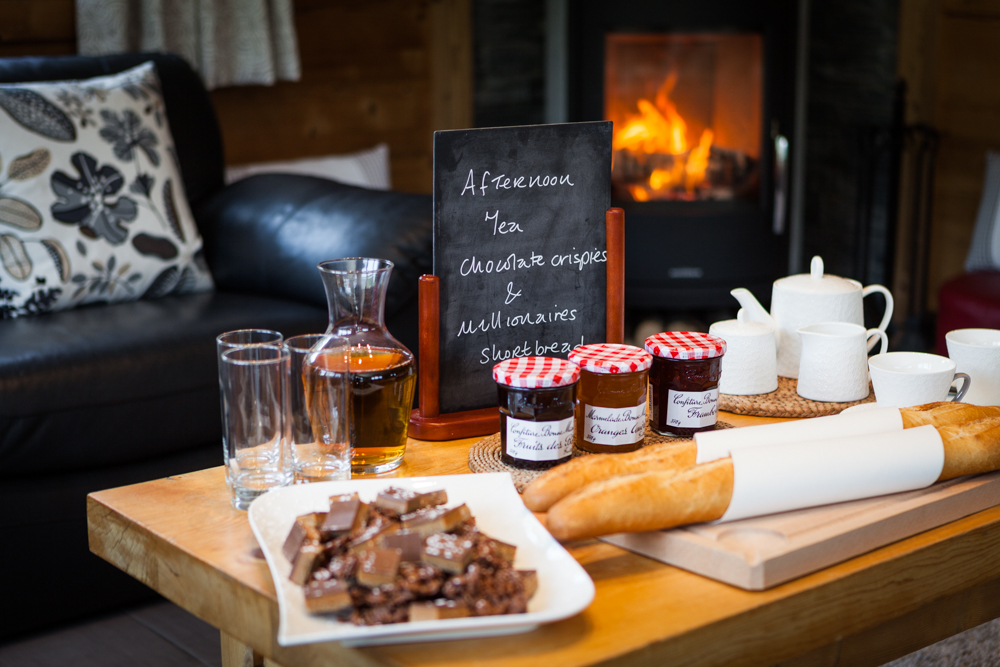
Ski Blanc, Meribel – afternoon tea – a staple of the chalet experience! Hotels vs Chalets — A Completely Different Atmosphere
Hotels are great for convenience and short stays, but chalet holidays offer something many American visitors aren’t expecting:
A feeling of warmth, connection and mountain culture.
After skiing, instead of everyone disappearing into separate hotel rooms, chalet life tends to revolve around the communal spaces. People come back at different times, tea and homemade cake are on the table, someone starts talking about the conditions higher up the mountain, and gradually the conversation shifts into drinks, dinner and stories from the slopes.
For families and groups especially, it creates a much more memorable ski vacation experience.
Chalet holidays also have a naturally social atmosphere, making them especially popular with solo travellers, groups of friends and multi-generational families.
In many ways, the chalet becomes part of the holiday itself — not just the place you sleep.
The chalet hosts will usually be keen skiers and snowboarders themselves, and this is also a chance for you to pick their brains and get some valuable local knowledge.
The European Ski Culture Difference
Part of what makes skiing in Europe special is the atmosphere beyond the slopes.
The villages, mountain restaurants, long lunches and social side of skiing are deeply woven into Alpine culture.
A catered chalet fits naturally into that experience.
Even simple things can feel different at first — longer lunches on the mountain and smaller villages where people walk everywhere in ski boots rather than driving between locations.
It’s not just about skiing vertical feet. It’s about enjoying mountain life.
Which Countries Are Best for Catered Chalets?
Catered chalets can be found across the Alps, and the experience can vary quite a lot depending on where you stay.
France — The Heart of the Catered Chalet Market
France is widely considered the home of the modern catered chalet holiday and offers the largest choice of catered chalets anywhere in the Alps.
Many of the world’s biggest ski areas are located here, including huge interconnected resorts that are particularly popular with British and international skiers. Ski areas such as the Three Valleys, Portes du Soleil, Paradiski and the Grand Massif offer masses of terrain to suit all levels and different valleys and villages to explore.
French catered chalets range from simple and affordable family-run properties to luxurious fully staffed chalets with hot tubs, saunas and private chefs.
Resorts such as Méribel, Val d’Isère and Morzine are especially well known for chalet holidays, and in many areas chalets are a central part of the ski scene.
Austria — Traditional Alpine Charm
For skiers looking for a more traditional Alpine atmosphere, Austria is incredibly popular.
Austrian ski villages are full of character, with historic buildings, lively après-ski culture and a strong sense of local mountain tradition.
Catered chalets in Austria are sometimes smaller and more intimate than those in France, with a stronger emphasis on hospitality and village atmosphere.
Popular Austrian chalet resorts include St Anton, Saalbach and Mayrhofen.
Switzerland — Scenic and Luxurious
Switzerland is famous for dramatic scenery, beautifully maintained mountain villages and some of the most prestigious ski resorts in the world.
Swiss chalet holidays often lean toward the premium and luxury end of the market, although there are still options for different budgets.
For many visitors, Switzerland delivers the classic “picture postcard Alps” experience.
Well-known Swiss chalet destinations include Verbier and Zermatt.
Italy — Incredible Food and Great Value
For many skiers, Italy offers one of the most underrated ski experiences in the Alps.
Italian resorts are known for excellent food, relaxed hospitality and fantastic value compared to some other Alpine destinations.
The atmosphere in Italian resorts often feels noticeably more relaxed, with a bigger emphasis on long lunches, good food and enjoying the social side of skiing rather than rushing to rack up vertical.
Popular Italian ski regions include the Dolomites.
Surprisingly Good Value for Groups and Families
Another thing that surprises many American visitors is the value.
For groups, catered chalets can often work out extremely well compared to booking multiple hotel rooms — especially when meals, hosting and shared living space are included.
Instead of everyone splitting up into separate rooms and restaurants every evening, the group stays together in one comfortable Alpine home.
For ski vacations with friends or extended family, that can completely change the feel of the trip.

Alikats – Ferme a Jules – Morzine A More Personal Experience
Unlike larger hotels, many chalets are independently run, which means they feel much more personal — and sometimes a little less polished in a way that adds to the charm. Your chalet chef may be spending a winter season indulging a ski obsession before eventually returning to a completely different career back home. Often your hosts will be the chalet owners themselves who have taken the plunge and changed their lives completely.
Some chalets are luxurious and modern. Others are traditional and cozy. Some are family-focused, while others are ideal for groups of friends looking for a lively ski week.
One of the biggest advantages of booking through a specialist platform like Chalets Direct is the depth of local knowledge available.
Many chalet owners and hosts have spent years living in their resorts and know the area inside out — from the best mountain restaurants and ski routes to practical advice on ski schools, weather conditions and getting around the resort.
That personal expertise is part of what makes chalet holidays feel so different from a standard hotel stay.
Don’t Miss Out on One of Europe’s Best Ski Traditions
Many American skiers visiting Europe for the first time automatically search for hotels because it’s what they know.
But by doing that, they may miss one of the most authentic and enjoyable parts of a European ski vacation.
Staying in a catered chalet is not just accommodation — it’s part of the Alpine experience itself.
The atmosphere, food, social side and mountain culture create a style of ski holiday that feels very different from the standard hotel experience.
And for many skiers, the chalet experience ends up becoming the part they talk about most once they get home.
For American skiers planning their first European ski trip, staying in a catered chalet can completely change the experience of skiing in the Alps.
Many European resorts included on the Epic, Ikon and Indy Passes also feature a wide range of catered chalets, giving skiers the chance to combine familiar pass access with a far more relaxed and social style of ski vacation.
Explore catered chalets, ski apartments and mountain accommodation with Chalets Direct.

Apres-Ski in Europe – the original La Folie Douce in Val d’Isere - The Complete Guide to Using Your Epic, Ikon or Indy Pass in Europe

For a growing number of North American skiers, Europe is no longer a once-in-a-lifetime ski trip. Thanks to the expansion of the Epic Pass, Ikon Pass and Indy Pass, skiing in the Alps has become far more accessible — and often far better value than many people expect.
If you’re considering using your Epic, Ikon or Indy Pass in Europe, here’s everything you need to know — from which resorts are included to accommodation tips, planning advice and what to expect when skiing in the Alps.
Once people ski Europe for the first time, they often come back year after year.
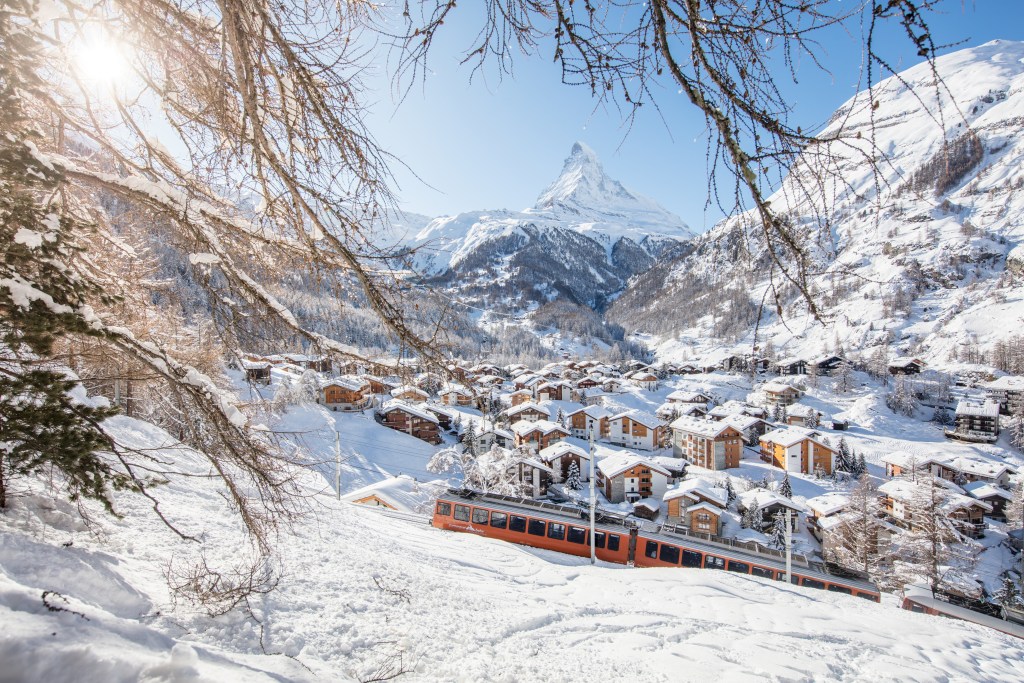
Zermatt and the Matterhorn 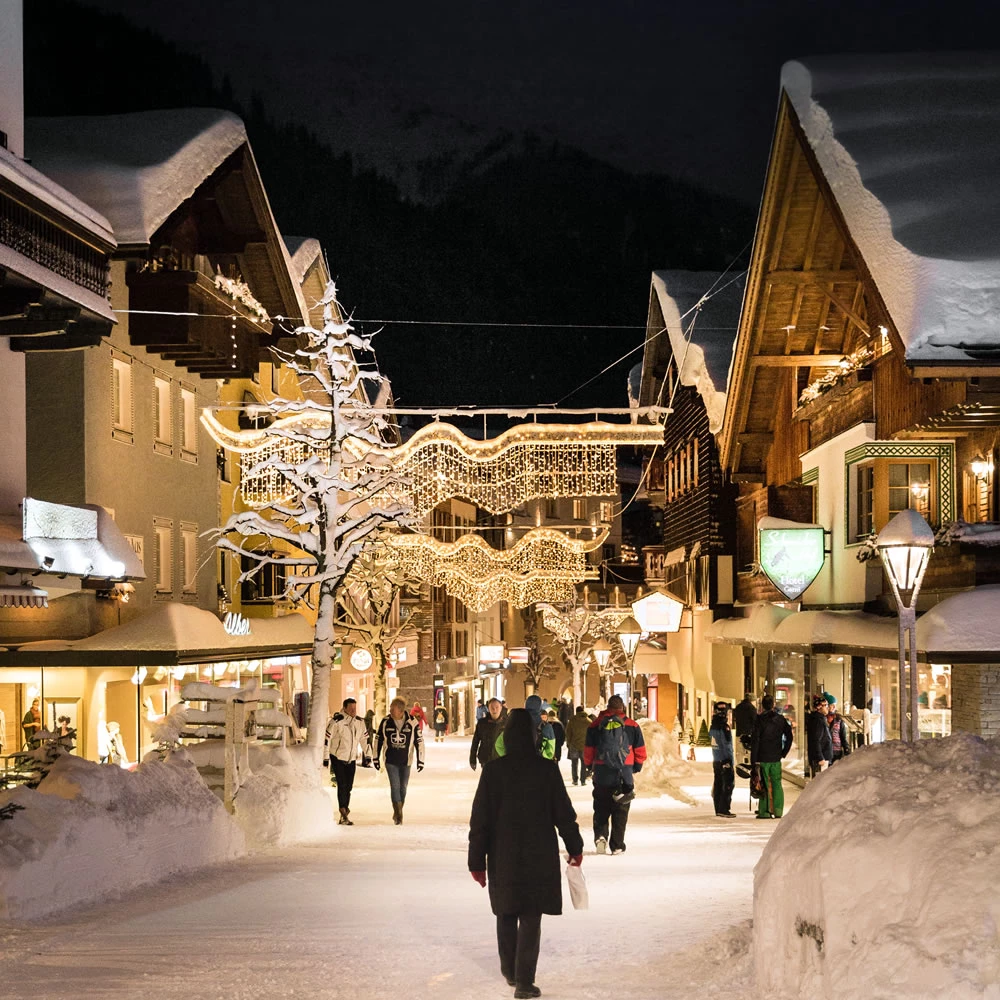
St Anton, Austria 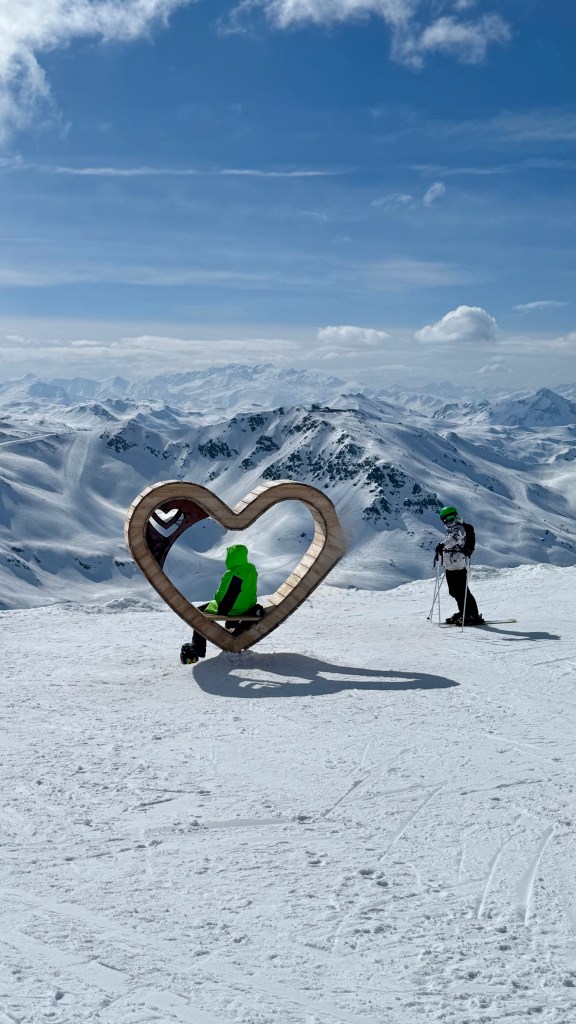
The heart of the Three Valleys – Meribel 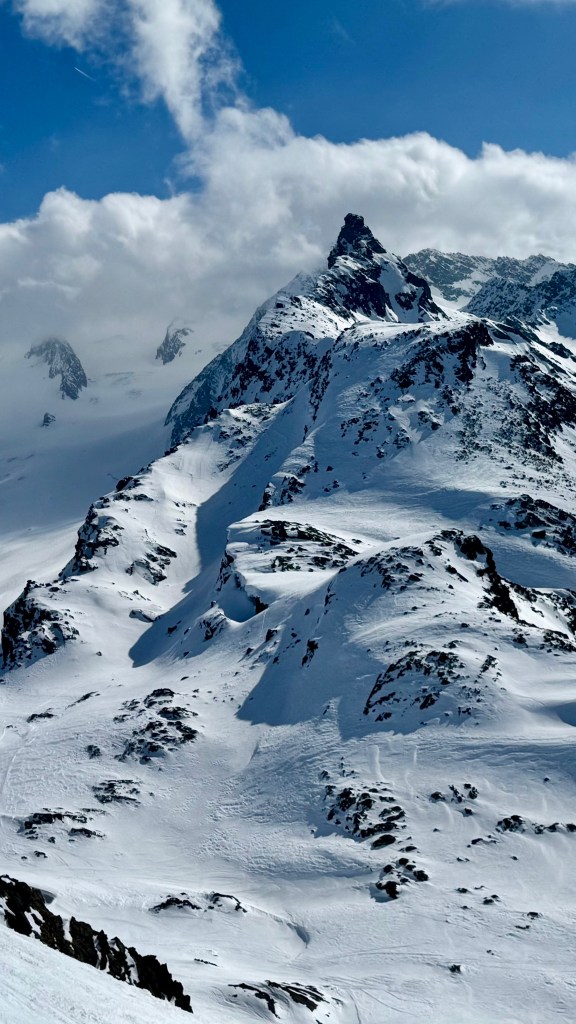
Dramatic scenery of the Three Valleys 
The historic town of Chamonix 
A view of Mont Blanc, the highest mountain in Europe Why More Americans Are Skiing Europe
A decade ago, skiing Europe could feel complicated. Lift systems were unfamiliar, transfers seemed daunting and many skiers assumed it would be expensive.
That perception has changed dramatically.
Today, skiing in Europe is often:
- good value
- easier to organise than people expect
- more varied culturally and geographically
- ideal for longer ski vacations
And the biggest shift of all is access.
With major US season passes now partnering with European resorts, many skiers can avoid paying daily lift ticket prices altogether.
What Makes Skiing Europe Different?
European skiing is not simply “the same thing somewhere else.” The entire experience feels different from North America.
In the Alps, skiing is woven into village life. Resorts are often mountain towns with tradition and history. You can also find purpose-built resorts designed to give you easy access to the ski area, and the scale of the ski areas can be enormous.
Instead of skiing one mountain, you may ski across several valleys and multiple villages in a single day.
Lunch is also a bigger part of the culture. Mountain restaurants are often destinations in themselves, with long terrace lunches, regional food and spectacular scenery all part of the experience.
Whether you’re skiing France, Austria, Switzerland, Italy or Andorra, the experience and atmosphere is different. No two Alpine countries feel quite the same.
Using the Epic Pass in Europe
The Epic Pass has steadily expanded its European offering and now includes access to some of the Alps’ best-known destinations.
Depending on the pass level and season, access may include resorts such as:
- Verbier, Switzerland
- Andermatt-Sedrun-Disentis, Switzerland
- Ski Arlberg (St Anton, Lech and Zürs), Austria
- Skirama Dolomiti, Italy – which includes Madonna di Campiglio
- The Three Valleys in France, which includes Meribel, Courchevel and Val Thorens
Ski Arlberg is one of Europe’s great ski areas, combining huge terrain with famous Austrian après-ski.
Verbier appeals strongly to advanced skiers and off-piste enthusiasts, while the Dolomites offer a very different experience altogether — scenic cruising, exceptional food and beautiful mountain landscapes.
The Three Valleys in France is billed as the largest ski area on the planet. It certainly will not disappoint with a massive varied terrain to suit all kinds of skier and snowboarder and fun apres-ski – check out La Folie Douce – a chain of French mountain restaurants and bars, where the party atmosphere is legendary!
Using the Ikon Pass in Europe
The Ikon Pass has become especially attractive for Americans looking at a first European ski vacation.
Its partner resorts include some of the most recognisable names in world skiing:
- Zermatt, Switzerland, home to the Matterhorn. The ski area straddles Switzerland and Italy – although check your pass details to see if both sides are covered. If not you can buy an extension for a day.
- Chamonix, France, the original mountain town sitting at the foot of Mont Blanc, the highest mountain in Europe.
- Kitzbühel, Austria – home to the annual Hahnenkamm Races. The most legendary and feared event during this weekend is the downhill race held on the Streif slope, which is widely considered the most demanding and dangerous alpine ski course in the world.
- Dolomiti Superski, Italy
- Grandvalira, Andorra – Andorra is it’s own principality, sitting in the Pyrenees between France and Spain.
Zermatt is one of the most iconic ski destinations anywhere in the world, with skiing beneath the Matterhorn and access into Italy.
Chamonix offers steep terrain and serious mountain history, while Kitzbühel combines traditional Austrian charm with an excellent ski area and lively atmosphere.
Using the Indy Pass in Europe
The Indy Pass takes a different approach. Indy is built around independent mountains.
For skiers who have already done the major destination resorts and want something more personal, the Indy Pass can open up some genuinely interesting European experiences.
Included on the Indy Pass is the massive Portes du Soleil area, which covers resorts in France and Switzerland. It’s easily reached from Geneva. There’s a big variety of places to stay such as pretty villages like Les Gets, lively Morzine or purpose-built Avoriaz, completely car-free with convenient ski-in, ski-out access.
Important Things to Know Before Booking
Not All Access Is Unlimited
One of the biggest misunderstandings about using US ski passes in Europe is assuming every resort offers unrestricted skiing.
That’s rarely the case.
Many partner resorts offer:
- a set number of included days
- consecutive-day restrictions
- reservation requirements
- blackout periods
Before booking flights or accommodation, always check the latest details directly through your pass provider.
These partnerships can change season to season.
Accommodation Books Earlier Than Many Americans Expect at Certain Times
One major difference between North America and Europe is accommodation patterns.
Many European ski properties are independently owned chalets and apartments rather than large resort hotels. The best options often book very early — especially for:
- Christmas
- New Year
- February school holidays – most of Europe will have school holidays during February. Often these overlap – for France/UK for example the big week will be the week starting around 13/14th Feb. France/Holland overlaps too, usually around the 3rd week of Feb. If you can avoid the middle two weeks of February, we’d advise you to do so.
If you want:
- catered chalets
- large group properties
- central village locations
…it pays to book early.
Airport Choice Matters
Unlike many US resorts, Alpine resorts are heavily dependent on transfer airports.
Your skiing experience can change dramatically depending on your arrival airport and transfer time.
Common gateways include:
- Geneva
- Zurich
- Munich
- Innsbruck
- Milan
Some resorts are within 90 minutes of the airport. Others may require four or five hours of onward travel.
When comparing resorts, transfer logistics matter more than many first-time visitors realise.
Tips for First-Time Skiers Visiting Europe
Stay Longer Than You Normally Would
A European ski trip works best when you slow down and give yourself time.
Seven to ten nights is often ideal.
Don’t Focus Only on Vertical Feet
Many North Americans arrive in Europe expecting to ski hard from first lift to last.
You can absolutely do that — but the Alpine experience is broader than that.
The villages, restaurants, scenery and culture are a huge part of why people return.
Finding Accommodation in European Epic, Ikon & Indy Resorts
Choosing the right accommodation matters just as much as choosing the right resort.
For American visitors in particular, it’s worth considering:
- proximity to lifts
- village walkability
- transfer convenience
- catered vs self-catered stays
- group layouts
- flexible arrival dates
European chalets and apartments vary hugely in style and location, so researching properly can make a big difference to the overall trip.
How Chalets Direct Can Help You Plan Your European Ski Vacation
On ChaletsDirect.com you’ll find a huge choice of accommodation in the top European resorts covered by your Epic, Ikon or Indy pass.
We’re a direct booking platform (operating since 1999!), so when you want to book, you do so directly with the chalet owner or accommodation operator. They are the experts in their field. Many of them have lived in the resorts for many years and will be able to answer all your questions. They will be able to advise you on the ski area, the best places to visit, the mountain restaurants, the best apres-ski, ski schools, equipment hire and much, much more.
Final Thoughts
Using your Epic Pass, Ikon Pass or Indy Pass in Europe opens up access to some of the best skiing anywhere in the world.
But the real attraction is not just the lift access.
It’s the chance to experience skiing differently:
- bigger landscapes
- older mountain culture
- unforgettable villages
- varied countries
- and a style of ski vacation that feels very different from North America
For many skiers, the first European trip becomes the trip everything else gets compared against.
- Summer Holidays in the Alps: A Different Kind of Mountain Escape

Think of the Alps as snow-covered peaks, ski lifts, and cosy winter chalets? Summer holidays in the Alps offer something completely different—and for many, something even better. The feel is different, more relaxed, but there’s an enormous choice of activities and options to keep the whole family entertained.
A Different Kind of Mountain Escape
Summer swaps ski runs for green pastures, frozen landscapes for warm sunshine, and busy resorts for a more relaxed pace. Destinations like Morzine and Chamonix come alive in summer, with open lifts, walking trails and a vibrant but easy-going atmosphere.
At the heart of it all is the scenery. Peaks like Mont Blanc dominate the skyline, while valleys open into wildflower meadows and quiet villages. It’s the kind of place that encourages you to slow down—without ever feeling bored.

Spectacular Lake Montriond near Morzine Lakes: The Alps’ Summer Advantage
One of the biggest surprises for first-time visitors is just how many lakes are within easy reach. Lake Annecy is often described as one of Europe’s cleanest lakes, with clear, warm water ideal for swimming, paddleboarding and kayaking.
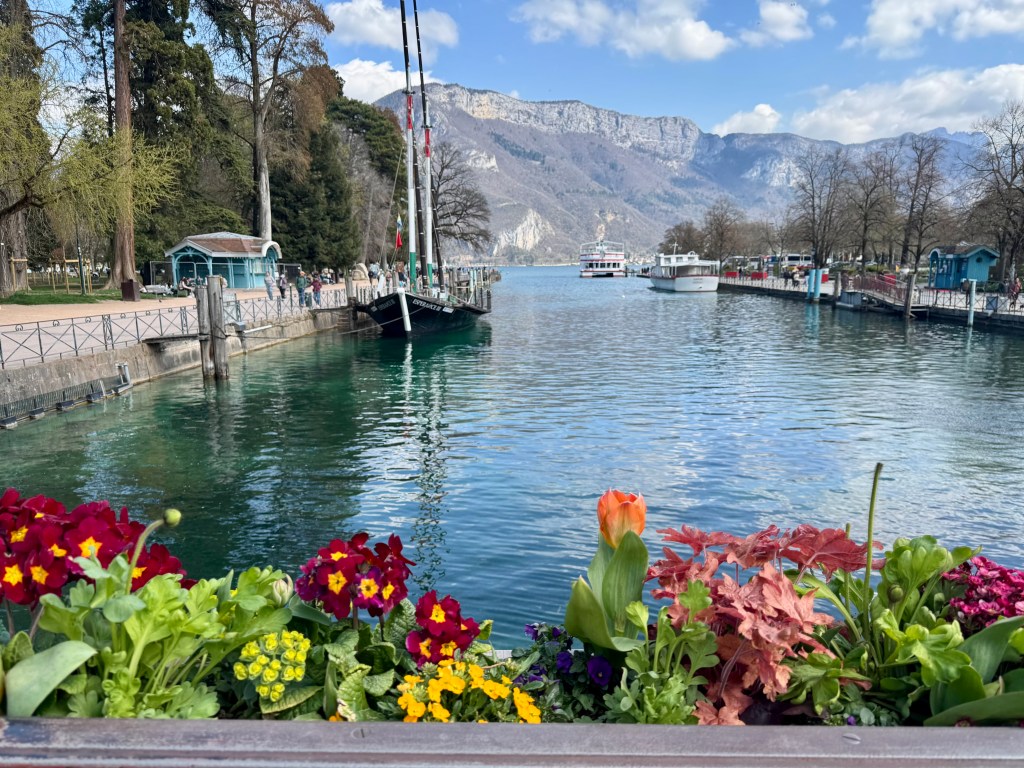
Lake Annecy and the town of Annecy – known as the Venice of the Alps The real advantage of summer holidays in the Alps is variety. Within an hour or two, you can experience completely different settings—from lively lakeside spots to quieter, more secluded corners.
Outdoor Activities Without the Pressure
You don’t have to be an adrenaline junkie to enjoy the Alps in summer—but if you are, you’ll have plenty of options. Hiking, biking on the alpine roads or mountain trails, rafting and paragliding are all on offer.
What makes it different from other destinations is the flexibility. One day you can explore mountain trails; the next, relax by the lake or enjoy a long lunch with a view. Summer holidays in the Alps are as active—or as relaxed—as you want them to be.
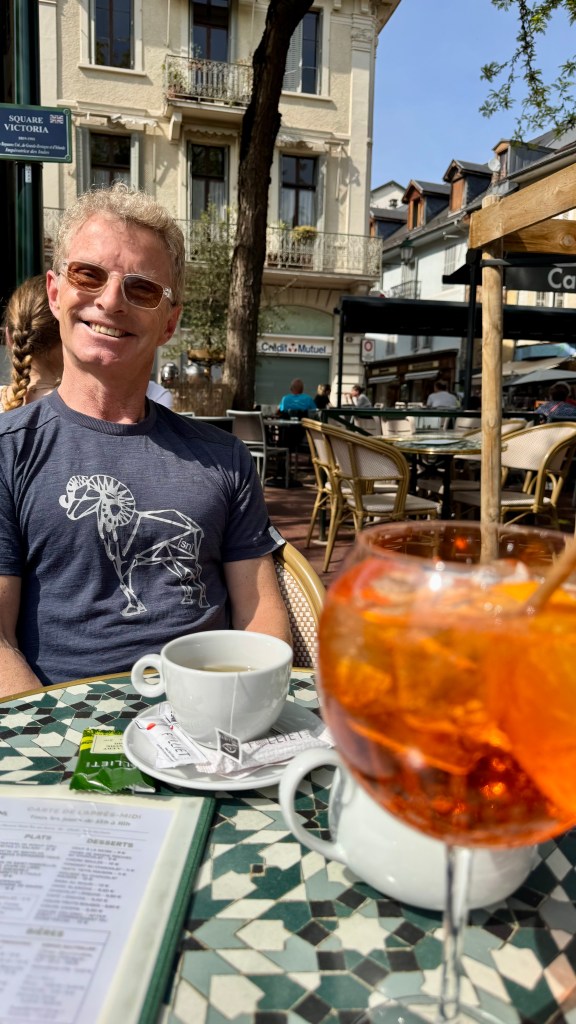
Enjoy the relaxed cafe culture – summer in the Alps Ideal for Families, Couples and Groups
Summer in the Alps works for almost everyone:
- Families appreciate the safe environment and range of activities
- Couples enjoy the scenery and slower pace
- Groups benefit from space, shared experiences and large chalet options
And with fewer crowds than winter, it’s easier to find your own space.
Better Value, Same Scenery
Another reason to consider summer holidays in the Alps is value. Prices are often significantly lower than during peak ski season, but the scenery and overall experience are just as impressive—arguably more so.
A Holiday That Leaves You Recharged
If you’re used to coming back from a holiday feeling like you need another one, the Alps offer something different. The combination of fresh air, activity and space tends to leave people genuinely recharged.
It’s not just a break—it’s a reset.
If you’ve only ever thought of the Alps as a winter destination, summer is well worth discovering. And once you’ve experienced it, you may not go back to peak-season crowds again.
Check out our summer holiday offers!
- Find Your Ideal Ski Holiday with our Smart Search Alternative – The Solutions Room


Chalet Rivendell – Chamonix – perfect group or family ski holidays Planning a ski holiday in the Alps can be time-consuming.
We’ve all been there. If you’re the one organising a group ski trip, it quickly becomes a juggling act—finding a chalet for a large group, catering for toddlers, mixed abilities, dietary requirements… and ideally somewhere with a hot tub.
That’s where the Chalets Direct Solutions Room comes in. The Solutions Room helps you find ski accommodation in the Alps – you put out what you’re looking for and let the options come to you.
Think of it as a matchmaking service for ski holidays—designed to save you time.

Find fantastic options for your family ski holiday – and make them smile! What is the Chalets Direct Solutions Room for Ski Accommodation?
The Solutions Room is a smart way to find ski accommodation in the Alps.
If you know what you’re looking for, browsing and shortlisting works well. If you’d prefer the options to come to you, try the Solutions Room. Instead of searching through multiple listings, you submit one enquiry describing your trip—and relevant chalet owners, hotels and apartment providers come back with tailored options.
You might have:
- Dates but no resort
- A group size but no clear accommodation
- Or just a rough idea—and too many options to compare
The Solutions Room simplifies all of that.
Think of it as a reverse search engine. Instead of you hunting for the property, the property finds you. You post a “Request” saying what you’re looking for, and it’s broadcast to our network of expert independent chalet owners and tour operators. If they have a “Solution” that fits, they’ll reach out to you directly.
And don’t worry if you haven’t nailed down your exact requirements, you can still put out your wishlist and see what comes back.
Why Use the Solutions Room to Find Ski Accommodation?
Most people searching for ski accommodation end up:
- Browsing websites
- Filtering the same listings
- Sending multiple enquiries
The Solutions Room flips that process. You describe your trip. The right properties find you.
What makes it different?
No wasted enquiries
You only hear from properties that actually have availability for your dates.Ideal for complex requests
Large groups, unusual requirements, or mixed needs are much easier to explain once than repeat multiple times.Access to off-market availability
Operators often use the Solutions Room to fill cancellations or gaps that aren’t widely advertised.Not just for winter
It also works for summer alpine stays and longer-term rentals.Who is the Solutions Room best for?
It works particularly well if you are:
- Planning a group ski holiday
- Booking a family ski trip with specific needs
- Looking for late availability ski accommodation
- Flexible on resort and open to suggestions
- Short on time and want relevant options quickly
How the Solutions Room Works

The Chalets Direct Solutions Room— use the wizard to describe your ski trip and receive tailored chalet options. 1. Tell us about your ski trip
Enter key details such as:
- Preferred resorts or areas (optional)
- Travel dates (or a flexible range)
- Group size
- Accommodation type (catered, self-catered, sole occupancy, shared – or say you don’t mind)
- Specific needs (ski-in/ski-out, near lifts, family-friendly, etc.). Here you can include the details that really matter to you – ski schools. childcare, dietary requirements, equipment hire and more.
👉 The more detail you include, the more relevant your responses will be—but you can also keep things flexible.
2. Get matched with relevant ski accommodation
Your enquiry is sent directly to suitable chalet owners and property managers—not the entire network, only those who can match your criteria.
3. Receive personalised responses
You’ll receive tailored replies from experts with availability, pricing and local insight—making it easy to compare options and move quickly.
No more searching—let the right properties come to you
How to Get the Best Results
Be clear on your must-haves
For example: “outdoor hot tub” or “catered chalet”.Stay flexible where you can
Being open on resort or dates can dramatically increase your options.Include a budget guide
This helps providers send options that actually match your expectations.Respond quickly
Good properties—especially in peak weeks—don’t stay available for long.The Bottom Line
The Chalets Direct Solutions Room is one of the most efficient ways to find ski chalets and ski accommodation in the Alps—especially when your trip isn’t straightforward.
Instead of spending hours searching, you can describe what you want and let the right options come to you.
Ready to Find Your Ski Holiday?
Fast, free and no obligation
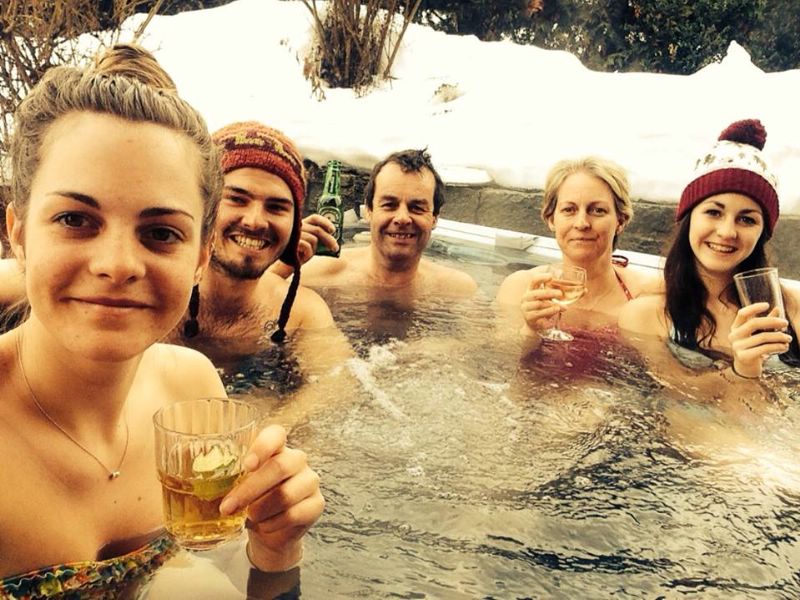
Cheers! Your group ski holiday is sorted! This is Chalet Charmille in Meribel FAQ
What is the Chalets Direct Solutions Room?The Solutions Room lets you describe your ski trip once and receive tailored responses from chalet owners, hotels and apartment providers across the Alps.
How do I find a ski chalet for a large group quickly?Submit a request and receive availability from multiple suitable properties, saving you contacting each one individually.
What’s the fastest way to find late availability ski accommodation?Submit your dates and receive quick responses from property owners with current availability.
Can it help me find ski accommodation in school holiday periods?Absolutely! If you don’t know where to start, or if you’ve left it a bit later than you’d have liked, the Solutions Room can be the ideal place to find options for those peak times.
Can I use the Solutions Room if I don’t know which ski resort to choose?Yes. You can leave the resort open and receive suggestions based on your other requirements.
Can I find family-friendly ski accommodation with childcare?Yes. Include details like childcare, ski schools and proximity to lifts to receive suitable options.
Will I get too many responses?No. Only relevant property owners respond based on your request.
Do I book through Chalets Direct?No. You deal directly with the property owner or manager – they’re the people who know the property best!
Is the Solutions Room free to use?Yes, it’s completely free with no obligation to book.
- How to Store Skis and Snowboards for Summer (Complete Guide 2026)

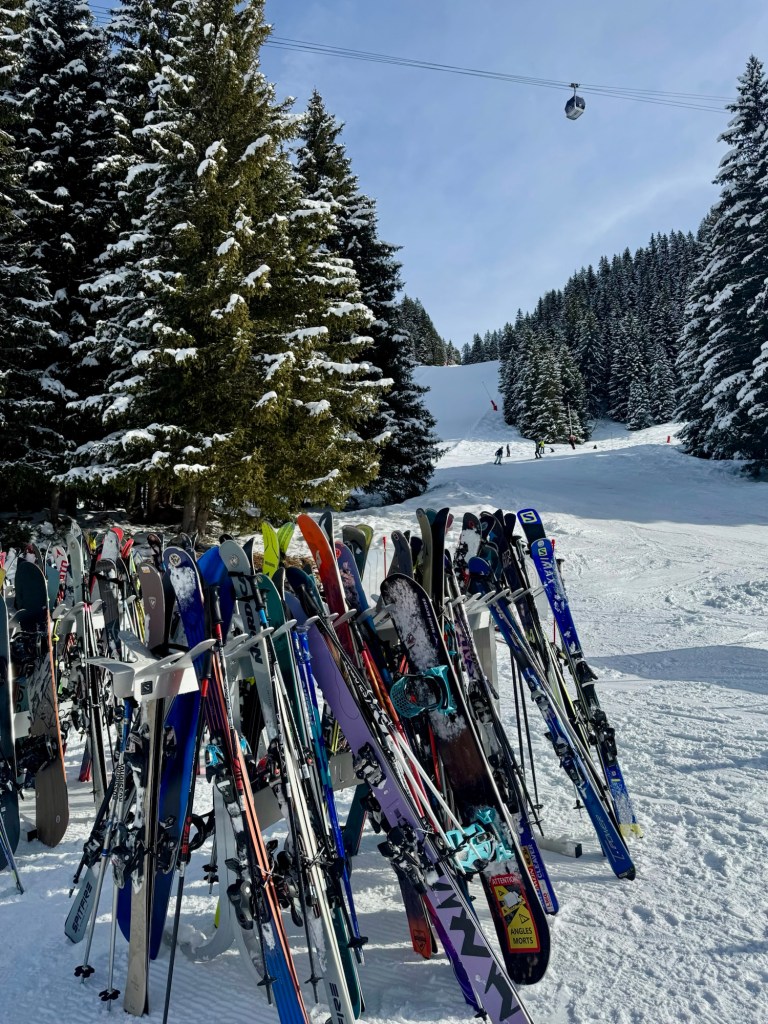
At the end of the ski season, it’s easy to throw your skis or snowboard in the garage and forget about them. But poor storage can lead to rusted edges, dried-out bases, and reduced performance next winter.
Follow these simple steps to store your skis and snowboard properly—and keep them in top condition for next season.
1. Clean Your Skis or Snowboard
Before storing your gear:
- Wipe down the base and topsheet
- Remove dirt, salt, and debris
- Dry thoroughly to prevent rust
This is essential for long-term ski and snowboard maintenance.
Top tip: Don’t leave wet skis or board zipped up in their bag overnight.
2. Repair Base and Edge Damage
Check for:
- Deep scratches or gouges
- Edge damage or rust spots
Fixing issues now prevents further damage while your gear is in storage.
3. Apply Storage Wax (Don’t Scrape It Off)
One of the most important steps in ski storage:
- Apply a thick layer of wax to the base
- Leave it un-scraped over summer
Storage wax protects the base from drying out and prevents edge corrosion.
Store in a Cool, Dry Place
The best place to store skis or a snowboard is:
- Indoors
- Dry and well-ventilated
- Away from heat and humidity
Avoid garages, damp basements, or attics with temperature extremes.
Store Skis and Snowboards Correctly
Store vertically or flat. Avoid pressure or tight clamping. Keep them stable to prevent warping.
Make sure:
- They’re not resting heavily on tips or tails
- They’re not wedged under constant pressure
Light support is fine — stress isn’t.
Don’t Forget Ski Boots
Proper ski boot storage matters too:
- Store in a cool, dry space
- Dry liners completely
- Buckle boots loosely
Store Touring Skins Properly (If Applicable)
For touring gear:
- Use skin savers to protect glue
- Dry skins fully
- Store in a cool environment
Prepare for Next Season
When winter returns:
- Scrape off storage wax
- Check bindings and edges
- Consider a professional tune
Conclusion: Protect Your Gear, Save Money
Taking time to store your skis and snowboard properly will extend their lifespan, maintain performance, and save money on repairs.
A simple routine now means your gear is ready to go when the next ski season starts.
Planning ahead for next winter in the Alps?
Taking care of your gear now means one less thing to worry about when it’s time to hit the slopes again. Got questions about storing your skis or snowboard? Here are the most common ones answered.
Q. Should I wax my skis before storing them?
A: Yes—always apply a layer of storage wax before putting skis away for summer. Leave the wax un-scraped to protect the base from drying out and the edges from rusting.
Q. Can I store skis in the garage?
A: You can, but it’s not ideal. Garages often have temperature swings and moisture, which can damage edges and bases. A cool, dry indoor space is much better for long-term ski storage.
Q. Is it OK to store skis vertically?
A: Yes. Skis can be stored vertically or flat, as long as they’re stable and not under pressure. Avoid awkward angles or tight clamping that could cause stress over time.
Q. Do snowboards need storage wax too?
A: Absolutely. Snowboards benefit from storage wax in the same way as skis. Apply a thick coat and leave it on until the next season.
Q. How do I stop ski edges from rusting?
A: Dry your skis thoroughly after cleaning and apply storage wax over the edges. Keeping them in a dry environment is just as important as waxing.
Q. Can I leave my skis unwaxed over summer?
A. You can—but it’s a mistake. Unwaxed skis are more likely to dry out and oxidise, which affects performance and can shorten their lifespan.
Q. Do I need to get my skis serviced before storing them?
A: If there’s damage (deep scratches or edge issues), yes—repair it before storage. Otherwise, a full service can wait until the start of next season.
Q. How long can skis or snowboards be stored safely?
A: Indefinitely—if stored correctly. With proper cleaning, waxing, and dry conditions, your gear will be in excellent shape even after many months.
{
“@context”: “https://schema.org”,
“@type”: “FAQPage”,
“mainEntity”: [
{
“@type”: “Question”,
“name”: “Should I wax my skis before storing them?”,
“acceptedAnswer”: {
“@type”: “Answer”,
“text”: “Yes. Apply a layer of storage wax and leave it un-scraped to protect the base and edges during summer.”
}
},
{
“@type”: “Question”,
“name”: “Can I store skis in the garage?”,
“acceptedAnswer”: {
“@type”: “Answer”,
“text”: “You can, but it is not ideal. Garages often have moisture and temperature changes that can damage skis. A cool, dry indoor space is better.”
}
},
{
“@type”: “Question”,
“name”: “Is it OK to store skis vertically?”,
“acceptedAnswer”: {
“@type”: “Answer”,
“text”: “Yes. Skis can be stored vertically or flat as long as they are stable and not under pressure.”
}
},
{
“@type”: “Question”,
“name”: “Should I loosen ski bindings for storage?”,
“acceptedAnswer”: {
“@type”: “Answer”,
“text”: “Yes. Lower the DIN setting slightly to reduce tension on the springs and help preserve performance.”
}
},
{
“@type”: “Question”,
“name”: “Do snowboards need storage wax?”,
“acceptedAnswer”: {
“@type”: “Answer”,
“text”: “Yes. Apply a thick coat of wax and leave it on over summer to protect the base and edges.”
}
},
{
“@type”: “Question”,
“name”: “How do I stop ski edges from rusting?”,
“acceptedAnswer”: {
“@type”: “Answer”,
“text”: “Dry your skis thoroughly and apply storage wax over the edges. Store them in a dry place.”
}
},
{
“@type”: “Question”,
“name”: “What is the best way to store ski boots?”,
“acceptedAnswer”: {
“@type”: “Answer”,
“text”: “Dry them fully, fasten the buckles loosely, and store them in a cool, dry place to maintain their shape.”
}
},
{
“@type”: “Question”,
“name”: “Can I leave my skis unwaxed over summer?”,
“acceptedAnswer”: {
“@type”: “Answer”,
“text”: “You can, but it is not recommended. Unwaxed skis are more likely to dry out and lose performance.”
}
},
{
“@type”: “Question”,
“name”: “Do I need to service skis before storing them?”,
“acceptedAnswer”: {
“@type”: “Answer”,
“text”: “Repair any significant damage before storage. A full service can be done at the start of next season.”
}
},
{
“@type”: “Question”,
“name”: “How long can skis or snowboards be stored safely?”,
“acceptedAnswer”: {
“@type”: “Answer”,
“text”: “Indefinitely, as long as they are cleaned, waxed, and stored in a cool, dry environment.”
}
}
]
}
Looking ahead to next season? Browse chalets and apartments across the Alps and start planning your next ski holiday early. Your future self will thank you.
- Easter Ski Holidays in the Alps: Why Easter Skiing is Fantastic This Year

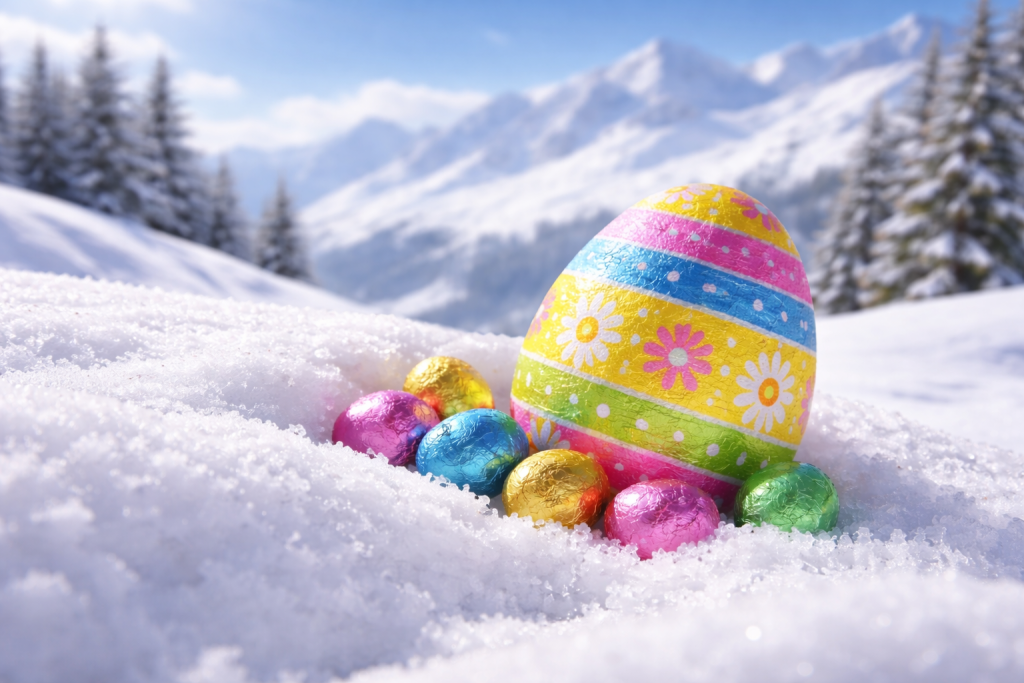
If you’re thinking about Easter ski holidays in the Alps, this year is shaping up to be a fantastic time to hit the slopes. You may be wondering what the conditions will be like in the mountains. The good news is that Easter skiing in the Alps can be one of the best times of the entire ski season.
With longer days, sunny mountain terraces, and excellent snow coverage at higher altitude resorts, Easter offers a fantastic combination of great skiing and relaxed spring atmosphere.
Here’s why Easter ski holidays in 2026 are looking particularly appealing.
1. Very Heavy Snow in February
With extreme snowfall in late Jan and much of Feb across many resorts in the Alps, base depths are healthy heading into the spring period. This is important because late-season skiing depends less on fresh snowfall and more on the depth and quality of the base.
With a solid base already in place, resorts, particularly those with terrain above 2000m, can maintain excellent conditions well into April. Groomed pistes stay in great shape, and north-facing slopes can hold winter snow surprisingly well.
2. Longer Days and More Time on the Slopes
One of the biggest advantages of Easter skiing is the longer daylight hours.
By April, the sun rises earlier and sets later, meaning you can enjoy:
- Relaxed mornings on the slopes
- Longer ski days without rushing
- Sunny lunches on mountain terraces
- Late afternoon skiing with incredible views
It’s a very different experience from mid-winter skiing, with a more relaxed and social feel across the mountains.
3. Classic Spring Skiing Conditions
Spring skiing often follows a predictable daily pattern that many skiers love:
Morning: Firm, freshly groomed pistes
Late morning: Perfect grippy snow conditions
Afternoon: Softer “corn snow” that’s forgiving and fun to skiFor intermediate skiers especially, these conditions can be ideal for building confidence and enjoying longer runs.
4. A Fantastic Atmosphere in the Resorts
Because Easter falls during school holidays in many European countries, ski resorts often have a lively and festive atmosphere.
Many resorts organise special Easter activities including:
- Easter egg hunts on the slopes
- Family ski races
- Live music and spring events
- Festive mountain lunches and après-ski
This makes Easter a particularly great time for family ski holidays.
Enjoy the Best of Spring in the Mountains
Spring skiing brings a special kind of magic to the Alps. Imagine skiing in bright sunshine, stopping for lunch on a panoramic terrace, and finishing the day with an après-ski drink in the warm mountain air.
It’s the perfect blend of great skiing and relaxed alpine lifestyle.
With a huge range of chalets, catered chalets and ski apartments available through Chalets Direct, Easter is an excellent opportunity to enjoy a memorable ski holiday in the Alps. You can also browse through our Easter Ski Offers – grab a great Easter bargain today!
Easter Ski Holiday FAQ:
Is Easter a good time for skiing in the Alps?Yes. High altitude resorts often have excellent snow conditions at Easter thanks to deep winter bases and well-groomed pistes.
Where is best for Easter skiing?Higher-altitude resorts in France, Switzerland and Austria tend to offer the most reliable Easter skiing conditions. Look for a lot of terrain above 1800m. Areas with north-facing slopes also tend to hold snow well into late season.
What are snow conditions like when skiing at Easter?Easter skiing usually follows a typical spring pattern. Mornings often have firm, freshly groomed pistes, while the snow softens later in the day to create enjoyable and forgiving skiing conditions.
Is Easter skiing good for beginners?Yes. The softer snow that develops later in the day can be ideal for beginners and intermediate skiers, making the slopes more forgiving and comfortable to ski.
Are Easter ski holidays good for families?Easter is a popular time for family ski holidays because it coincides with school holidays across much of Europe. Many resorts organise Easter-themed activities, family events and entertainment during this period.
Is Easter skiing cheaper than peak season?Easter can sometimes offer good value compared with peak February half-term weeks, although popular family chalets may still book quickly. Late-season deals can occasionally be found, especially in April.
What else can we do on an Easter ski holiday in the Alps?Whilst the higher altitudes may be better for snow conditions in springtime, don’t discount the lower alpine villages for a fabulous range of non-ski and apres-ski events. In Chamonix or Morzine for example, whilst the ski areas are 2000m and higher, at village level you can enjoy a super spring ambiance – sunshine, clear roads and paths for walking, running, cycling and generally exploring. The warmer air can bring longer flights for paragliding. Outdoor swimming pools will be magical with spectacular mountain scenery.
- Top Tips for Putting on Snow Chains (and taking them off)


On mountain roads in France look out for the “aires de chainage” If you’re driving out or heading back home this weekend, you might need to put on your snow chains. This could be necessary just to get out of the car park.
Here’s some top tips to help.
Before you even set off on holiday:
- Practice once on dry ground. This is the single biggest confidence booster.
- Check compatibility: correct chain size for your tyre and that your car allows chains (some need low-profile chains).
- Know which wheels need chains:
- Front-wheel drive → front wheels
- Rear-wheel drive → rear wheels
- AWD/4×4 → usually front, but check your handbook
When you need to put them on:
- Stop early – don’t wait until you’re stuck or on a steep bend.
- Find a safe, flat spot well off the road if possible. In France, look out for the “aires de chainage.” These are specific areas where you can pull off the road. They are flat and give you space to put on chains.
- Put on hazard lights and wear a high-vis vest if you have one.
- Use gloves and a kneeling mat/bin liner – cold, wet snow is miserable on bare hands.
Fitting tips that actually help:
- Lay the chain out fully first and check it isn’t twisted.
- Do one wheel at a time, following the same routine for both.
- Drive forward half a wheel turn if required, then finish tightening.
- Tighten properly – loose chains slap the car and can cause damage.
After fitting:
- Drive 20–50 metres, stop, and re-check tension.
- Keep speed low (usually max 30–50 km/h).
- Avoid bare tarmac as much as possible – it destroys chains fast.
When to take them off
- Remove as soon as roads are clear – don’t “just keep them on a bit longer”.
- Shake off snow, dry them when you can, and repack neatly for next time.
Extra smart prep – have these available for your journey:
- Torch or headlamp
- Old coat or waterproof trousers
- Small towel
- A plastic bag for wet chains after removal
For more tips on driving to the Alps – see our post on driving in snow.
We’ve got amazing snow depths across the Alps – so spring and Easter skiing is going to be excellent this year. If you’re tempted try the Solutions Room to find exactly what you’re looking for!
- Top Tips for Skiing in School Holidays

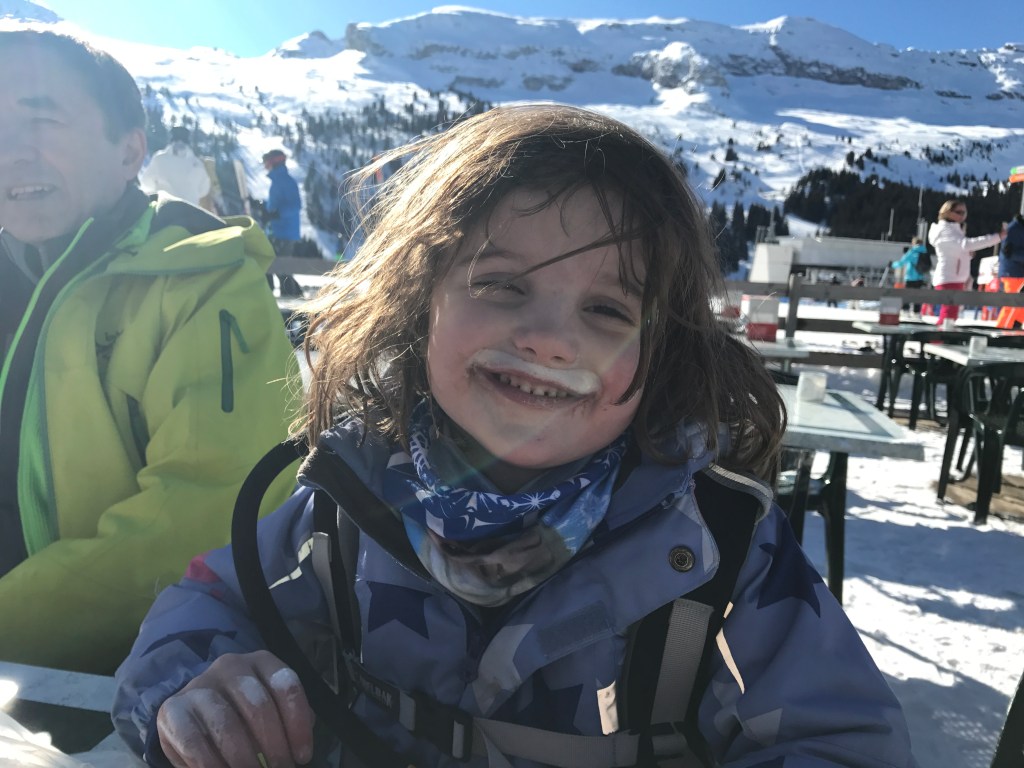
Who doesn’t love a hot chocolate moustache? (How to Ski Smarter, Not Harder)
Skiing during school holidays can be fantastic – great snow, lively resorts and a real buzz on the mountain. It’s also wonderful family time. Kids of all ages usually love the chance to slide on snow. The mountain environment, breathtaking views and indulgent hot chocolates make it feel properly out of the ordinary. Here’s some top tips to make it a great week!
1. Book Everything Ahead
It’s peak season, and many families are tied to exactly the same dates.
For the busiest weeks, we strongly recommend planning everything in advance: equipment hire, lift passes and ski lessons. Leave it too late and your choices will be limited. You’ll also know exactly what to to do and where to go when you get to resort. Check on opening/closing times for ski shops, ski school meeting time and place well in advance so you can make a plan for the first day.
2. Start Early, Ski Smart, Finish Earlier
If you’re not tied to ski school times, a simple change in routine can dramatically improve your experience:
- Be on the first lift of the day
- Ski hard in the morning when pistes are quiet and freshly groomed
- Take a break when lift queues peak
- Finish a little earlier and enjoy the resort facilities
- Early starts are especially rewarding during school holidays and often deliver the best snow conditions too.
If you are tied to ski school times, starting early still pays off – and being with an instructor usually gives you lift-line priority.
3. Be Strategic About LunchLunch can easily become one of the most stressful parts of a school holiday ski day if you’re unprepared.
To avoid queues in packed restaurants:
- Eat early (before 12pm) or late (after 2pm)
- Book mountain restaurants in advance where possible
- Consider picnics or self-catering on the busiest days
If you’re staying close to the slopes, heading back to your chalet or apartment for lunch can be a real game-changer.
Many resorts also have dedicated picnic areas – and if the weather is good, a mountain picnic can be a memorable part of the day.
4. Don’t Forget the SnacksIf you have children in ski school – especially younger ones – make sure they’re armed with a snack bar (or two) and a little cash.
Instructors often break up lessons by stopping at a mountain restaurant, and they’ll usually let you know this on the first day. A drink and a small snack can make a big difference, especially if you’re planning a later lunch, and will help keep energy levels up.
5. Pace the Week (Especially with Children)School holiday skiing can be intense – particularly for younger skiers.
Rather than skiing flat out every day, consider:
- A half-day midweek
- A rest day with swimming, sledging or ice skating
- Shorter ski days followed by fun après-ski activities
Ironically, slowing the pace often leads to better skiing and happier kids by the end of the week.
8. Prepare for the PracticalitiesSmall preparations make a big difference when resorts are busy.
Useful tips:
- Clearly label skis, poles and helmets if there’s a risk of confusion.
- Agree a simple meeting point if your group gets separated.
- Make sure lift passes are in a dedicated pocket and always zipped up. Most ski jackets will have specific lift pass pockets, usually on the left sleeve.
- Make sure children know what to do if they lose sight of you.
- If children have their own phones, save the local pisteurs or rescue service number – just in case.
- Make sure all the family know the FIS rules of skiing and snowboarding, and that they put them into practice.
These little things can significantly reduce stress during peak weeks.
9. Don’t Overlook EasterEaster is often overlooked, but it can be one of the best times to ski.
Why?
- Days are longer and sunnier
- Late March and April can still deliver excellent snowfall
- Conditions are often fantastic and there is a relaxed party vibe in most resorts – think sunny terraces with live music and bbq’s.
- Many European families ski at New Year or in February, making Easter less crowded
Different school holiday calendars across Europe also mean less overlap – and fewer pressure points.
If you’re tempted by an Easter break this year, why not post in the Solutions Room and start exploring your options? Or check out our Easter Promotions
10. Book with ExpertsWhen it comes to accommodation, booking with a genuine resort expert can be invaluable. They’ll understand the busy weeks, know the common pitfalls and be happy to steer you in the right direction.
At Chalets Direct, we’re proud of our members – many of whom have lived in their resort for years, skied the area in all conditions, and made it their business to share their local knowledge and love of the mountains.
It’s never too early to start planning your next school holiday trip – whether that’s Easter, or Christmas, New Year and February 2027.

Top tips for skiing in school holidays
-
Golf in the Mountains

The mountains may not be the automatic first choice for keen golfers but the choice of courses plus the spectacular scenery available should certainly put them on your “to do” list.
Have a look at your favourite ski resorts’ website to see what the summer activities are and you may surprised that probably not too far away from where you were skiing last winter there will be a golf course or two.
A ski resort’s summer programme can vary from adrenaline downhill mountain biking, white water rafting, extensive hiking, to more sedate pleasures such as music festivals, events celebrating local farming traditions, but amongst the activities on offer golf will usually be on the list. For a tourist-based economy, attracting visitors year round is important, so a summer clientele can be as important in many ways as a winter one. Getting golfers on board is a good strategy and many courses will offer good value for money.
Mountain golf courses have been designed in the most unlikely of places, on narrow plateaus overlooking the ski area, on ridges, in hollows, in valley areas – anywhere where they can fit 9 or 18 holes. Quite often the local topography will provide natural obstacles and challenges – no need for too many annoying bunkers when you’ve got a cliff face to hit the ball over instead.
The ingenuity of designers can be very much in evidence – and often a mountain course will double up as something else for the winter months.
The beautiful Chamonix course for example, sitting in the valley overlooked by Mont Blanc and the Aiguille du Midi, is part of the cross country ski area in the winter. And the golf course at Les Gets is part of the Portes du Soleil ski circuit – so you will be skiing over it in the winter!
The challenges of maintaining a course when for possibly half the year it may be buried under a few metres of snow require a lot of thought and planning – green keepers will have to think 6 months ahead at least, and will be at the mercy of the elements to a far greater extent than their counterparts elsewhere.
And what does an alpine golf course offer? Well part of it is the spectacular scenery. Reaching the green to find a fabulous panorama below your feet that stretches for miles, plus the effort in getting to that green – it quite literally takes your breath away! Yes often there is a tad more physical effort involved!
There are some well known courses too – one of the most famous is the Evian Masters on the shores of Lake Geneva, with views across to Geneva and Lausanne. Just within an hour or two of Geneva there are several courses available, varying in difficulty but all will provide stunning views and a unique alpine feel about the place. Chamonix, Megeve, Les Gets,Talloires, Flaine, Evian and at Geneva itself to name just a few.
The flowers are the local mountain flowers, gentians, wild pansies, hardy rhododendron bushes, the odd edelweiss or two.
I’ve played on the high altitude course at 1900m in Flaine and even found a resident marmotte basking in the sun near the tee on hole number 6. Losing balls on an alpine course will mean that they are often lost forever – plunging into a gully where there is no way they will be recovered!
So next time you’re looking for a different golf destination maybe take a look at your favourite ski resort first – there may be a golfing gem just waiting for you to discover it.
-
Skiing in the Credit Crunch
Anyone who watches the news, reads the papers or scans the internet will be aware that economic predictions for most European countries are not optimistic.
We will be tightening our belts as the cost of just about everything to do with living rises – petrol, food, energy, mortgages – you name it, it’s on the up. The years of cheap flights, cheap food, cheap loans, are over it would seem, as a set of global circumstances come together to make us rethink and cut back.
Travel could be one of the casualties; the cost of fuel obviously making it more expensive to get anywhere, and the higher of cost of everything else meaning we have less disposable income to spend on getting away from it all.
Ski industry sources predict that people will still be taking their annual ski holidays – but certainly will be watching pennies.
For ski holidays of course, there are some important criteria. Mountains and snow records play an enormous part in the decision making process. Experienced skiers will still look at going to their favourite resorts – but the experience they have when they get there could be different. They still need to buy their lift pass but it is likely that the peripheral spending could be cut back – fewer lunches on the mountain and more packed lunches, one less après ski beer, buying new equipment or clothing may be postponed.
There are certainly ways to have cheaper ski holidays, so here’s some ideas which may help you out:
- Short haul flights, if booked early enough, can still offer good bargains. So if you’re not looking at a last minute holiday getting your flights organised early will save money. It’s also worth investigating train travel if that’s convenient for your resort.
- Transfers – it’s worth investigating what transfer services are available from airports – and again booking in advance. Many transfer operators will offer a semi-scheduled service with cheaper seat prices. Look at ATS for some ideas.
- Driving – clearly a reasonable option when the cost can be split amongst 4 in a car.
- Lift passes – if you’re planning to make several visits to one resort it may be worth checking out the cost of a season pass and seeing what lift pass offers are available on the resort website. Some resorts will give good discounts if passes are booked in advance.
- Booking early – many chalet operators and owners offer early booking discounts – just take a look at the Chalets Direct Promotions for example.
For many people the ski holiday is more important than any other annual break they may take – an essential rather than a luxury. Once they arrive in their resort they have to get the lift pass, they’ll need equipment and of course accommodation – these are the items they can’t cut back on. So for all of us it’s a challenge to find bargains on the things we can cut back on!

Get the Latest and Greatest Holiday Offers!

About Chalets Direct
A Little HistoryRecent Posts
- What Makes Ski Holidays Truly Memorable?
- Why Balance Matters for Skiers and Snowboarders (And How to Improve It Before Your Next Ski Holiday)
- The European Catered Chalet Experience – what is it and why is it special?
- The Complete Guide to Using Your Epic, Ikon or Indy Pass in Europe
- Summer Holidays in the Alps: A Different Kind of Mountain Escape