-
Top Tips from the Ski Gurus – Preparing for your Ski Holiday
It's already the beginning of October. Summer stuff is safely being stored away and anticipation for the winter is building. The first snow has already fallen in the Alps and many high altitude glacier resorts are now opening. Within a few weeks the ski shows will have rolled into the UK's major cities and rolled out again. It's hard not to love this time of year if you're a skier or boarder!
Many of you may be taking your first 2010-2011 ski holiday in a matter of weeks, and many more will be watching weather reports, looking out for availability and planning when to take your ski and snowboard trips.
We thought it would be a good idea to ask our Ski Gurus what kind of wintersports preparation people could be doing right now.
Q: What type of physical preparation should people be doing?
 Roddy Willis, Alpine Mojo:
If you are leading an active life and doing regular exercise (3-4 one hour sessions a week) and you are not planning on heading to the Olympics next winter then you you should be fit enough for your holiday skiing. However if you are expecting to perform like an Olympian on your next ski holiday but have a training regime consisting of ‘two pints of lager and a packet of crisps PLEASE’… then you should look to start your pre ski fitness program 6 – 8 weeks minimum before heading out to the mountains.You could head to your local gym and treat yourself to a personal trainer for a couple of hours, he or she will help you with a personally designed fitness program leading up to your holiday.
 Simon Halliwell, All Mountain Performance:
Running is great as an aerobic exerciser. Cycling is also good. Do some hills with interval training too if you can. Even regular brisk walking is something you can do which costs nothing.If you're not already exercising regularly then improving your aerobic fitness is a start – a session or two with a trainer would help you set realistic goals for yourself and give you something to work towards.
If you can get to the gym it'd be good to work the quads, ham-strings and glutes in particular, and to strengthen up the knee joints too. If you don't know what you're doing though always seek advice from a professional.
Q: What about beginners – do they need to be doing something in particular?
Roddy, AM:
Beginners need no real specific fitness skills – if you have sat in an office chair for the last 51 weeks then it might be a good idea to do some exercise before heading out to the mountains! Maybe start with walking or cycling for 30 minutes everyday for 4-6 weeks before your trip.It is amazing how many people new to skiing turn up at their 1st lesson, having arrived late in the resort the night before and then headed out for a few too many glasses of the finest local brew, a little out of shape, and then expect their bodies to perform! Yes it is very tempting and fun to start the après ski party before the skiing has even started but it is not the best way to start your love affair with skiing! And it will be a love affair!
Simon, AMP:
I often think this is more important to be fit than higher level skiers as you end up straining to get the skis to do what you want them to do.Without some muscle tone before, you could be aching for some time afterwards.
Q: What about balance exercises? Will this be useful for ski preparation? Eg using a fit ball, wobble board, cool board?
Roddy, AM:
Swiss balls to all that you might say!But ultimately skiing and snowboarding are about balancing on a small amount of metal edge whilst travelling at speed over unpredictable terrain.
So all off snow exercise that increases your ability to balance are great and will help your technique on and off the piste!
Q: Does core strength come into the equation?
Simon, AMP:
Very important. A lot of people don't even know this exists. Core strength means that the small "hidden" muscles are also strong, which means they will better be able to support the bigger muscle groups in thighs, calves, buttocks etc. A chain is only as strong as its weakest link, so if there is a big imbalance between muscles the weaker ones will suffer.Pilates and Yoga are good for this! Getting good instruction in Pilates or Yoga means you can practice easily at home. These kinds of activities will also improve flexibility.
Q: What about stretching – post workout stuff? Is this important?
Roddy, AM:
When we exercise we use our muscles – muscles work by contracting (shortening). If you spend the day using muscles you are constantly asking them to get shorter and at the end of the day they will tell you that they are shorter! However without stretching, your muscles will decide to stay short because you asked them to do that didn’t you!So at the end of the day take control of your muscles and stretch them out and let them relax they deserve a rest!
Simon, AMP:
Stretching is super important.I try to warm up again when I get home after skiing in order to do some stretching every night to avoid injuries. Don't stretch muscles cold – they need to be warm, so if you've spent the last 2 hours on apres ski a swift walk back to your chalet could help getting them warm again.
Food for thought! The important thing to remember is that skiing and snowboarding are physical activities performed at altitude. It's going to pose some physical challenges to your body if it's not used to it. You don't have to have tri-athlete fitness, but if your's is a sedentary lifestyle getting out and getting moving will increase your enjoyment and you'll certainly feel better for it!
-
What makes a great….Beginners’ Week
Are you hoping to take the plunge this year and have your first ever wintersports holiday? Take a look at this post from 2008 – great advice then and now ( even though we say so ourselves!)
Your first ever ski or snowboard holiday is an introduction to a sport that will keep you coming back for life. Wintersports holidays are fun, outdoor experiences which you can share with friends and family, you can meet new people, explore fabulous mountain landscapes and enjoy breathtaking scenery.
-
Introducing Chalets Direct’s technical ski gurus for Winter 2010-11
An ounce of steering is worth a ton of rowing someone once said. This is never more true than in the world of wintersports. One tip from a good instructor can save you hours of pain and help you use your body more efficiently and effectively, and so reduce the risk of straining muscles and possible injury.
Used well, the equipment beneath our feet are fabulous tools which can get you to places you never thought you'd see or experience. Sadly, for many of us, our skis and snowboards are cumbersome planks which can lead to humiliation, frustration and a lot of time spent horizontal on the snow.
Well help is at hand. Last winter we were fortunate to have regular blogs from the two directors of All Mountain Performance, a premier Chamonix-based ski training school which specialises in courses for intermediate skiers and above. During the winter they posted regular bulletins to give you tips and tricks – how to tune back in on your first ski of the season, how to ski bumps and basic guidelines for carving turns for example. Mark and Simon will be contributing again this season.
They will be joined this year by Roddy Willis of Alpine Mojo in Verbier. Alpine Mojo is a team of fun and inspirational ski instructors and coaches who want to help you make big changes to your skiing. Roddy has already written a piece for us this summer on the mental aspect of ski instruction.
Read on to find out more on the Chalets Direct Ski Gurus.
Director/ coach for AMP
BASI ISTD level 4 Ski Teacher
Alpine performance coach
Full French equivalence
European speed test holderMark made Chamonix his home in 1996 to become the first British qualified instructor to work for a Chamonix ski school. A few years on he is now one of the few holders of the highly regarded French equivalence and is one of the UK’s leading ski instructors.
He has also competed in International FIS ski racing just for fun! and now likes to compete in freeride comps. He has also trained and helped many ski instructors to pass their exams. Mark founded All Mountain Performance in 2004 to offer skiers a fresh approach to modern ski tuition, specialising in all terrain performance courses. His fun and innovative ski teaching philosophies have earned him a renowned reputation for excellent results.
Director/ coach for AMP
BASI Level 4 ISTD
Alpine Performance Coach 1
European speed test holder (Eurotest)
Full French equivalence
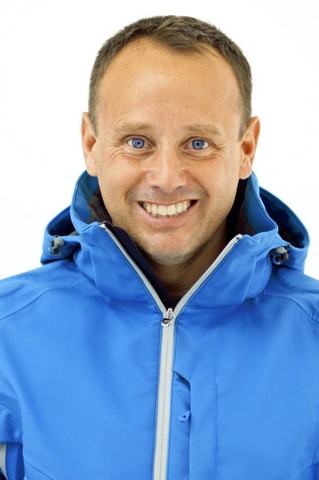
BSc (Hons) Science of Sport and ExerciseSimon’s passion for skiing started at the early age of 3 as a result of ski crazy parents. Since then he has skied all over Europe, with two seasons in Park City, Utah, and moved to the Chamonix Valley in 2002.
He has gained a wealth of experience and the highest possible international qualification. His energy and sense of fun on his skis shines through. Simon is gifted with excellent teaching skills and enjoys seeing client’s enthusiasm build as their skiing develops.
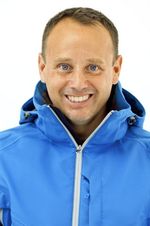 Roddy Willis
Roddy tried an office job in the 80's and quickly realised it wasn't for him.
He decided to head for the Alps in 1988 and has never really looked back, working in a number of different jobs from hotel dish washer to ski school technical director, and managing to do nearly three full ski seasons whilst getting a degree in furniture design.
The common thread running throughout the past 22 years is Roddy's love of the mountains and skiing. Roddy is a born communicator and combines this with his love of skiing and vast experience to help his clients achieve goals beyond their expectations.
We're very excited to have these guys on board. They all share a tremendous skill, knowledge and passion for skiing which comes accross the moment you speak to them.
We hope you enjoy reading their bulletins and hope it inspires you to learn and develop your skills on snow.
-
All Mountain Performance / Tips for skiing bumps

This month's 4 top tips are to help you ski the bumps with better control, painless knees and a feeling that you are in charge, not the bumps!


Rotate your legs and feet to twist your skis on the snow. The effect is like scraping the snow into the bump. This will check your speed and set you up for absorbing the bump.

Absorb the bump by allowing the legs to feel soft enough for your knees to be pushed towards your chest. This will stop you from being pushed off balance by the bump

Push your tips down, This will give you the time needed to push the skis into the next hollow, rotating and scraping the snow with the skis again to check the speed and direction.

Keep your upper body facing down the fall line. This will help you keep to the line and help agile quick movements. One other extra tip is to keep the skis quite flat on the snow ( not too much edge) this will help the pivoting of the skis and enable a more direct descent.

Watch the video
http://www.flickr.com/apps/video/stewart.swf?v=71377,
By Mark Gear and Simon Halliwell from All Mountain Performance in Chamonix. BASI LEVEL 4 ISTD.
-
All Mountain Performance / Basic tips for carving turns
THIS MONTHS SKI TIPS. Carving turns
What is carving ?
Carving is a form of ski turn that is non skiddy, ie using the shape of the skis and only two of the three steering elements (pressure, edging and not using rotation). If correctly applied, the skis will cut through the snow smoothly tracking around an arc.


How to carve and initiate the turn:
Start skiing in a straight line on a suitably flattish piste with your feet at hip width apart. Without turning your feet, tilt both your skis in the direction you wish to turn. At the same time stretch your outside leg to push the ski against the snow. Feel the skis grip and allow time for the skis to start carving.


How to hold the carve: Resist the desire to rotate your legs and feet. let the pressure build up. As the pressure increases in the arc, you can increase the amount of edge tilt to tighten the carve.

How to finish the turn: When you feel the turn is complete, simply release the pressure built up in the turn by softening the outside leg, this will allow the feet to come naturally back underneath the body.


How to transfer to the initiation of the next turn: With a stretch down into the snow of the new outside leg, resist the new temptation to turn your feet and skis, using the tilting motion and stretch of the leg to create more pressure on the outside ski – so repeating the process used in the turn before.
Linking clean carving turns is a great sensation, it's fast but feels stable. We hope you enjoy the tips.
Mark Gear and Simon Halliwell ( BASI level 4 ISTD) All Mountain Performance Chamonix
-
4 top tips from the pro’s for tuning your skiing back in at the start of the season

Its always best to start on an easy piste, greens or blues are sufficient –even pros don’t hit the blacks until dialled back in!

1) Look ahead, just like driving a car, look beyond the bonnet/ski. Try to feel your skis against the snow rather than looking at the tips. Get into the habit of reading the ground ahead of you. It’s better to feel what your skis are doing, encouraging you to work from the ground up for more natural skiing.


2) Be centered Work on centralising the weight down through the middle of the foot. Try to become aware of where the weight is being transmitted onto the sole of the boot. Standing with your weight centered on the skis gets the skis working as they are designed.Being too far back or too far forwards on the skis does not work as well.
3) Go for smooth, linked turns. Try not to have any abrupt movements. This will help to keep you in balance and allow your skiing to flow.


4) Get the outside ski working in the turn to have more pressure than the inside one. Pressing early on the outside ski makes a good start to your turns. Do this by stretching the leg slightly to push down through the sole of the foot.
Simon Halliwell and Mark Gear run All Mountain Performance in Chamonix and are qualified to the highest level,(BASI 4 ISTD)